

Five new heritage entries have been added to India’s UNESCO Tentative List, including four from Madhya Pradesh. With these additions, Madhya Pradesh n…
 1/6
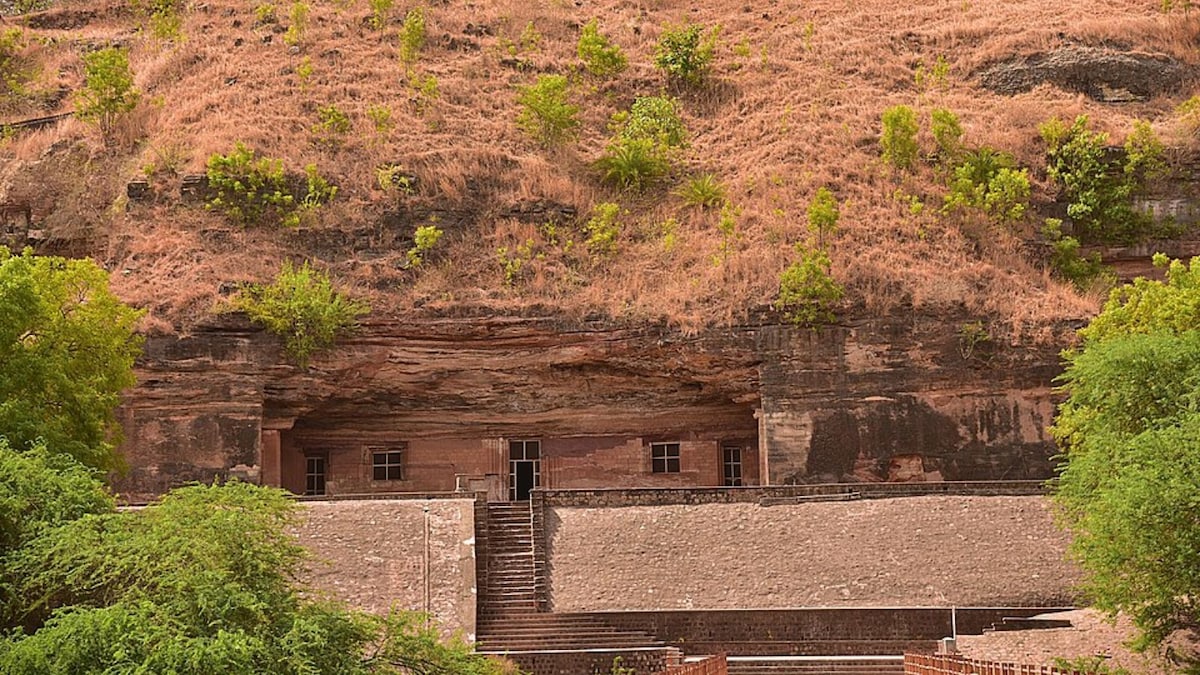
1/61. Bagh Cave paintings, Dhar | The Bagh Caves in Dhar district are a group of nine rock-cut Buddhist caves dating to the 4th–6th centuries CE. The caves are known for their murals, especially those in Cave 4, or Rang Mahal. The paintings depict royal courts, processions, musicians, dancers and scenes of social life. The murals show links with the Ajanta painting tradition while also having their own regional style. UNESCO describes the caves as an important record of Buddhist art and the social and cultural life of central India during the Gupta period. (Image: Wikimedia Commons)
 2/6
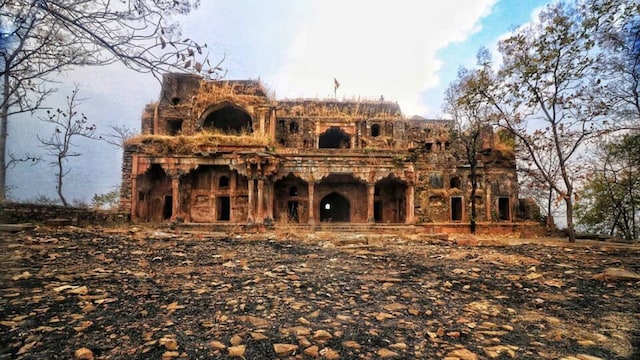
2/62. Ginnorgarh Fort, Sehore | Ginnorgarh Fort is a Gond fortified capital located in the forested Ratapani area of Madhya Pradesh. The fort reflects indigenous traditions of governance, defence, architecture and water management. Its remains include fortifications, palatial structures, stepwells and reservoirs. The site is particularly notable for its water systems, which were integrated into the settlement and helped support life within the hill fort. Its addition to the Tentative List brings greater attention to the architectural and political heritage of the Gond rulers. (Image: Wikimedia Commons)
 3/6
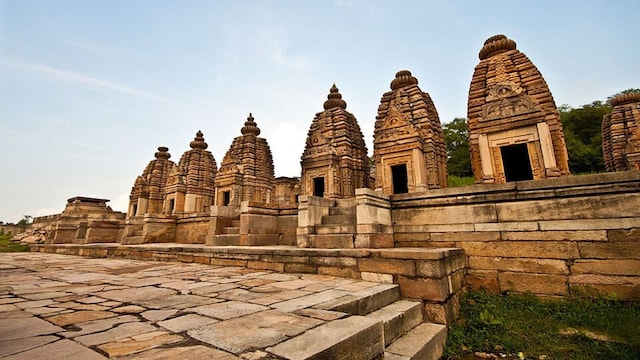
3/63. Temples of the Chambal Valley | The new entry covers the Bateshwar, Padavali and Kakarmath temple groups in Morena. Dating from the 8th to 11th centuries CE, the sites showcase the development of early medieval Nagara-style temple architecture in the Chambal region. Bateshwar is known for its large cluster of temples, while Padavali and Kakarmath add to the picture of the region’s temple-building and sculptural traditions. Together, the sites reflect architectural developments associated with the Gurjara-Pratihara and Kachchhapaghata periods. (Image: Wikimedia Commons)
 4/6
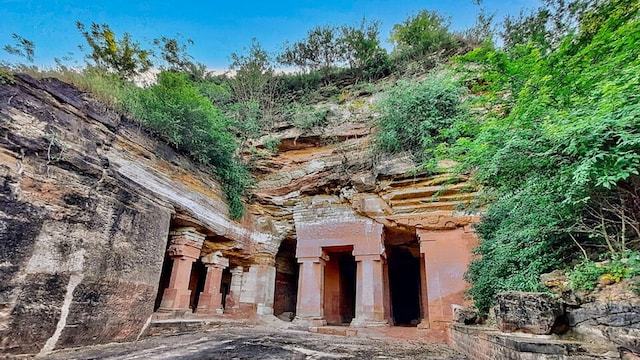
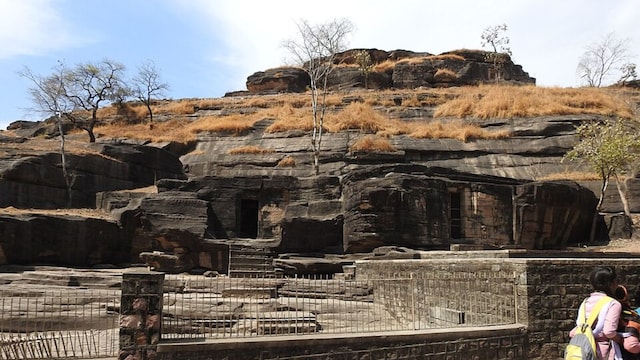
4/64. Udayagiri Caves, Vidisha | The Udayagiri Caves near Vidisha are a group of 20 rock-cut caves linked mainly to the Gupta period. The complex contains shrines, inscriptions and monumental sculptures. Its best-known feature is the large Varaha relief, depicting Vishnu in his boar incarnation. The caves provide evidence of the development of early Hindu sacred architecture and show the links between religious traditions, royal patronage and the landscape during the Gupta period. (Image: Wikimedia Commons)
 5/6
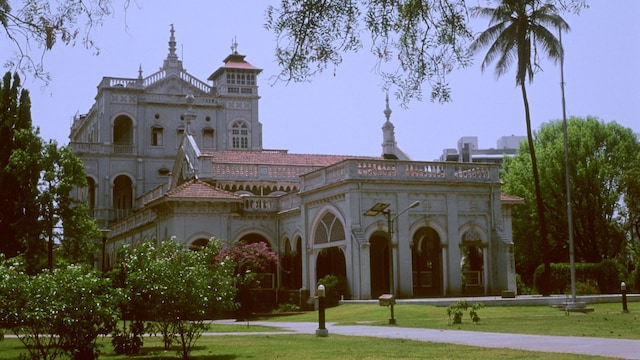
5/65. Sites of Satyagraha: India and South Africa | The fifth addition is a serial transnational proposal covering sites connected with the emergence and development of Satyagraha. The proposal links India and South Africa, tracing the movement from its formative years in South Africa to its development in India. The sites named in the proposal include Pietermaritzburg and Phoenix Settlement in South Africa, and Sabarmati, Mani Bhavan, Sevagram, Aga Khan Palace and Gandhi Smriti in India. Unlike the four Madhya Pradesh properties, this is a wider transnational heritage proposal. UNESCO’s current Tentative List records it as an Indian entry submitted on September 3, 2026. (Image: Canva)
 6/6
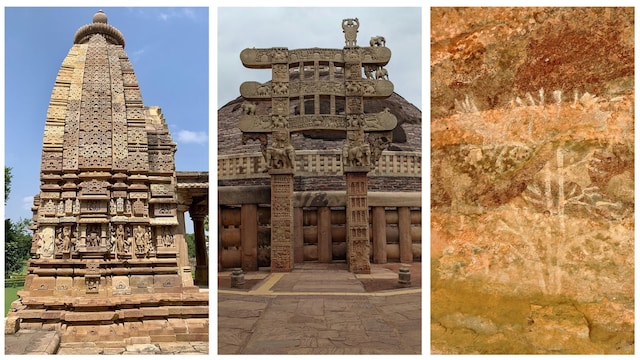
6/6Madhya Pradesh has 3 UNESCO World Heritage Sites | Madhya Pradesh already has three properties inscribed on the UNESCO World Heritage List: Khajuraho Group of Monuments — inscribed in 1986, Buddhist Monuments at Sanchi — inscribed in 1989, and Rock Shelters of Bhimbetka — inscribed in 2003. The state also has several other properties on India’s Tentative List, including Gwalior Fort, Bhojeshwar Mahadev Temple, Khooni Bhandara, the Rock Art Sites of the Chambal Valley, the historic ensemble of Dhamnar and the Gond monuments of Ramnagar, Mandla. UNESCO’s current records list these among India’s 78 Tentative List entries. (Image: Wikimedia Commons/Canva)