
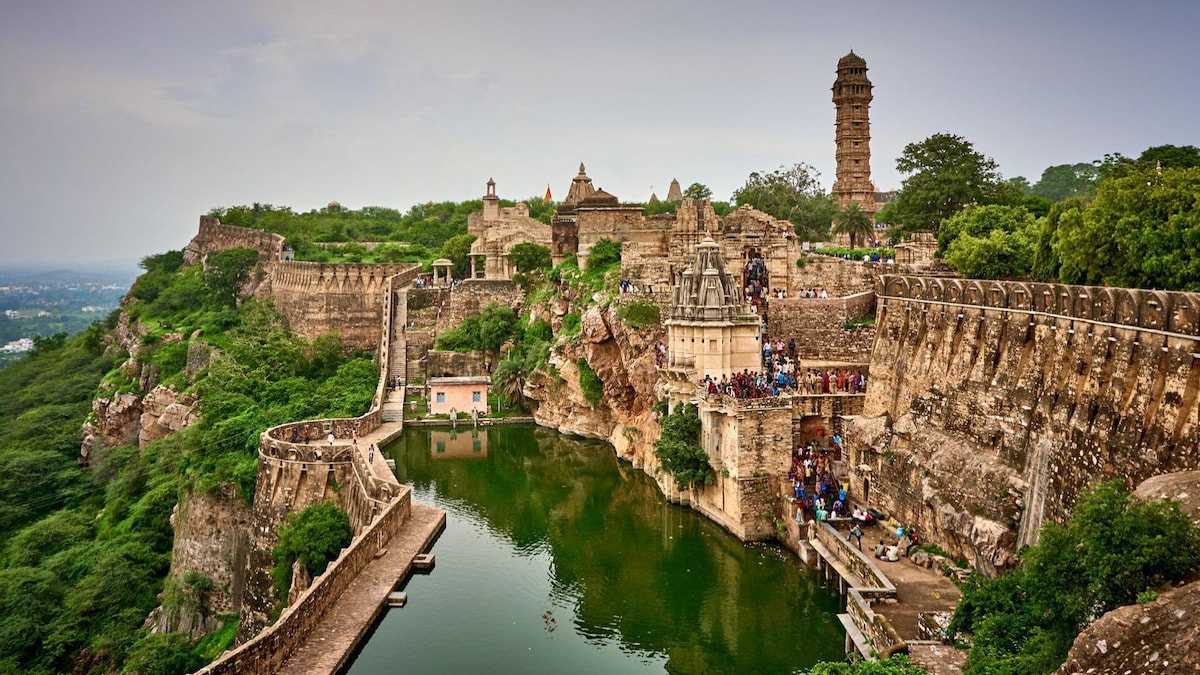
India’s forts are more than architectural landmarks. They have witnessed major battles, long sieges and struggles for power between kingdoms and empir…
 1/7
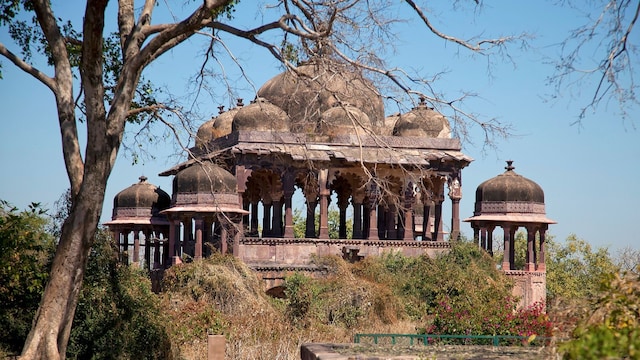
1. Chittorgarh Fort, Rajasthan | Chittorgarh Fort witnessed three major sieges during its history. Alauddin Khilji attacked it in 1303, followed by Gujarat Sultan Bahadur Shah in 1535 and Mughal emperor Akbar in 1568. The fort eventually fell to Akbar’s forces. Today, visitors can explore its historic palaces, temples and towers, including the famous Vijay Stambh. (Image: Canva)
 2/7
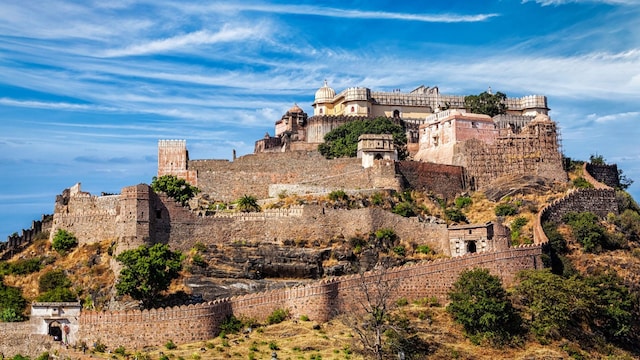
2. Ranthambore Fort, Rajasthan | Ranthambore Fort was an important stronghold of the Chauhan rulers. In 1301, Alauddin Khilji laid siege to the fort, which was ruled by Rao Hamir Dev. After a prolonged battle, Khilji’s forces captured it. Located within Ranthambore National Park, the fort offers visitors a chance to explore its historic temples, gateways and old structures. (Image: Canva)
 3/7
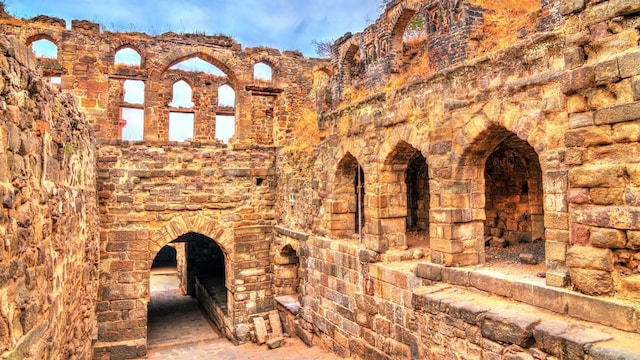
3. Kumbhalgarh Fort, Rajasthan | Built by Rana Kumbha in the 15th century, Kumbhalgarh Fort served as an important stronghold of the Mewar kingdom. Its location in the Aravalli hills and massive defensive walls made it difficult to capture. Historical accounts record that Mughal and Rajput forces eventually breached its defences. The fort is also known as the birthplace of Maharana Pratap. Visitors can explore its palaces, temples and long fort walls. (Image: Canva)
 4/7
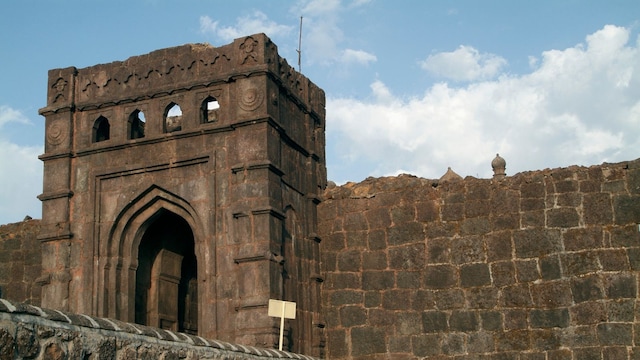
4. Daulatabad Fort, Maharashtra | Originally known as Devagiri, Daulatabad Fort was the stronghold of the Yadava dynasty. In 1296, Alauddin Khilji attacked it and defeated its ruler Ramachandradeva. The fort later changed hands between several ruling dynasties before Mughal forces captured it in 1633. Its steep approach, deep moat and fortified gateways make it an interesting destination for visitors exploring Maharashtra’s military history. (Image: Canva)
 5/7
5. Raigad Fort, Maharashtra | Raigad Fort served as the capital of Chhatrapati Shivaji Maharaj’s kingdom and was the site of his coronation in 1674. Mughal forces captured it in 1689 during Aurangzeb’s campaign against the Marathas. The fort later returned to Maratha control. Today, visitors can explore the remains of the royal palace, Shivaji Maharaj’s samadhi and Jagadishwar Temple. A ropeway also offers access to the hilltop fort. (Image: Canva)
 6/7
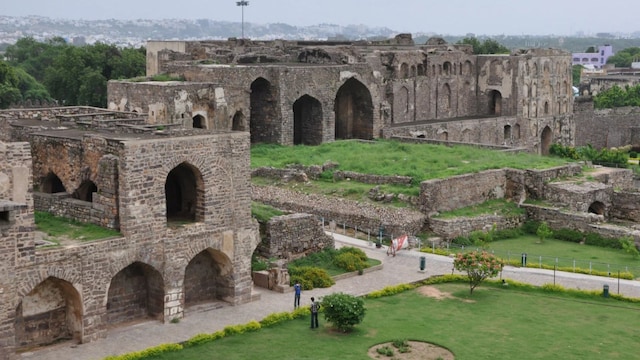
6. Golconda Fort, Telangana | Golconda Fort was the centre of power of the Qutb Shahi dynasty. In 1687, Mughal emperor Aurangzeb launched an eight-month siege to capture it. Despite strong resistance, Mughal forces eventually took control, ending Qutb Shahi rule. Today, visitors can explore its massive gateways, stone walls and royal structures. The fort is also known for its acoustic design, which allowed sounds at the entrance to be heard near the upper sections. (Image: Canva)
 7/7
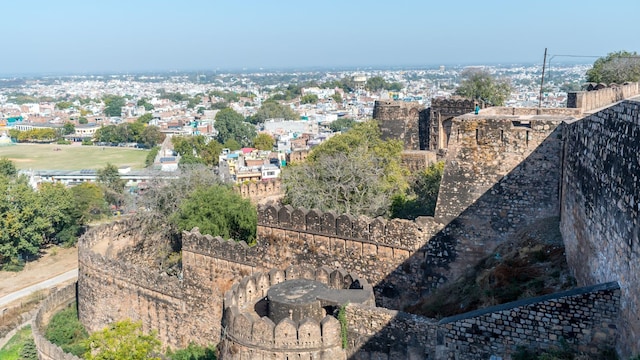
7. Jhansi Fort, Uttar Pradesh | Jhansi Fort is closely associated with Rani Lakshmibai and the Revolt of 1857. During the uprising, she led the defence of the fort against British forces. The British army captured it in April 1858, forcing the queen to continue her resistance elsewhere. She was killed near Gwalior in June that year. Visitors can explore the fort’s historic gateways, temples, walls and cannons. (Image: Canva)