
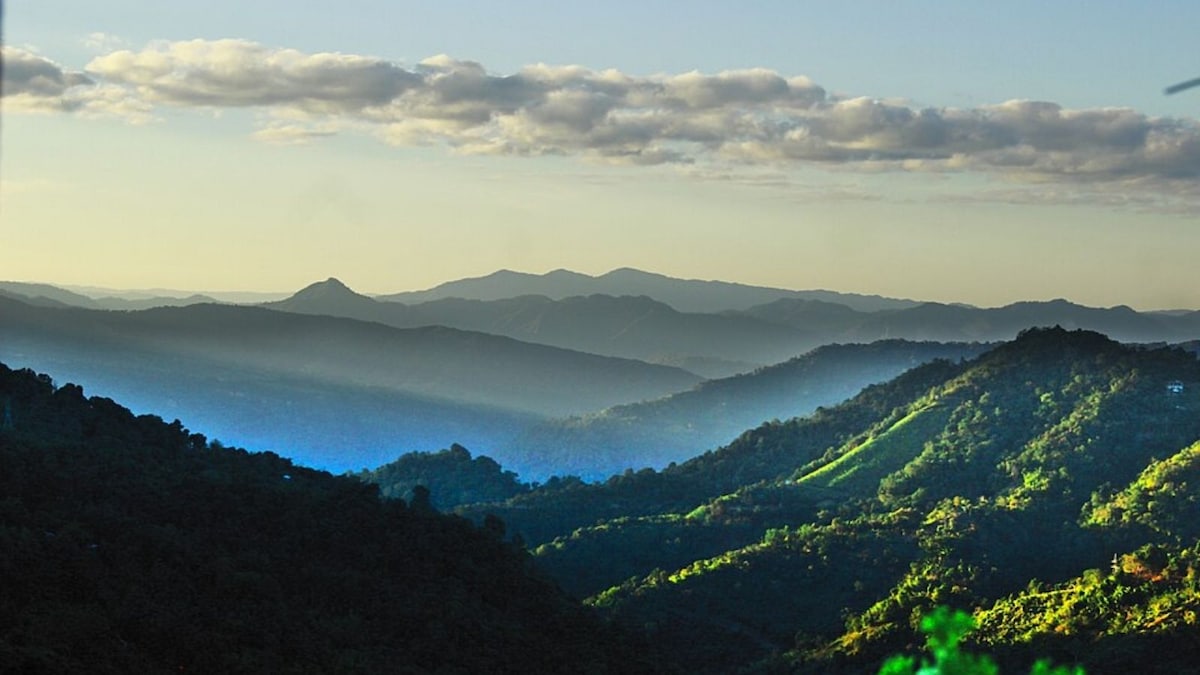
After a three-year hiatus, Mizoram’s Anthurium Festival made its return this October, turning the spotlight back onto one of the Northeast’s most scenic, community-rooted celebrations. Held from October 1 to 3 against the foothills of Reiek and neighbouring Ailawng in Mamit district, the three-day event was organised by the state Tourism Department in association with the Horticulture Department.
Combining commercial floriculture with adventure sports, indigenous music, traditional games, local handloom, and regional cuisine, the festival showcased the state’s hilly landscapes while promoting community-based tourism where local villages directly benefit as hosts.
The revival of the Anthurium Festival reflects a broader, statewide travel movement recently outlined by Chief Minister Lalduhoma at the Mizoram Travel Fest 2026 under the banner of “Mizoram CAN: Culture, Adventure and Nature.” Rather than pursuing unsustainable mass commercialisation, the state’s blueprint focuses on high-value, low-impact exploration anchored in the traditional Mizo philosophy of selfless service to others that underpins the region’s renowned civic cleanliness, order, and safety.
To ensure the economic benefits remain directly within rural communities, the government recently launched 199 homestays across the state under its Bana Kaih (handholding) policy alongside CSR and PM-JUGA initiatives, while executing over ₹681.16 crore in tourism infrastructure projects spanning eco-resorts, ropeways, heritage centres, and pilgrimage circuits.
Also Read: The midnight express: Inside India’s nocturnal food alleys
The autumn floral calendar also extends eastward. Just days after the Anthurium Festival concluded, Champhai district along the Myanmar border opened its 11-day Hnahsin Kut, or Cosmos Flower Festival, at Zotlang Mual. Running from October 6 to 16, the festival celebrates the cosmos blooms while spotlighting the region’s growing agro-tourism and horticulture.
Organised by the Champhai Nature Conservancy alongside the Horticulture and Tourism departments, the event highlights a booming rural economy: local wineries such as the Champhai Grape Growers’ Society facility at Tlangsam produced around 75,000 litres of grape wine with sales of about ₹6.54 crore, another winery at Hnahlan generated ₹3 crore, passion fruit covers roughly 375 hectares, and a major ginger processing unit has been approved for Mualkawi under the Mizo Ginger Mission.
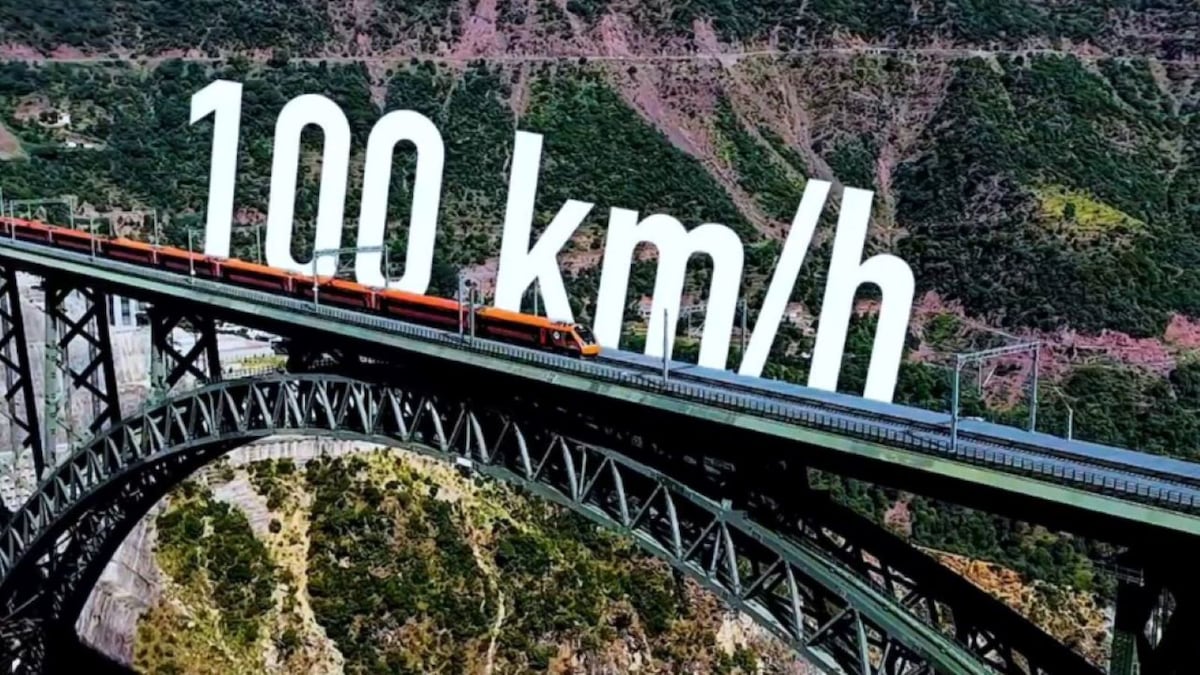
Connectivity has also reached a major turning point. The opening of the Bairabi–Sairang railway line in September 2025 brought the national rail network directly to the doorstep of Aizawl, making travel into the state far more affordable and dependable. The surge in demand is evident. After recording over 5.2 lakh tourist arrivals in 2024, the state welcomed more than six lakh visitors between January and August 2026 alone.
With more than four-fifths of its territory blanketed by natural forest cover, Mizoram pairs these community celebrations with expansive outdoor terrain. Beyond the festival grounds of Reiek, travellers can explore pristine natural landmarks like Dampa Tiger Reserve, Palak Dil, Vantawng Falls, and Hmuifang, or take part in emerging adventure sports like paragliding and cycling. As the state positions itself as India’s gateway to the east along the borders of Myanmar and Bangladesh, its blooming autumn landscapes offer an authentic, community-led journey into the heart of the Northeast.
Also Read: From Mediterranean islands to safari plains: The world’s top travel destinations for 2026