
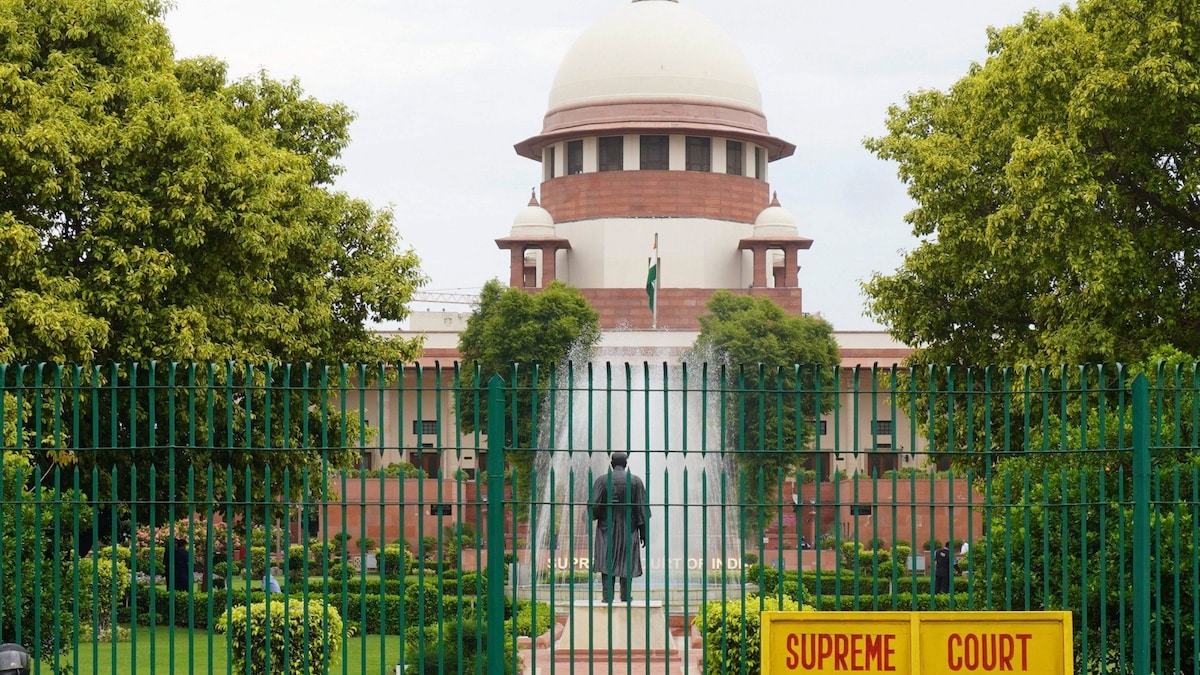
The Supreme Court has directed Indian Railways to provide insurance cover to passengers buying tickets at reservation counters within two weeks from October 27, 2026. It warned that the Railway Board would be held directly responsible if the order is not implemented.
A bench of Justices Ahsanuddin Amanullah and R Mahadevan issued the direction after raising concerns over delays in railway safety projects, including the Kavach anti-collision system, fencing along railway tracks and the construction of foot overbridges.
The court said repeated assurances from railway officials had not led to enough progress on the ground. It also questioned whether funds set aside for passenger safety were being properly used.
Supreme Court sets deadline for insurance on counter tickets
The court noted that the Centre had informed it on May 11 that it had decided to extend insurance cover to passengers buying tickets at railway counters. The government had said arrangements were being made to implement the decision.
However, the bench said enough time had passed without meaningful progress. It noted that the Railways had been given an opportunity to create a system covering passengers who buy tickets offline, including those without access to online booking facilities.
The court has now directed the Railways to provide the same insurance benefits to passengers buying tickets at counters as those booking online. The measure must be implemented within two weeks from October 27.
The bench said the order was compulsory and made the Railway Board directly accountable for any failure to comply.
Court flags delays in railway safety projects
During the hearing, the bench expressed “utter disappointment and displeasure” over how officials in the Railway Ministry had handled the matter, given its implications for public safety.
The judges said railway authorities had repeatedly assured the court that corrective measures were under way, but the reported progress did not appear to reflect substantial improvements on the ground.
They also questioned the use of funds allocated for passenger safety, noting that money set aside for specific projects had not been fully spent despite the urgent need to prevent accidents.
The court had earlier sought details of spending and implementation to assess whether the money allocated was translating into actual improvements in safety infrastructure.
Kavach system and track fencing under review
The case began with a petition filed after the June 2023 Odisha train accident. The petitioner sought an inquiry into the crash and raised concerns over the lack of implementation of the Kavach anti-collision system.
The Supreme Court later expanded the case to cover other railway safety measures, including trackside fencing, foot overbridges and insurance for passengers buying tickets at reservation counters.
The Railways was asked to provide details of the steps taken in these areas, along with information on additional budget allocations and the progress of work.
The bench expressed concern that basic passenger safety measures had not received adequate attention, even where funds had been set aside for the projects.
Supreme Court puts Railway Board officials’ personal appearance on hold
In view of the delays, the Supreme Court had initially directed the Railway Board chairman and members to appear in person and explain the lack of progress.
Additional Solicitor General Vikramjeet Banerjee, representing the Centre, sought a final opportunity to submit a detailed affidavit. He asked for time to document the work carried out over the previous year and explain why targets, particularly those relating to track fencing, had not been met.
The bench accepted the request and put its direction requiring Railway Board officials to appear in person on hold.
The matter will be heard next on November 16, when the court is expected to review the Railways’ submissions and assess compliance with its directions.