
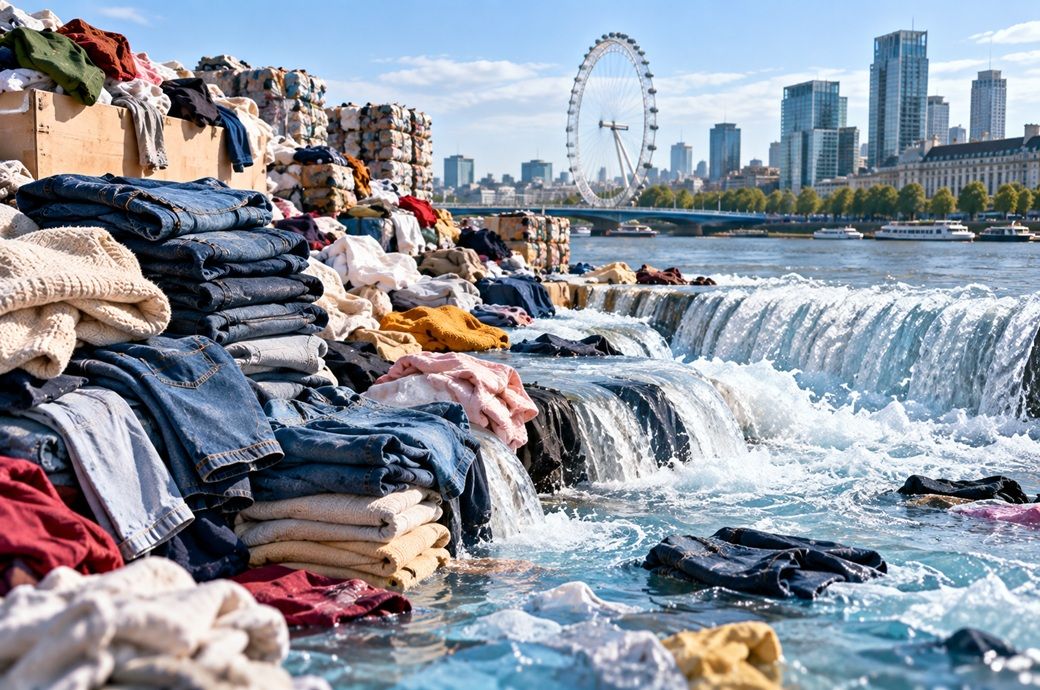
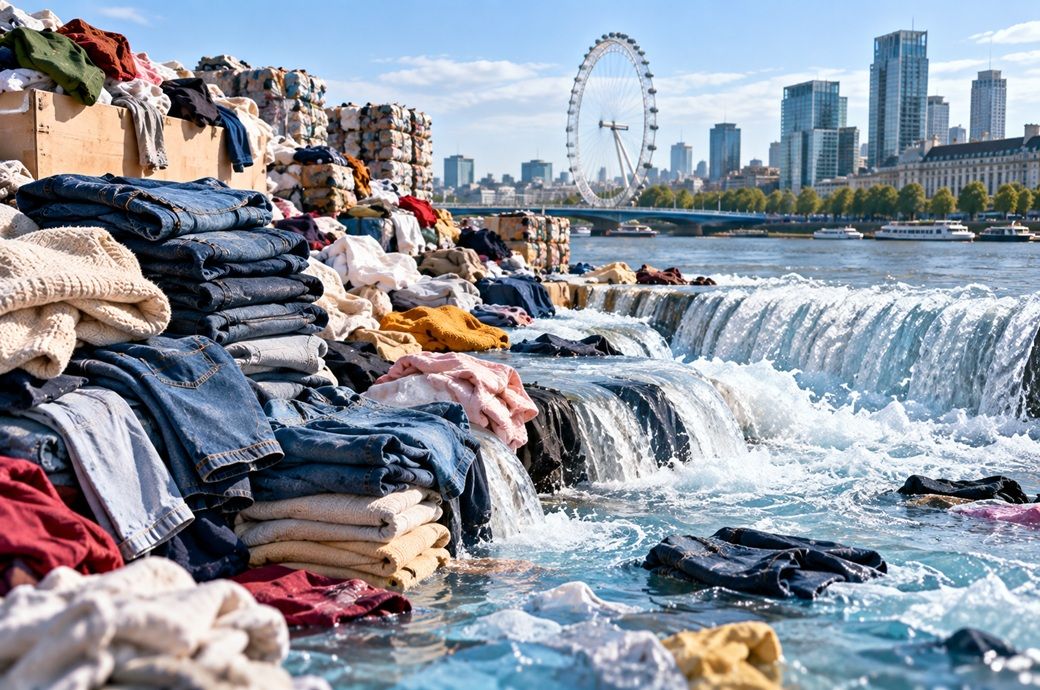
Oxfam’s inaugural State of Style 2026 report found that 32 per cent of the average UK wardrobe has not been worn in the past year, while four in 10 people have worn an item of clothing just once. The water used to produce those barely worn garments would fill about 88 billion single-use water bottles.
The report found that almost two-thirds (64 per cent) of people have bought clothes they were not actively looking for after seeing them on social media, apps or online shopping platforms. More than half (57 per cent) said they had tried to buy fewer clothes over the past year, while 20 per cent still throw unwanted clothing away instead of donating, repairing or reselling it.
An Oxfam UK report has claimed that social media is fuelling fast fashion, placing digital influence in focus for the apparel and fashion sector.
It found that 32 per cent of the average UK wardrobe has not been worn in the past year, while four in 10 people have worn an item of clothing just once.
The water used to produce those barely worn garments would fill about 88 billion single-use water bottles.
Oxfam said the findings point to a cycle of impulse purchases, one-wear outfits and clothing waste that puts additional pressure on water, energy and raw materials. The charity noted that producing clothing requires substantial amounts of water, from growing fibres to dyeing and manufacturing garments.
Globally, the fashion industry uses about 93 billion cubic metres of water annually, equivalent to 37 million Olympic-sized swimming pools, according to Oxfam. The clothing bought in the UK each year has a water footprint of around 8 billion cubic metres, enough to meet the country’s water needs for two years.
The report also found that 51 per cent of Britons regretted at least one clothing purchase made over the previous year. Oxfam estimated that the water wasted on those regretted purchases could provide enough drinking water for the world’s population for 10 days.
Digital platforms appear to play a growing role in shopping decisions. While 59 per cent of respondents admitted buying something because it appeared in an app’s feed or recommendations, only 27 per cent said algorithms or online recommendations influence what they buy or wear, suggesting consumers may underestimate their impact.
Oxfam’s recommendations include buying for the wardrobe rather than the shopping feed, choosing existing clothing, repeating outfits, repairing garments before replacing them and prioritising individuality over trends.
Fibre2Fashion News Desk (CG)