
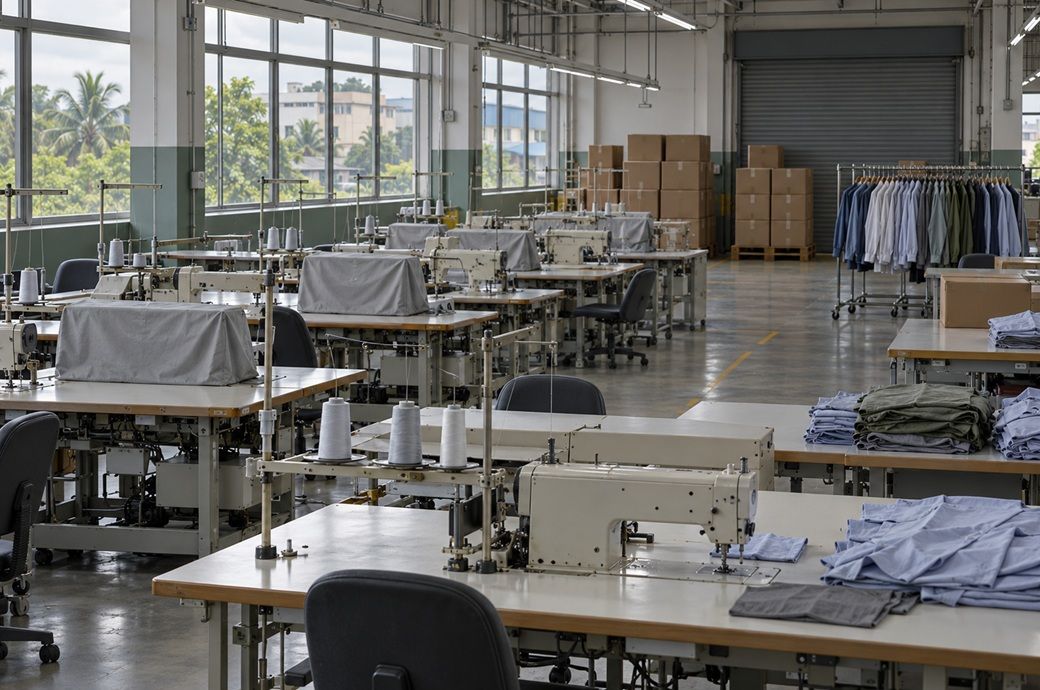
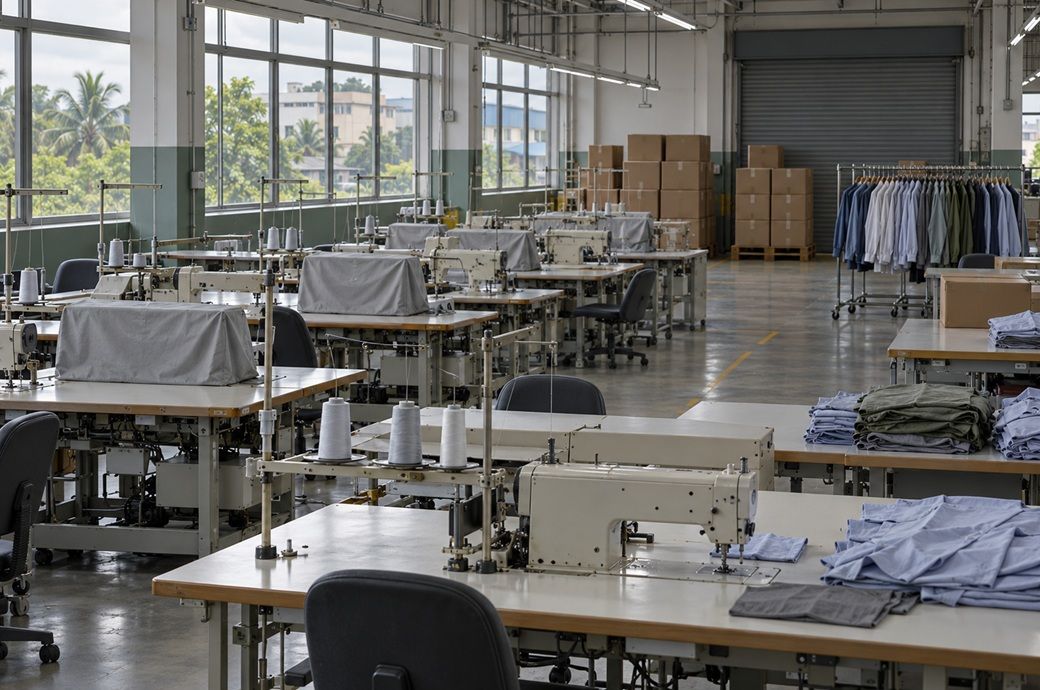
Myanmar’s garment sector has reached a point where “pause and monitor” is not a viable sourcing strategy. Factory closures linked to falling orders are turning a human-rights due-diligence question into an immediate commercial and reputational risk. The key question is who now carries the risk as a shrinking supply base absorbs fewer orders. The exposure is particularly relevant for Japanese value-fashion and workwear buyers that continue to source from Myanmar. Japan’s imports from Myanmar rose to $*.** billion in ****, up from $*.** billion in ****, with clothing and accessories accounting for **.* per cent of imports.
Myanmar garment factory closures signal deepening supply-chain strain
The clearest documented case is Teng Hui (Myanmar) Knitting in Yangon. Myanmar’s Ministry of Labour reported that Teng Hui, with *,*** workers, was preparing for temporary suspension due to reduced orders; *,*** workers sought transfers to other factories. Local reporting identifies H&M as the principal buyer, but the official record establishes reduced orders, not H&M-specific causation.