
India’s festive travel dynamics are undergoing a sharp behavioural shift, with young holidaymakers replacing traditional extended vacations with multiple, spontaneous short getaways, according to the ‘Zostel Festive Travel Pulse 2026’ report.
Advance reservations across Zostel properties for the October-December 2026 quarter are already pacing roughly 50% ahead compared to the corresponding period last year, with November stays logging a 43% increase. The findings, based on booking metrics from the backpacker hostel chain, reveal that nearly one in four travellers (23%) booked more than once during the festive quarter last year, while nearly one in 10 visited two or more destinations within the same three-month window.
The data indicates that trips have compressed in length, averaging just two nights per stay. High spontaneity continues to characterise booking behaviour: 30% of guests booked on the day of check-in, 60% reserved within three days, and 70% finalised plans within a week. Fewer than 10% planned their trips more than a month in advance.
Established leisure hotspots continue to dominate overall volumes, with Hampi, Gokarna, Varkala, Rishikesh, and Jaipur ranking as the most-booked destinations so far this festive cycle. However, high-altitude regions in the Himalayas are witnessing the fastest acceleration in demand. Kinnaur has emerged as the standout cluster, led by Sangla, where bookings have tripled (3x) compared to last year. Kalpa followed with a 2.9-fold rise, Shangarh at 2.8 times, and Chitkul and Shoja both registering 2.6 times their previous year’s volumes. Three of the top five fastest-growing destinations are situated in Himachal Pradesh’s Kinnaur district.
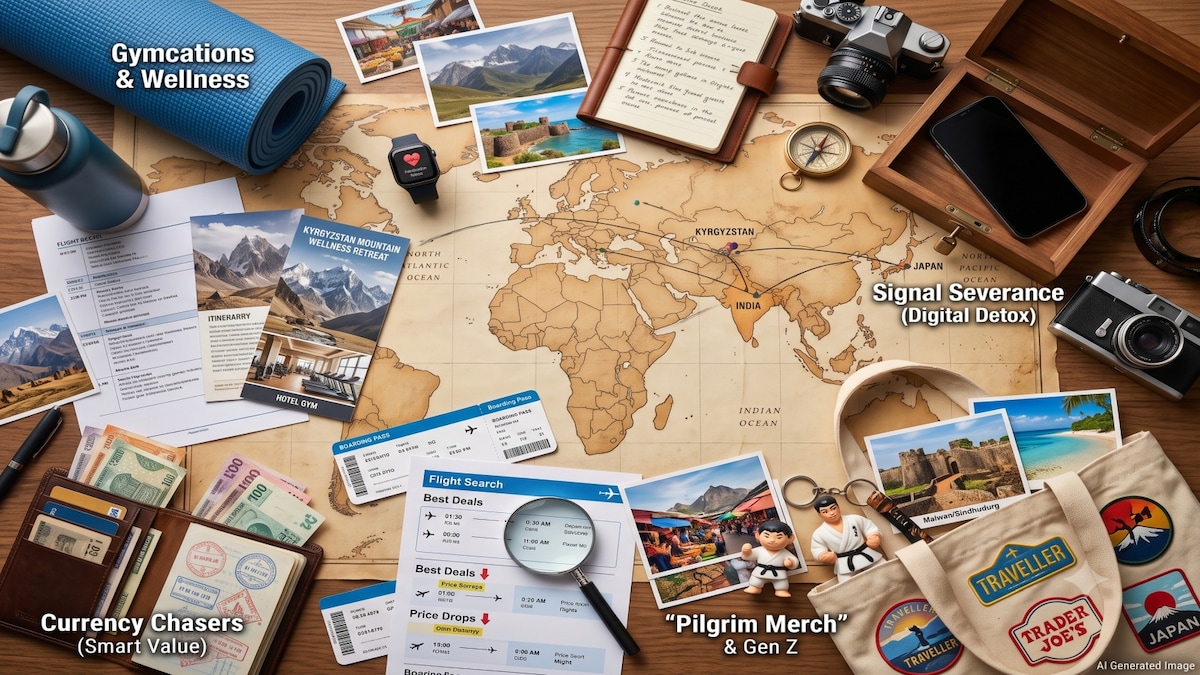
Also Read: From gymcations to ‘currency chasers’: How Indians will travel in 2027
“The festive season is not one trip anymore. It is a season of trips. Three out of ten festive travellers at Zostel book on the same day they check in. Nobody is planning Diwali in August. They finish work, pick a place, and leave. They keep it short, two nights on average, which is exactly why they do it again,” said Dharamveer Singh Chouhan, Co-founder of Zostel and Zo World and Group CEO of Zo World.
“Almost one in four of our travellers booked more than once between October and December last year, and this year festive bookings are already about 50% ahead. The interesting part is where they are going. Hampi, Gokarna and Varkala are leading, and Sangla, Kalpa and Shangarh are at nearly three times last year. The festive season used to be one holiday. Now it is three months of long weekends,” Chouhan added.
Demographically, youth and solo explorers continue to anchor the segment. Nearly 70% of festive guests were under the age of 30, with 25-to-29-year-olds constituting the single largest bracket at 44%. More than half of all reservations (over 50%) were made by solo travellers, while pairs accounted for 30%, and groups of three or more represented one in seven bookings. Women comprised over 20% of total guests. Top source metropolitan hubs included Delhi NCR, Mumbai, Bengaluru, Pune, and Hyderabad.
Analysing seasonal traffic patterns, the report noted that while the Dussehra and Gandhi Jayanti long weekend generated October’s peak last year, November demonstrated steady, distributed momentum with every Saturday turning into a peak travel day. The Christmas-to-New Year corridor emerged as the quarter’s busiest overall stretch, with December 25 registering as the single heaviest check-in day at close to 40% above the daily average. Group travel vertical Zo Trips accommodated over 1,500 travellers across 116 batches during the 2025 festive quarter.
Also Read: Move over, staycation: Why the stillcation is the ultimate travel luxury