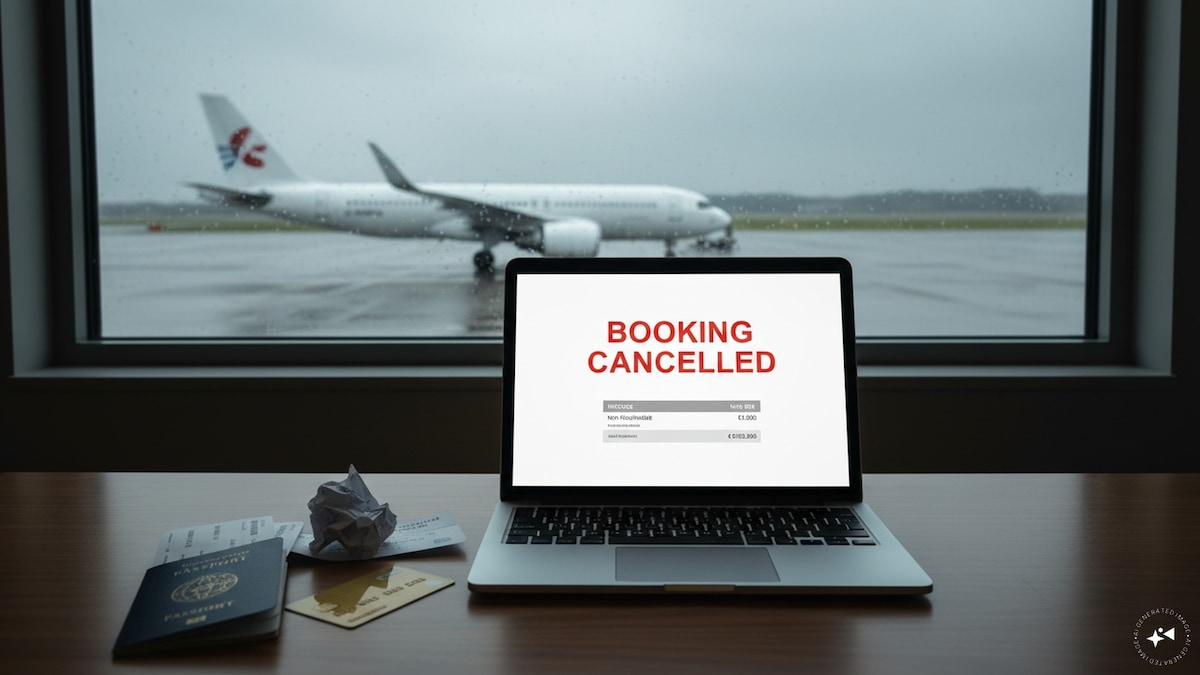


Travel can be exciting, but the past few days have also been a reminder that even the best-planned trip can take an unexpected turn. The devastating floods in Nepal have put that reality into sharp focus, with travellers caught in a crisis and families left scrambling for information about their loved ones. So, this Sunday, we’re looking at both sides of travel — the practical things that can make a journey safer and easier, alongside the developments shaping how we travel.
We start with a practical guide to preparing for the unexpected: what information to leave with family before you travel, how to set up check-ins, and what to keep handy if you suddenly become unreachable. From there, we head to North Bengal to explore an unusual snake-like bridge, look at India’s first bullet train as it takes shape, and unpack Google’s new AI travel tools and ways to save on airfare. We also look at easier immigration for international flyers from India and special Darjeeling Toy Train rides planned for Durga Puja.
Beyond travel, we’re looking at how GLP-1 drugs are changing what Indians eat, from smaller portions of rice, chapatis and idlis to new preferences around taste, texture and hydration. Proposed red warnings on packaged foods could also change how we look at everyday favourites such as chips and biscuits.
And there’s more to explore, from the rapid transformation of India’s podcast industry to a timely reminder about being more careful with what we believe online.
Settle in, and let’s get into it!
Before you travel: How to make sure your family can find you in an emergency
A disaster can turn a holiday into a search-and-rescue effort within hours, especially when roads are cut off and communication networks go down. The recent floods in Nepal are a reminder that families and authorities need more than a destination name to trace a traveller in an emergency. From sharing your detailed itinerary and setting check-in protocols to keeping insurance, emergency contacts, offline maps and backup payment options ready, here’s how to create an emergency trail before your next trip.
Flying abroad from India? Your phone can soon replace the paper boarding pass at immigration
International flyers will soon have one less paper formality to worry about. From September 1, passengers departing from Indian airports can show their e-boarding pass on their phone at immigration counters, instead of carrying a printed copy for stamping. Here’s what the new rule means for international travellers.
Planning your next holiday? Google wants to make the whole process a little easier
From tracking flight prices and checking how many points or miles you’ll need to booking hotels, Google is adding a bunch of new travel tools to AI mode in Search. The idea is to let travellers plan more of their trip in one place, compare options and keep an eye on fares before committing. Here’s a look at Google’s new travel features, including which ones are available in India and where hotel booking is currently limited.
Flying out for the long weekend? Here are ways to get cheaper flight tickets
Long weekends often mean higher airfares as demand surges, but travellers don’t necessarily have to pay a premium to get away. From choosing cheaper travel dates and comparing fares to using price alerts, checking alternative airports, and watching for airline deals, these 8 tips can help you lower the cost of your next flight.
India’s bullet train is finally taking shape
India’s first high-speed rail project is inching closer to reality, with work progressing on the Mumbai-Ahmedabad corridor. From elevated tracks and massive river bridges to reclining seats and onboard infotainment, here’s what the bullet train will look like, and why the project’s cost has nearly doubled to ₹2.1 lakh crore.
Darjeeling Toy Train adds special Durga Puja rides from October 1
Planning a Darjeeling trip during Durga Puja? The UNESCO-listed Darjeeling Himalayan Railway is adding special joyrides from October 1, giving tourists more chances to experience the iconic Toy Train through the hills. From diesel rides between Darjeeling and Ghum to the steam-powered ‘Red Panda’ service between Kurseong and Mahanadi, here are the routes and fares.
Bagrakote Loop Bridge: This ‘snake bridge’ is a must-see on your next road trip
Tucked between the Dooars and the Himalayan foothills, the Bagrakote Loop Bridge is one of North Bengal’s most unusual road structures, with its distinctive winding design rising 41 metres above the landscape. If you’re planning a road trip to Sikkim or Kalimpong, here’s why this scenic bridge deserves a stop, and what you can explore nearby.
GLP-1 drugs are changing Indian diets
The impact of weight-loss drugs is extending beyond the weighing scale, with Indian users reporting major changes in their everyday eating habits. Chapatis, rice and idli portions are getting smaller, while softer textures, balanced flavours and hydration are gaining preference, even as household purchases of biscuits, sweets and fried snacks remain largely unchanged.
Your chips and biscuits might soon come with a red warning!
India may soon introduce prominent red hexagonal warnings on packaged foods high in sugar, salt or fat. The proposed labels could change how shoppers judge everything from biscuits and chips to noodles and packaged drinks. Here’s what the new rules could mean.
Is podcasting in India becoming more than just something you listen to?
From three-camera setups and social-media clips to celebrity hosts, brand deals and the rise of Hindi and regional content, India’s podcast industry is changing fast. YouTube is reshaping how audiences discover shows, while creators and networks are rethinking everything from production costs to monetisation. Here’s a look at what’s driving India’s podcast transformation, and why the next big audience may lie beyond the English-speaking metros.
The internet is very good at making nonsense look believable
A joke about Emily in Paris being created as a prank was taken seriously by thousands of people — and even made its way into mainstream publications. It’s just one example of how easily satire, AI-generated images and misleading posts can slip past our scepticism when something looks polished, feels plausible or has already gone viral. Research into how we consume information online offers some clues about why we’re so quick to believe, and share, things that aren’t true.