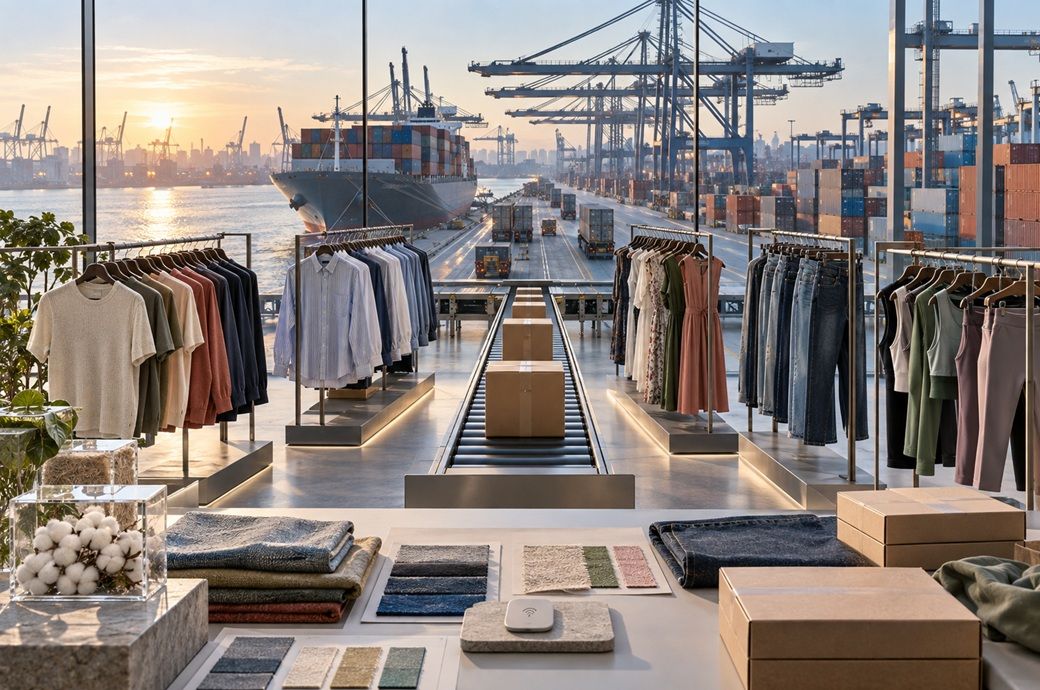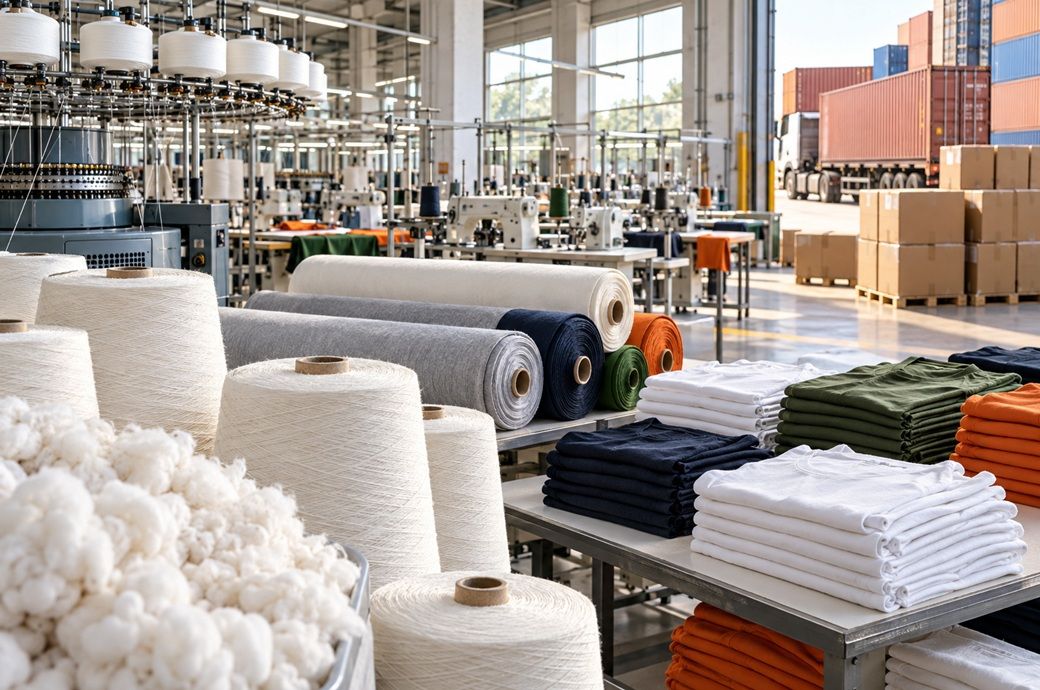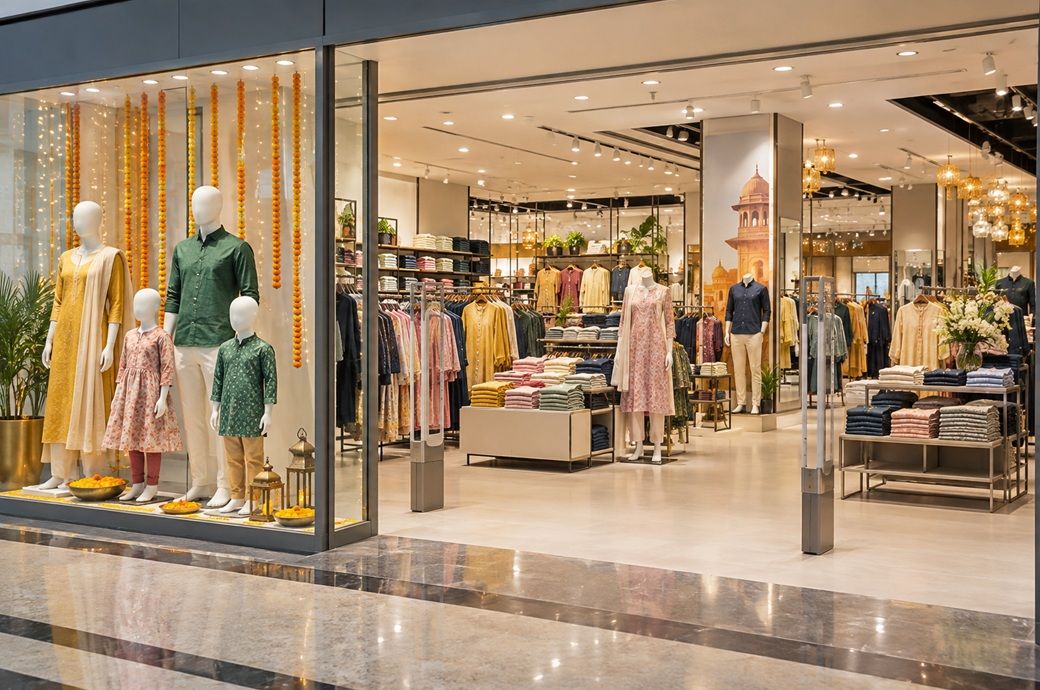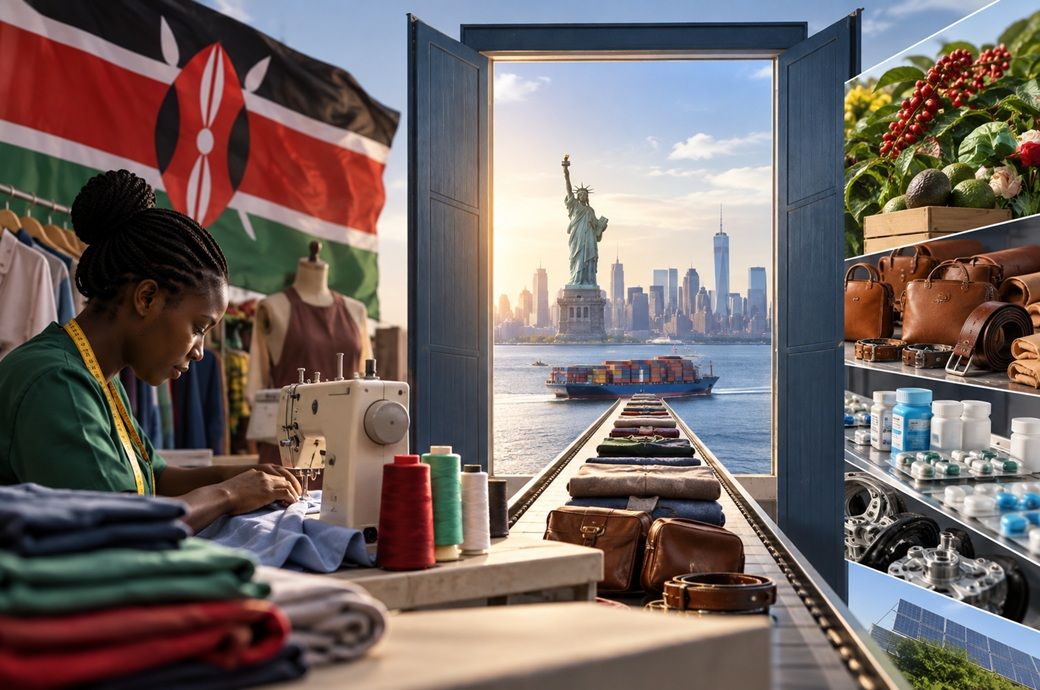

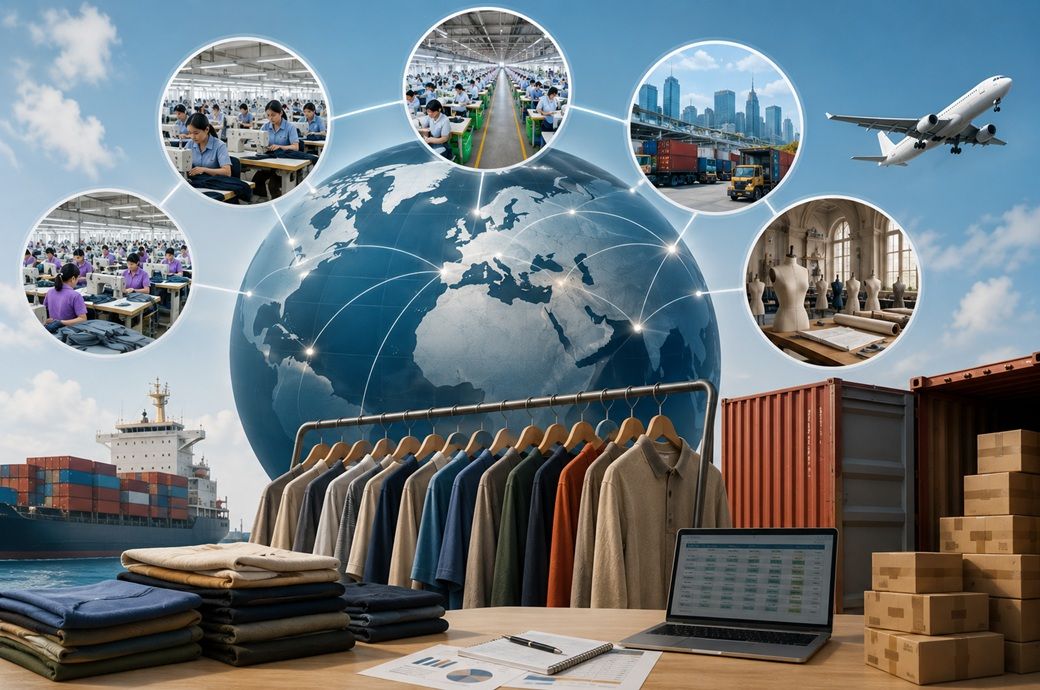
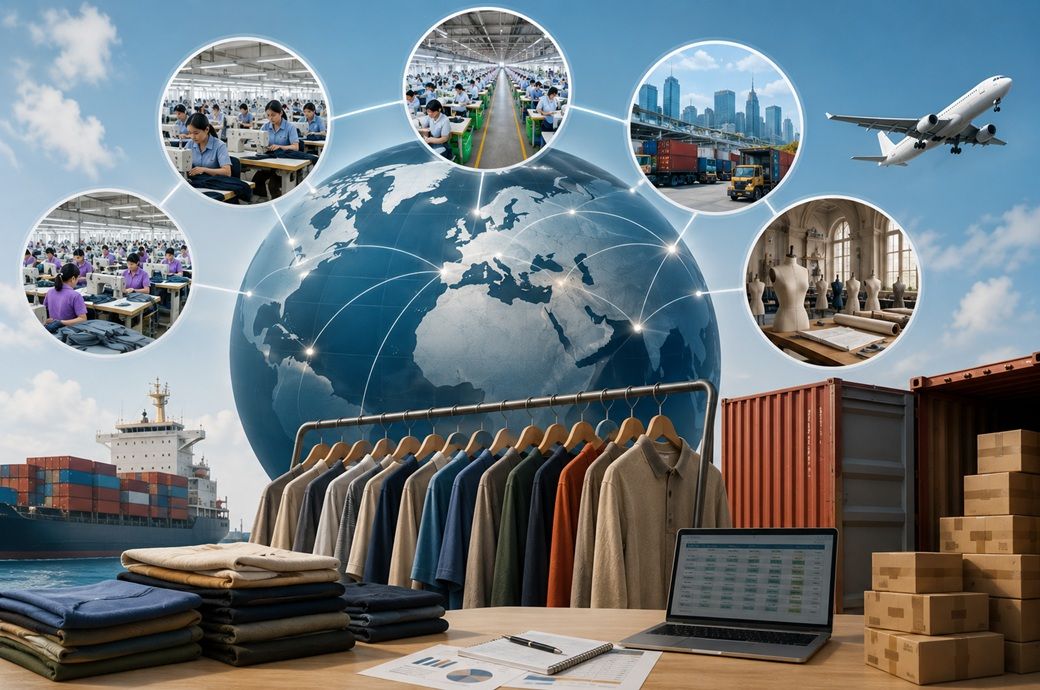
Such platforms can shift orders between countries as tariffs, production costs, capacity and delivery requirements change. Single-country suppliers have less flexibility. The PDS-Busana partnership therefore offers a clear example of how apparel sourcing is being reorganised around geographic scale and flexibility.
Cost and supply chain analysis
The combined platform covers six countries: Indonesia, India, Bangladesh, Nicaragua, Honduras and Italy. PDS handles more than $*.* billion in Gross Merchandise Value, representing the total value of goods it moves for brands and retailers. Busana adds annual revenue of more than $*** million, ** million pieces of annual capacity and about **,*** employees. The six markets provide different combinations of production costs, capabilities, market access and tariff treatment.
On July **, the US Trade Representative brought a new set of Section *** “forced-labour” tariffs into force. These are additional US import duties linked to the relevant forced-labour framework. India, Bangladesh, Indonesia and Honduras face ** per cent, while China, Vietnam, Thailand and Nicaragua face **.* per cent. Qualifying textile and apparel goods from all six CAFTA-DR countries, including Nicaragua and Honduras, can enter the US duty-free if they satisfy the “yarn-forward” rule, which requires the relevant yarn and fabric to originate in the US or CAFTA-DR region. This gives the PDS-Busana platform several sourcing options. Asian operations provide scale and cost efficiency, Central American operations provide qualifying duty-free US access, and Italy provides a European production base for customers requiring proximity to the EU market.