
The world’s bluest lakes are known for their crystal-clear waters, stunning shades of blue, and breathtaking natural beauty. Surrounded by mountains, …

 1/10
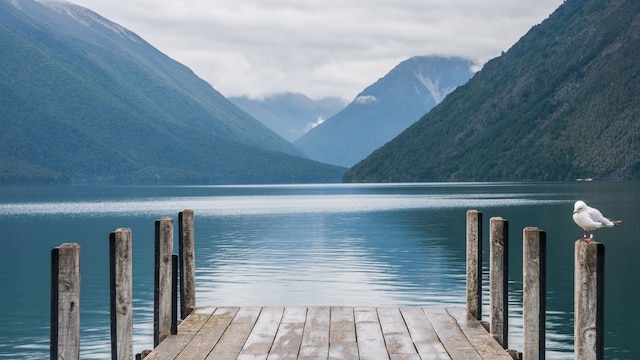
1/101. Blue Lake, New Zealand | This pristine, alpine lake is situated in New Zealand’s Nelson Lakes National Park. Known as the clearest natural body of freshwater on Earth, this lake offers underwater visibility of up to 80 metres, making it almost optically clear as distilled water. (Image: Canva)
 2/10
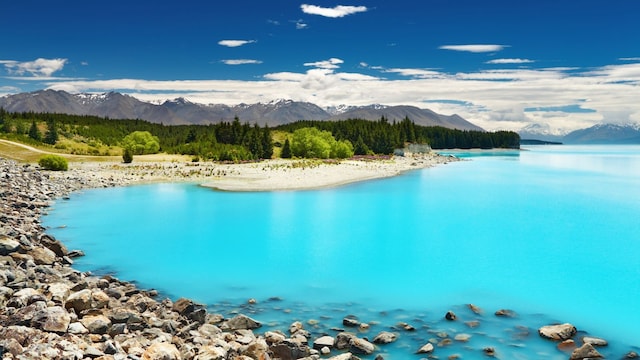
2/102. Lake Pukaki, New Zealand | Located on New Zealand’s South Island, this iconic alpine lake is renowned for its striking, milky-turquoise water fed by the Tasman and Hooker glaciers. Surrounded by the snow-capped Southern Alps, this lake offers dramatic views of Mount Cook across its northern expanse. (Image: Canva)
 3/10
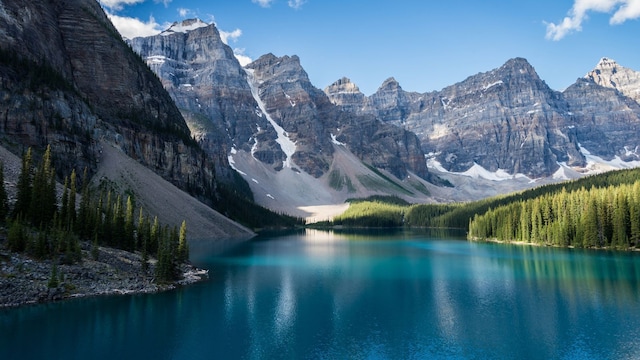
3/103. Moraine Lake, Canada | This iconic glacially fed lake is situated in Alberta’s Banff National Park. Sitting at 6,181 feet in the Valley of the Ten Peaks, it is famous for its vivid turquoise water, which is created by suspended “rock flour” from surrounding glaciers. (Image: Canva)
 4/10
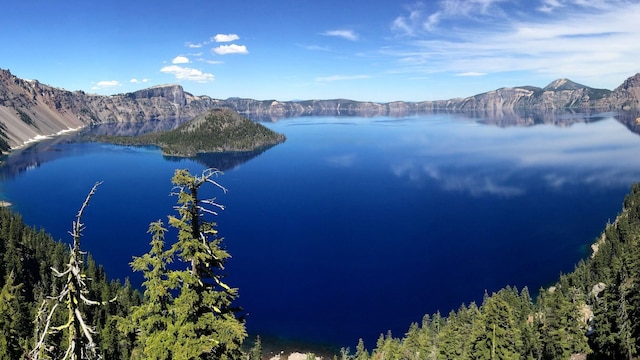
4/104. Crater Lake, United States | Located in the Cascade Mountains of southern Oregon, this is the deepest lake in the United States. Renowned for its pristine blue water, the lake fills a massive volcanic basin known as a caldera, created 7,700 years ago when Mount Mazama collapsed. (Image: Canva)
 5/10
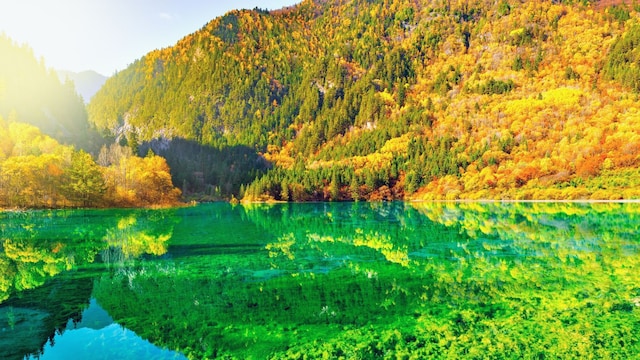
5/105. Five Flower Lake, China | Situated at the Jiuzhaigou National Park in Sichuan, China, this lake is famous for its crystal-clear waters that shift between sapphire blue, emerald green, and amber. This UNESCO World Heritage site gets its vibrant colours from mineral deposits, colourful algae, and submerged ancient tree trunks, making the lake look breathtaking. (Image: Canva)
 6/10
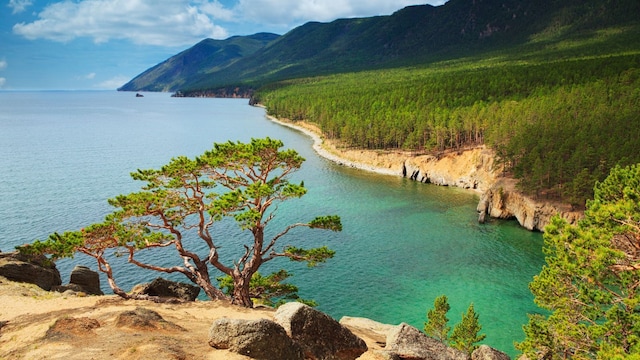
6/106. Lake Baikal, Russia | Located in southeastern Siberia, Lake Baikal is the world’s oldest and deepest freshwater lake. Often called the “Blue Eye of Siberia”, it holds roughly 20% of the planet’s unfrozen freshwater and is famous for its extreme water clarity and unique biodiversity. (Image: Canva)
 7/10
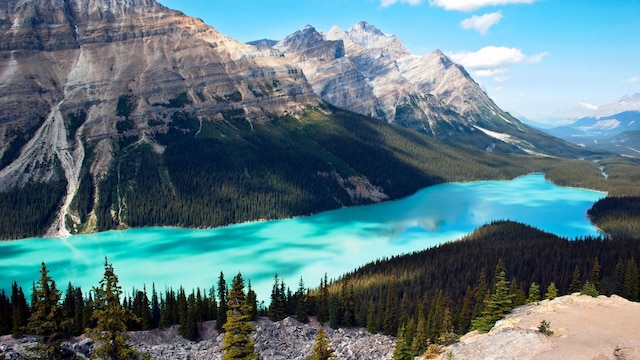
7/107. Peyto Lake, Canada | Located in Alberta’s Banff National Park, Peyto Lake is renowned for its vibrant blue waters. The lake is also known for its distinctive wolf-head shape when viewed from above and is named after early trail guide and trapper Bill Peyto. (Image: Canva)
 8/10
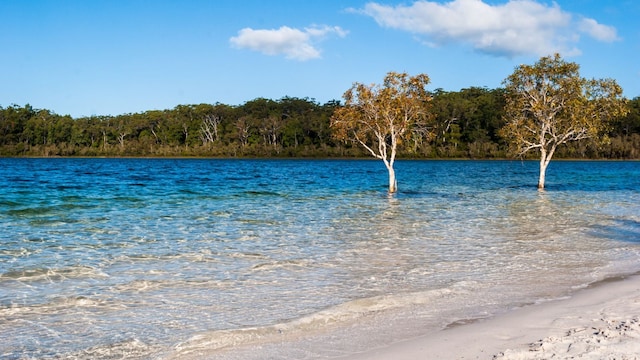
8/108. Lake McKenzie, Australia | Located in Queensland’s Great Sandy National Park, Lake McKenzie is famous for its clear water and pure white silica sand. The shallow freshwater lake is a popular spot for swimming, snorkelling and paddling. The bright white sand further enhances the striking turquoise colour of the water. (Image: Canva)
 9/10
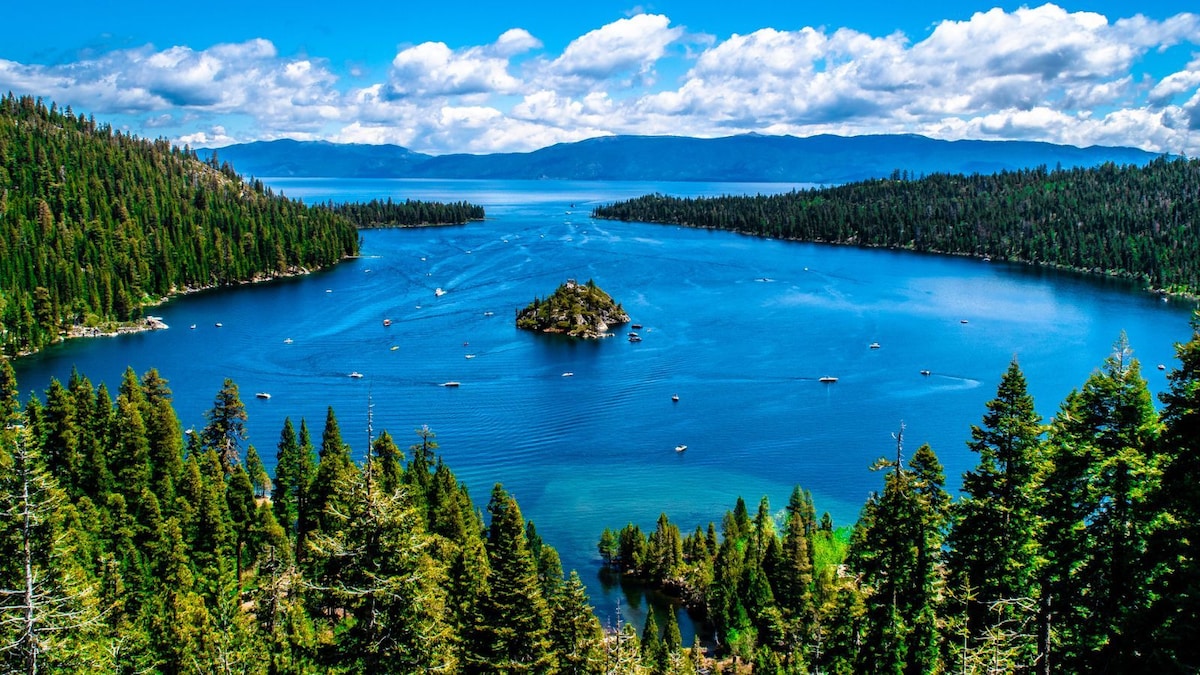
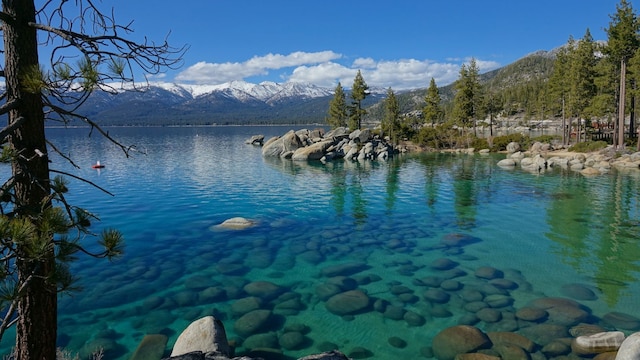
9/109. Lake Tahoe, United States | Famous for its surrounding Sierra Nevada peaks, Tahoe’s water has recently returned to its clearest state in 40 years. Renowned for its stunning clarity and deep blue water, it sits at an elevation of 6,225 feet. The region also features year-round outdoor recreation, from summer boating to winter skiing. (Image: Canva)
 10/10
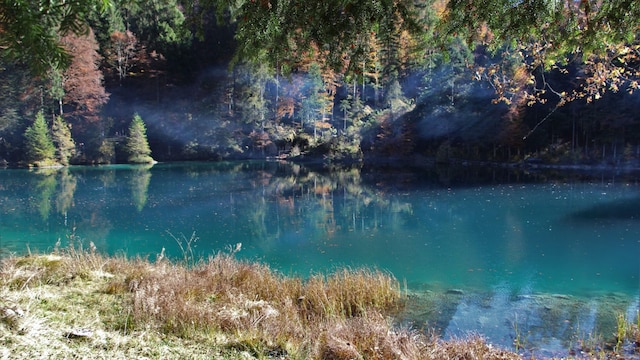
10/1010. Blausee, Switzerland | Nestled in the Bernese Oberland, Kandergrund, Switzerland, Lake Blausee is one of Switzerland’s most beautiful blue lakes. Known for its crystal-clear turquoise waters, this lake is surrounded by forests, giant glacial boulders and mountain scenery. It also features an easy hiking trail, a lakeside spa hotel and an organic trout farm. (Image: Canva)