
 1 / 8
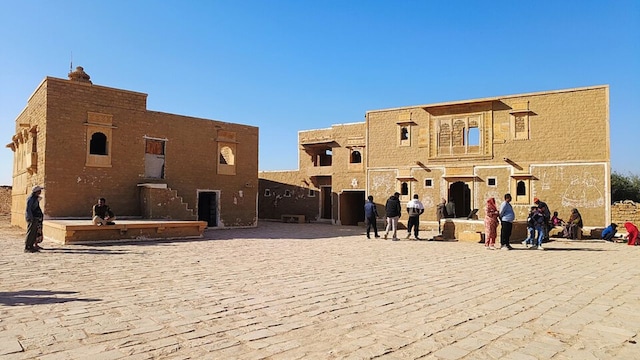
1 / 8Kuldhara, Rajasthan | Near Jaisalmer lies Kuldhara, a deserted village made up of sandstone houses and empty lanes. It was once inhabited by the Paliwal Brahmin community and was abandoned in the early 19th century. The exact reasons for its desertion remain debated among historians, while local folklore speaks of a sudden mass departure and a curse associated with the site. Today, it is preserved as a heritage site and visited for its atmospheric ruins. (Image: Wikimedia Commons)
 2 / 8
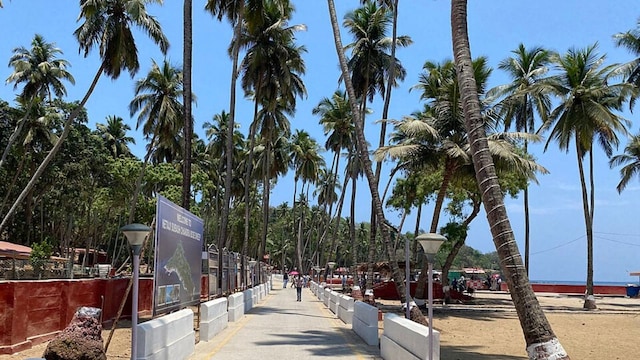
2 / 8Ross Island, Andaman and Nicobar Islands | Ross Island once served as the administrative headquarters of the British in the Andaman Islands. After being abandoned following a devastating earthquake and later wartime developments, the island was left uninhabited. Today, colonial-era structures such as churches, offices and bakeries remain in ruins, with dense tropical vegetation slowly reclaiming the land. (Image: Wikimedia Commons)
 3 / 8
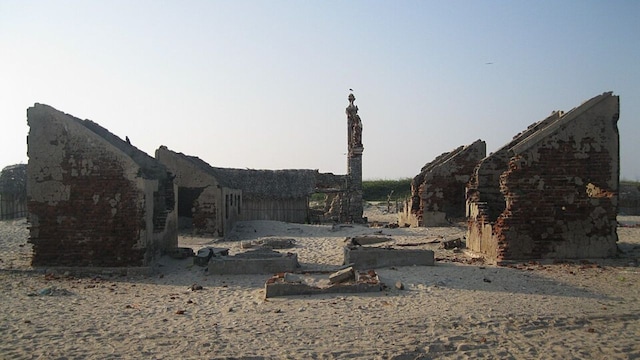
3 / 8Dhanushkodi, Tamil Nadu | Located at the tip of Rameswaram, Dhanushkodi was a functioning town until the 1964 cyclone destroyed most of it. The disaster left the settlement largely uninhabitable. What remains today are the skeletal ruins of churches, railway lines and buildings along a stretch of empty coastline, making it one of India’s most haunting coastal ruins. (Image: Wikimedia)
 4 / 8
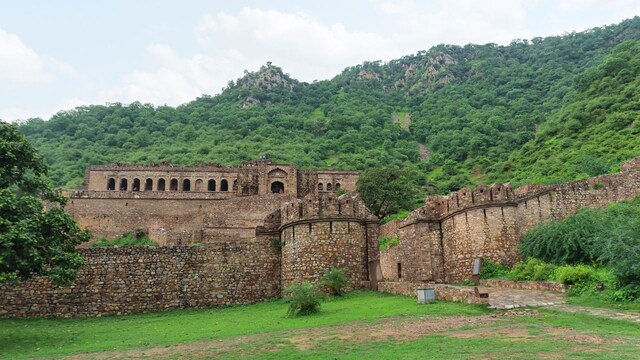
4 / 8Bhangarh Fort, Rajasthan | Bhangarh Fort, built in the 17th century, is an archaeological site maintained by the Archaeological Survey of India. The fort is widely known in popular culture due to local legends and folklore that associate it with curses and paranormal stories. While these accounts remain unverified, the fort’s preserved ruins and restricted evening access add to its mysterious reputation. (Image: Canva)
 5 / 8
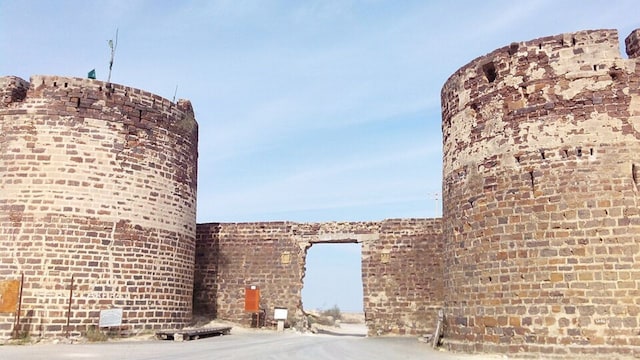
5 / 8Lakhpat, Gujarat | Once a prosperous port town, Lakhpat declined after changes in trade routes and environmental shifts in the region. Today, much of the town stands deserted, with massive fort walls, empty streets and remnants of its historical past still visible. A small population remains in nearby areas, but the old settlement is largely uninhabited. (Image: Wikimedia)
 6 / 8
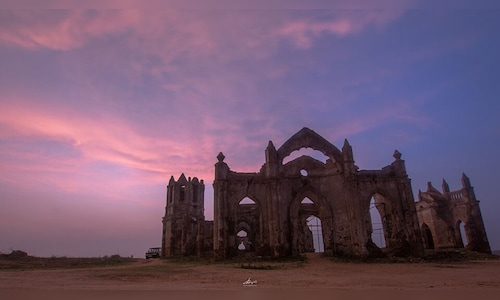
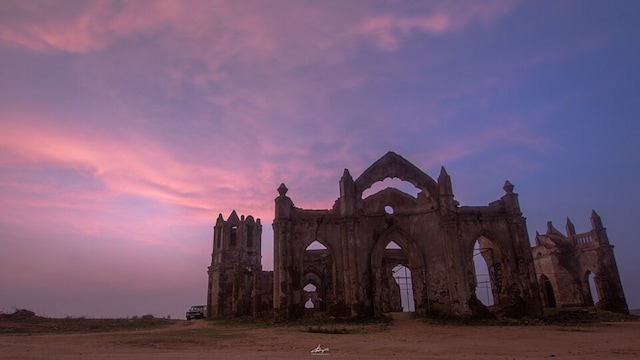
6 / 8Shettihalli Rosary Church, Karnataka | Built in the 1860s by French missionaries, this Gothic-style church became partially submerged after the construction of the Hemavathi Dam. During monsoon months, rising water levels surround the structure, leaving it partially underwater and creating a striking visual of a “floating” ruin. (Image: Wikimedia)
 7 / 8
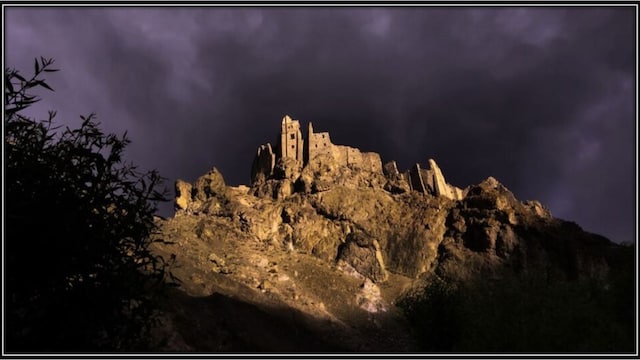
7 / 8Chiktan Fort, Ladakh | Situated in Kargil district, Chiktan Fort is a historic structure now largely in ruins. Once an important local stronghold, it has suffered centuries of decay. The remaining walls still overlook the surrounding mountainous terrain, reflecting the region’s architectural and strategic history. (Image: Wikimedia)
 8 / 8
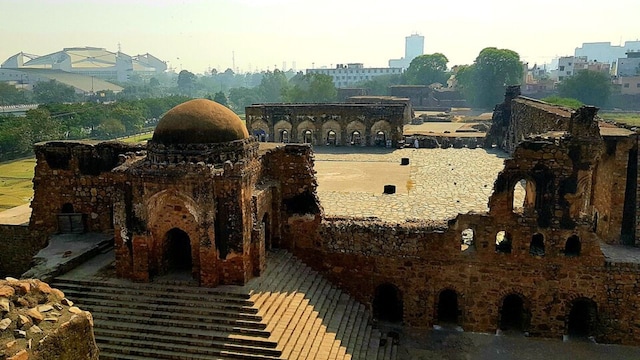
8 / 8Feroz Shah Kotla, Delhi | Built in the 14th century by Sultan Feroz Shah Tughlaq, this fort complex now exists as ruins within central Delhi. The site is also known for long-standing local beliefs in jinns, with some visitors still participating in ritual practices such as leaving notes and offerings. These traditions are part of local folklore associated with the monument. (Image: Wikimedia)