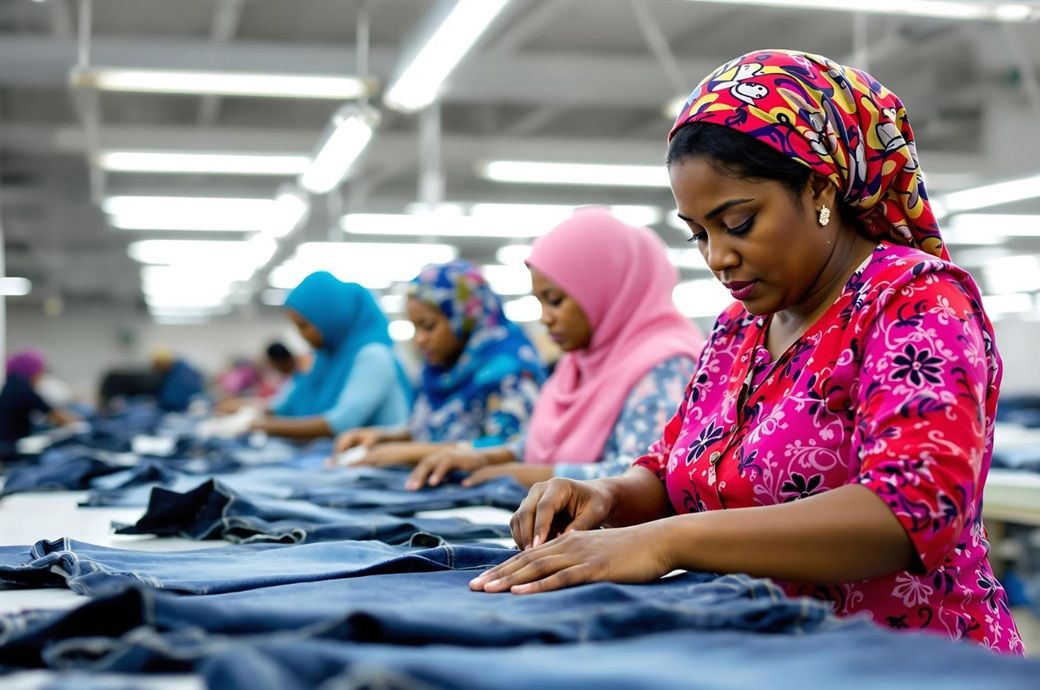

TexPro data showed India exported $***.* million of embroidery in ****, up more than ** per cent from the previous year. Italy and France bought $**.* million between them, meaning that more than one-third of India’s recorded embroidery exports flowed to the two countries most closely associated with European luxury-fashion production.
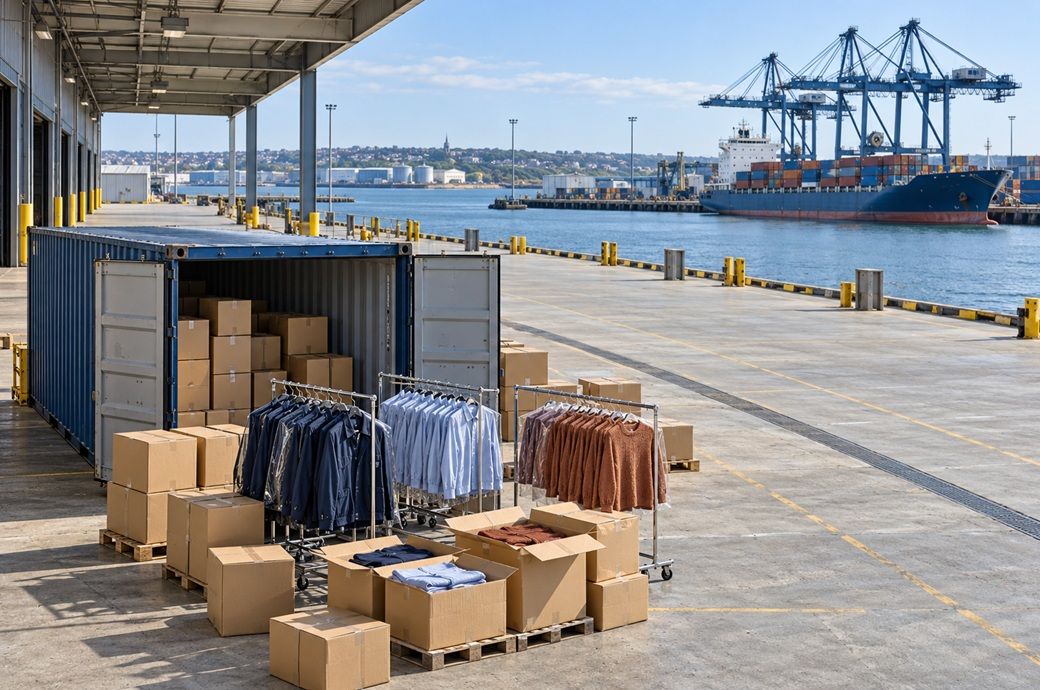
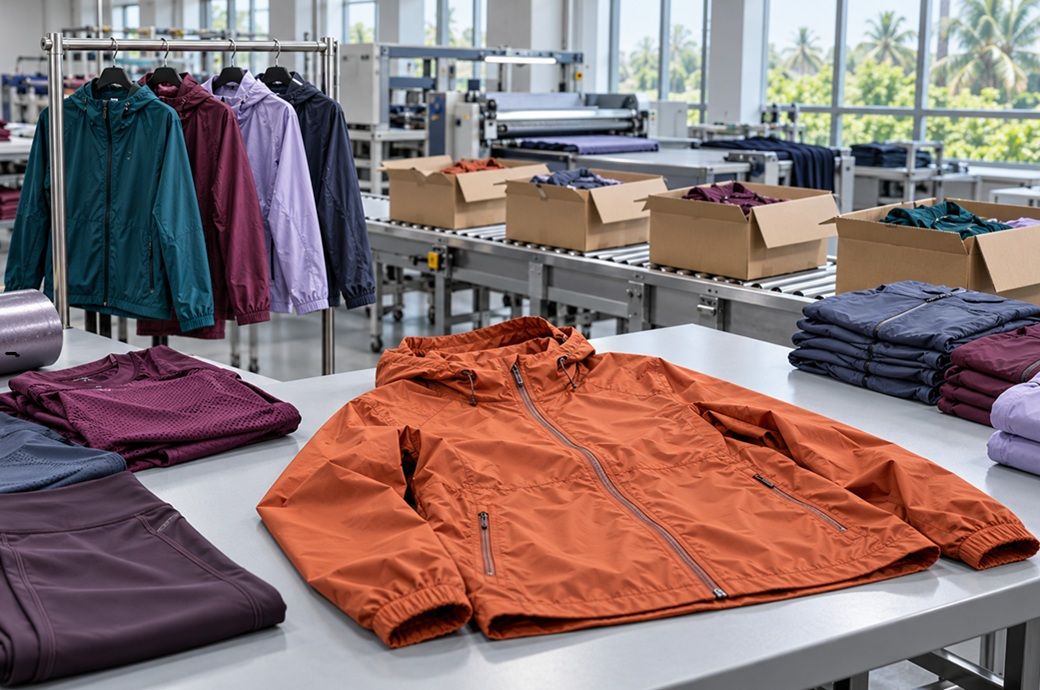
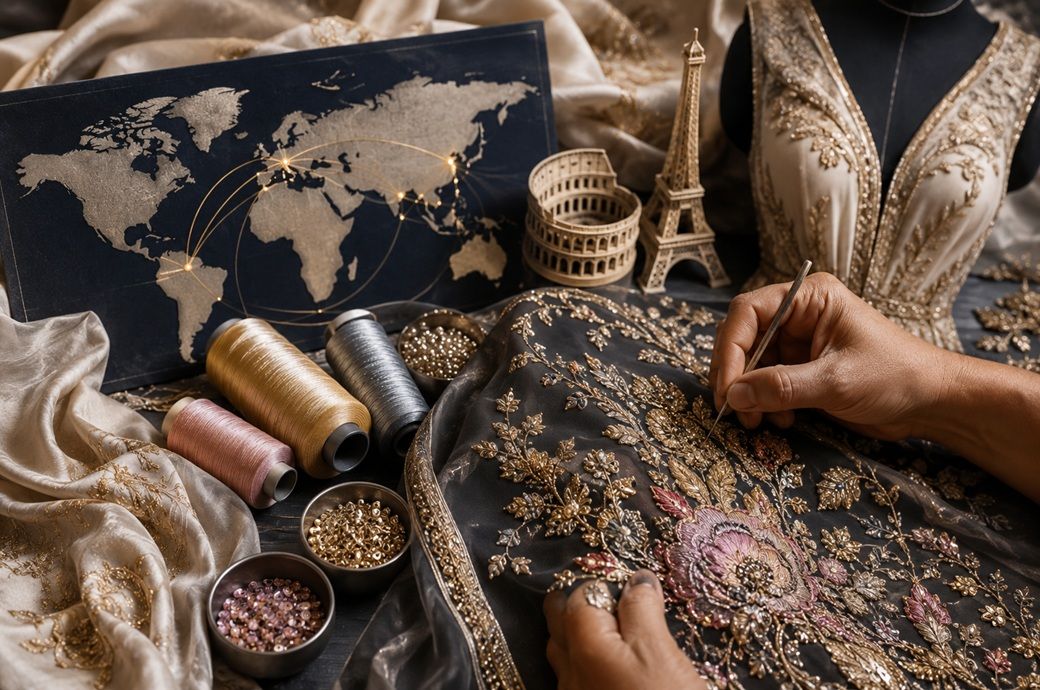
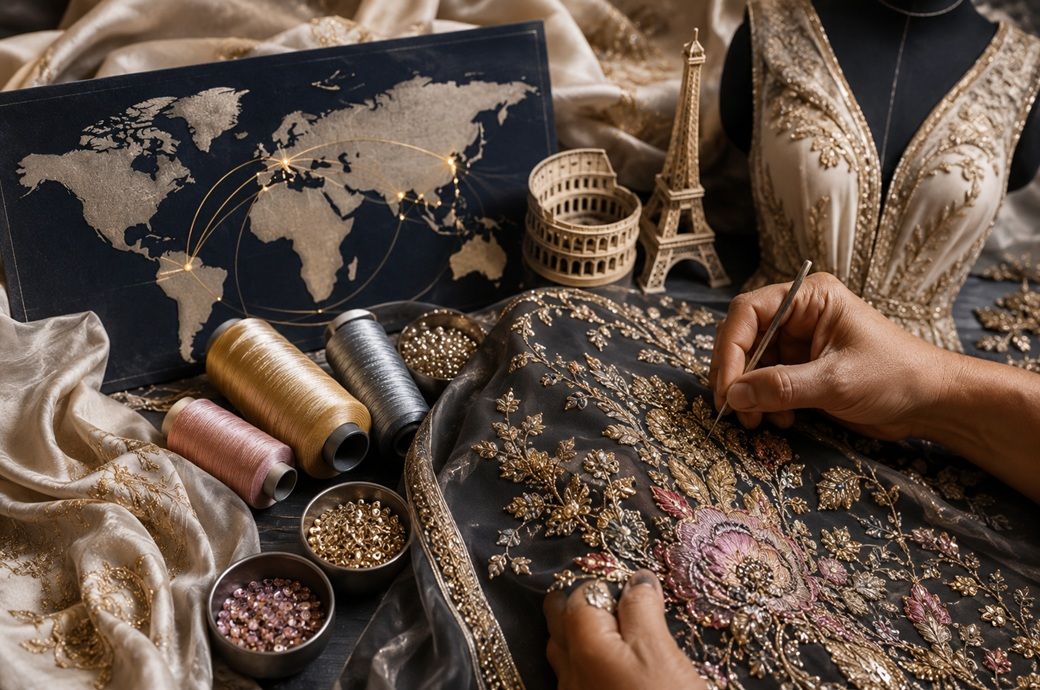
Yet the Indian origin of that craftsmanship can become almost invisible once the embroidery enters the luxury supply chain. Motifs, embellished fabrics and garment panels may be produced in India before undergoing qualifying cutting, sewing and construction in Europe. The completed garment can then legally acquire French or Italian origin, allowing the label to identify where production ended without revealing where some of its most intricate and labour-intensive work was done. EU textile rules require fibre-composition information, while customs origin generally depends on the location of the last substantial transformation.
That gap between production and recognition is now drawing greater scrutiny. Against this evidence, the Financial Times’ July * report becomes relevant. Maximiliano Modesti, owner of Mumbai-based Les Ateliers *M estimated that India produces **–** per cent of embroidery used in luxury ready-to-wear. No audited global dataset confirms that share, so it must remain an attributed industry estimate, not an official market statistic but the TexPro figures give the wider claim substance: India has a large, fast-growing embroidery-export industry, and an unusually high share of its trade is already directed towards Europe’s luxury-manufacturing centres.
The issue, therefore, is not whether every European origin label is inaccurate. It is whether a label that names only the final manufacturing country tells consumers enough about who created the craftsmanship, on which luxury’s value—and pricing—depends.