
The world’s top 50 apparel brands lost 4 per cent of combined brand value in 2026, falling to $350.9 billion amid macroeconomic uncertainty, evolving trade dynamics and changing consumer expectations, the report showed. The gap between the global decline and the US drop gives retail buyers, sourcing teams and brand partners a comparative indicator of consumer-facing brand resilience.
US retained the largest presence in the Apparel 50 2026 ranking, with 12 brands valued at a combined $68.8 billion.
Their value slipped 1 per cent, versus a 4 per cent fall for the global top 50 to $350.9 billion.
Nike stayed third globally, while Tiffany & Co. led US growth and Levi’s drew attention with World Cup marketing.
Retail sourcing teams gain a benchmark on demand resilience.
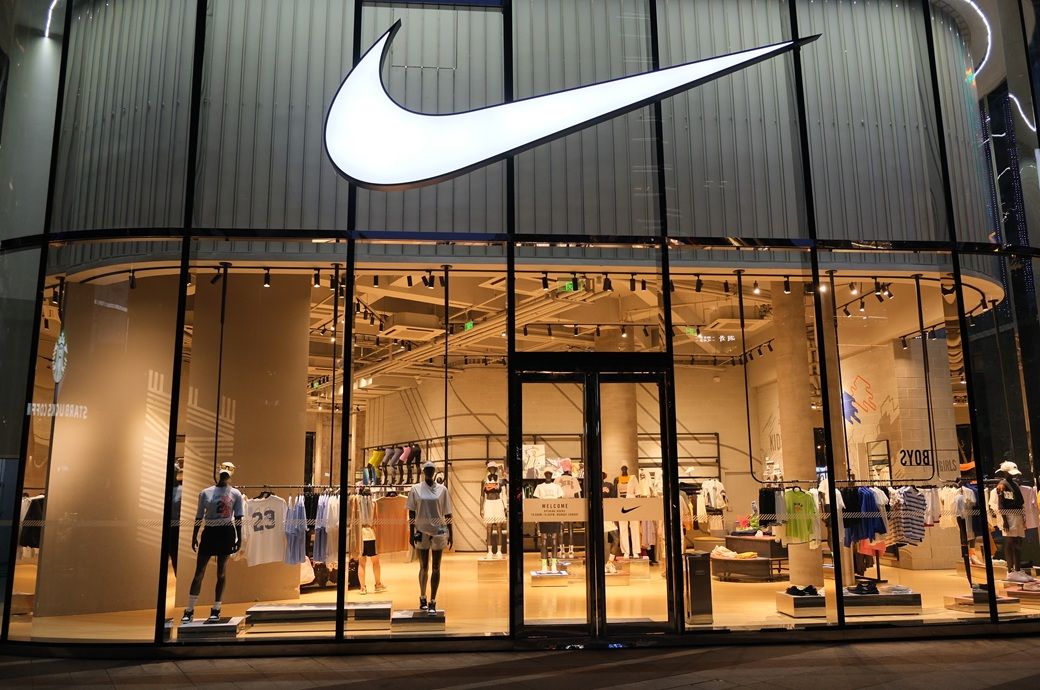
Brand valuation consultancy Brand Finance said, that Nike remained the world’s third most valuable apparel brand, behind Chanel and Louis Vuitton, despite a 7 per cent fall in brand value to $27.3 billion. Nike also ranked as the second strongest apparel brand, with a Brand Strength Index (BSI) score of 89.9 out of 100, down 4.8 points, while maintaining an AAA+ rating.
Adidas moved in the opposite direction, with brand value up 2 per cent to $18.9 billion and a seventh-place global rank, Brand Finance said in a press release.
Tiffany & Co. was described by Brand Finance as the fastest-growing US apparel brand by brand value in 2026, rising 16 per cent.
The release’s summary put Tiffany & Co.’s brand value at $8.6 billion, while its detailed text stated $8.7 billion; it ranked the luxury jeweller 12th globally and second among US brands.
Levi’s brand value declined 8 per cent to $2.9 billion, ranking 32nd globally among the top 50, Brand Finance said. Since the valuation date, FIFA’s “clean venue” policy for the 2026 World Cup required Levi’s Stadium to cover its batwing logo and compete under the name San Francisco Bay Area Stadium for the tournament.
Levi’s responded by changing its Instagram profile picture to an image of its covered logo and draping matching white sheets over landmark sites in Paris, London and Hong Kong, according to Brand Finance. Nike, meanwhile, continued to invest heavily in football after the valuation date through its “Rip the Script” campaign, a six-minute, Hollywood-style film built around the 2026 FIFA World Cup.
The Nike film featured footballers including Kylian Mbappé, Erling Haaland and Cristiano Ronaldo, alongside entertainment figures Kim Kardashian, Channing Tatum and Ted Lasso. Brand Finance said the campaign’s reach beyond core sports audiences into wider pop culture is the type of activity it will watch for impact on brand value and strength in the 2027 ranking.
Laurence Newell, executive chairman, Americas, Brand Finance said: “Football remains one of the most competitive battlegrounds in global sportswear, and Nike’s ‘Rip the Script’ campaign is a clear response to the ground Adidas has been making up around the World Cup. Neither campaign is reflected in this year’s valuations, but the fight for cultural relevance in football is exactly the kind of activity that will shape future brand perceptions.
“Levi’s offers a different lesson. Forced to cover its own logo under FIFA’s clean-venue rules, the brand has turned the restriction into a guerrilla marketing moment, leaning into the censorship rather than fighting it. It’s a reminder that brand value is not built through spend; a well-timed piece of wit from a nearly 150-year-old company can generate outsized attention. Whether that translates into measurable brand strength and value gains is something we’ll be watching for.”
Fibre2Fashion News Desk