
Every winter, millions of winged visitors travel along the Central Asian Flyway to escape sub-zero Arctic and Siberian freezes. As wetlands and coasta…
 1/10
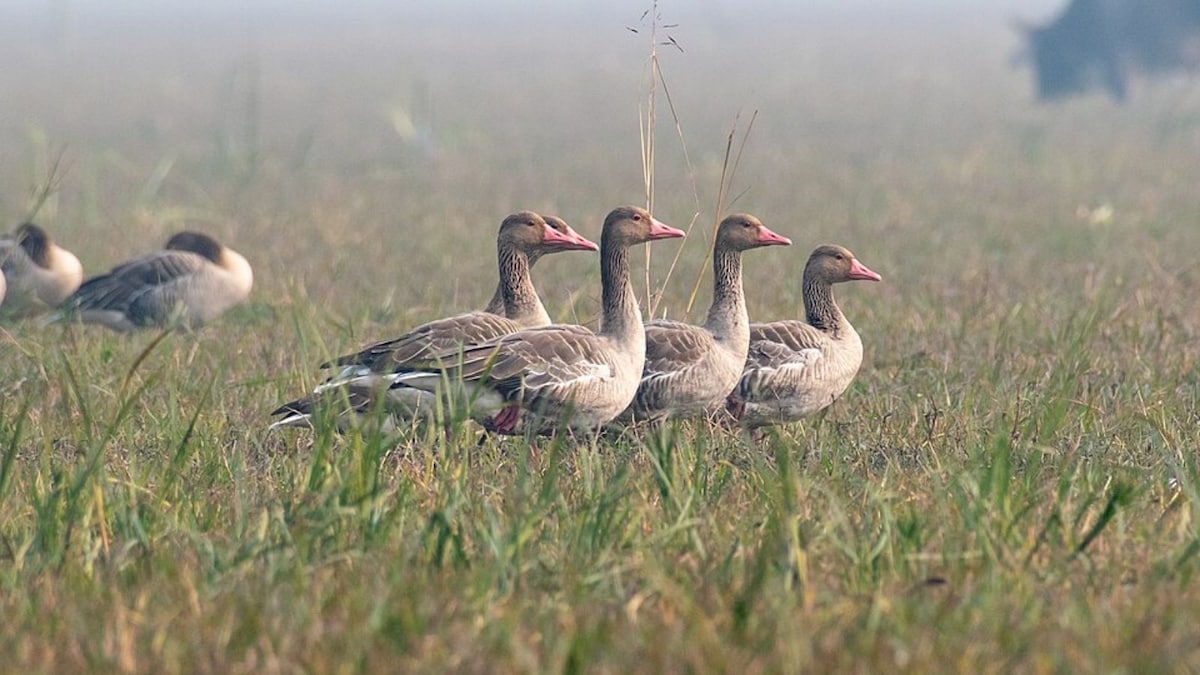
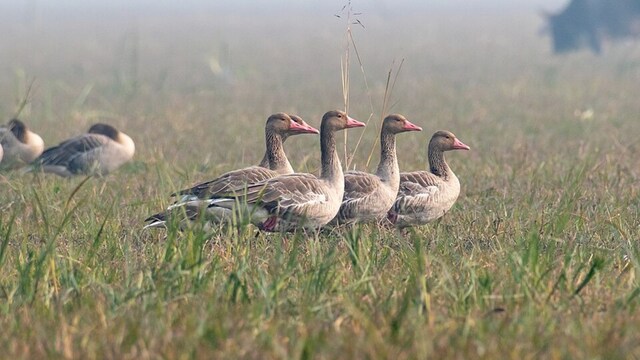
Keoladeo National Park, Bharatpur (Rajasthan) | The shallow freshwater marshes of this UNESCO World Heritage Site host thousands of waterfowl escaping severe freezes in Siberia, Mongolia, and the Tibetan Plateau. By late November, species like bar-headed geese, greylag geese, northern pintails, and northern shovelers congregate in dense feeding flocks across submerged acacia and kadam trees. (Image source: Wikimedia Commons)
 2/10
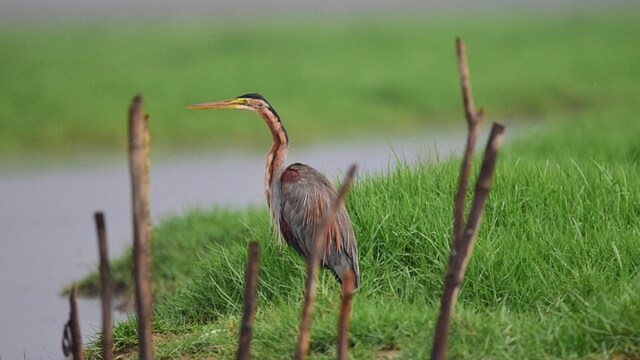
Mangalajodi, Chilika Lake (Odisha) | Situated on the northern fringes of Chilika Lake, Mangalajodi serves as a prime winter terminus for long-distance waders migrating from Russia, Lake Baikal, and the Caspian basin. Hand-paddled wooden catamarans allow visitors to navigate narrow channels filled with over 1.5 lakh black-tailed godwits, garganeys, ruffs, and northern pintails. (Image source: Wikimedia Commons)
 3/10
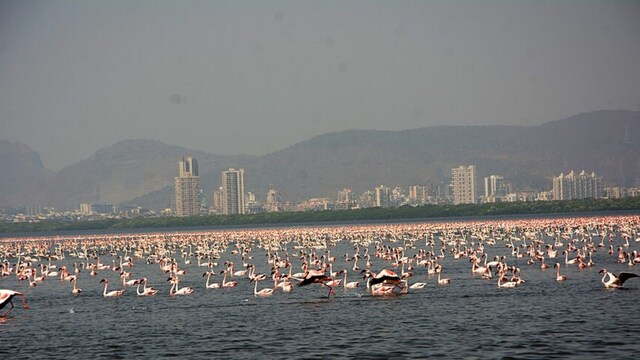
Thane Creek Flamingo Sanctuary, Mumbai (Maharashtra) | Between late November and December, tidal mudflats along the creek turn into pink carpets as greater flamingos from coastal Iran and Central Asia join lesser flamingo populations. The feeding grounds also attract long-distance Palearctic shorebirds, including pied avocets, Eurasian curlews, and bar-tailed godwits arriving via coastal flyways. (Image source: Wikimedia Commons)
 4/10
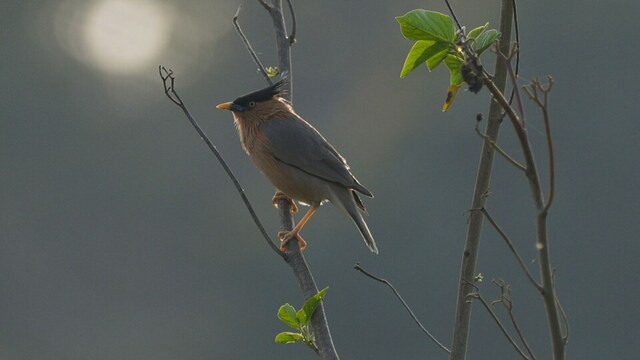
Pong Dam Lake, Kangra (Himachal Pradesh) | Formed over the Beas River against the snow-capped Dhauladhar range, this high-altitude wetland receives India’s largest wintering congregation of bar-headed geese. Having crossed Himalayan altitudes exceeding 20,000 feet from breeding grounds in Tibet, Mongolia, and Central Asia, over 40,000 geese, along with Eurasian wigeons and red-crested pochards, settle here by early December. (Image source: Wikimedia Commons)
 5/10
Little Rann of Kutch (Gujarat) | The cracked clay pans and seasonal water bodies of the Little Rann become wintering grounds for demoiselle cranes travelling south from the steppes of Mongolia and Kazakhstan. The arid landscape also hosts common cranes from northern Europe, greater flamingos, and desert wheatears that peak in late autumn and early winter. (Image source: Wikimedia Commons)
 6/10
Harike Wetland, Tarn Taran (Punjab) | Located at the confluence of the Beas and Sutlej rivers, Harike serves as the primary northern gateway stopover on the Central Asian Flyway. By early December, diving ducks including common pochards, tufted ducks, and northern shovelers arrive from breeding grounds across northern Eurasia and the Siberian tundra to blanket open water channels. (Image source: Wikimedia Commons)
 7/10
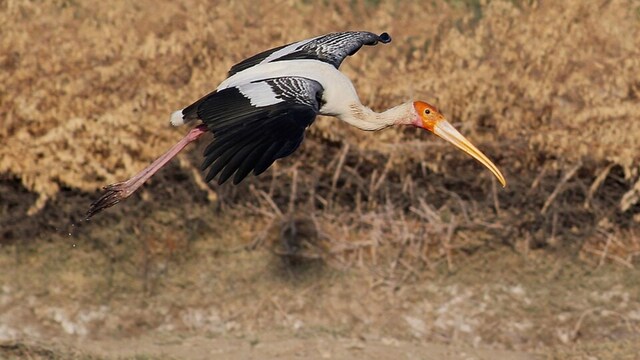
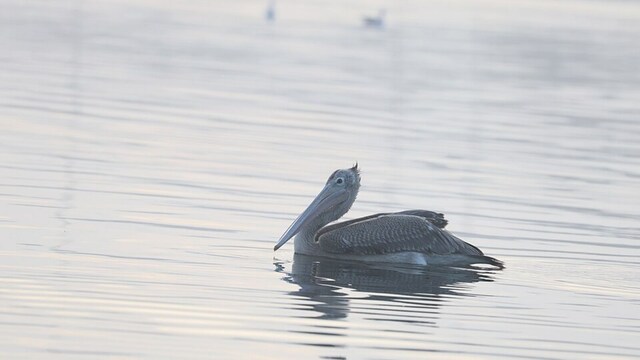
Pulicat Lake (Andhra Pradesh & Tamil Nadu) | Following the arrival of the northeast monsoon, this expansive brackish lagoon fills with algae and nutrients, drawing thousands of greater flamingos from Central Asia and coastal Iran. The mudflats also attract large feeding flocks of spot-billed pelicans, painted storks, and long-distance Arctic migrants like curlew sandpipers. (Image source: Wikimedia Commons)
 8/10
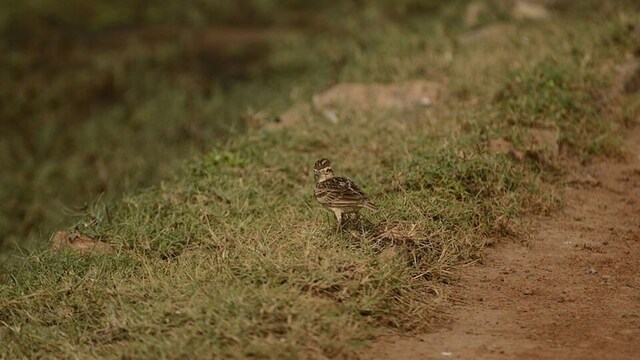
Sultanpur National Park, Gurugram (Haryana) | The shallow freshwater pans and seasonal reed beds of Sultanpur offer an accessible winter sanctuary for waterfowl escaping the Siberian and Eastern European cold. Species like northern pintails, common teals, Eurasian wigeons, and gadwalls reach maximum operational density here between late November and late December. (Image source: Wikimedia Commons)
 9/10
Point Calimere Wildlife and Bird Sanctuary, Kodiakkarai (Tamil Nadu) | Marking the southernmost mainland terminus for Arctic waders along the Central Asian Flyway, Point Calimere’s tidal flats flood after post-monsoon rains in late November. The saltpans fill with dense concentrations of red knots, great knots, curlew sandpipers, and Caspian terns originating from high-latitude Arctic breeding tundras. (Image source: Wikimedia Commons)
 10/10
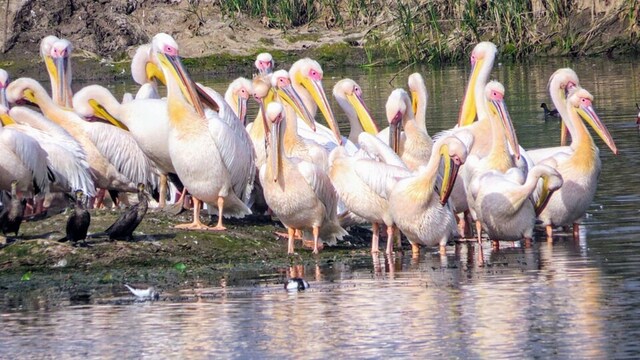
Khijadiya Bird Sanctuary, Jamnagar (Gujarat) | Khijadiya features an imperial-era earthen bund that divides freshwater marshlands on one side from marine mangrove mudflats on the other. This unique dual ecosystem hosts Dalmatian pelicans, great crested grebes, and black-necked storks fleeing freezing conditions in the Caspian Sea basin and Central Asian highlands throughout December. (Image source: Wikimedia Commons)