
Several global destinations make finding dairy- and meat-free meals simple. Whether shaped by long-standing Buddhist culinary traditions, native stapl…
 1/7
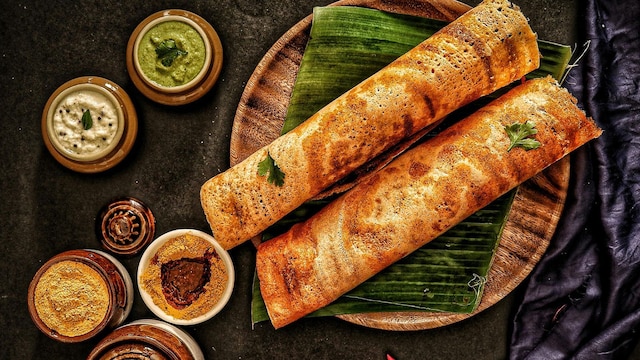
India | While India’s green vegetarian dot makes avoiding meat simple, standard menus routinely incorporate dairy staples like ghee, paneer, and curd. Bengaluru regularly tops national indexes for its density of dedicated plant-based cafes and alternative-dairy brands, with Mumbai and Goa’s coastal belt following closely. For coastal and heritage holidays, the Union Territory of Puducherry and neighbouring Auroville provide a reliable cluster of plant-based food spots shaped by their international expat community. Outside the modern cafe scene, traditional regional cooking in Kerala remains largely dairy-free by default, relying primarily on coconut milk, coconut oil, and rice-based staples.
 2/7
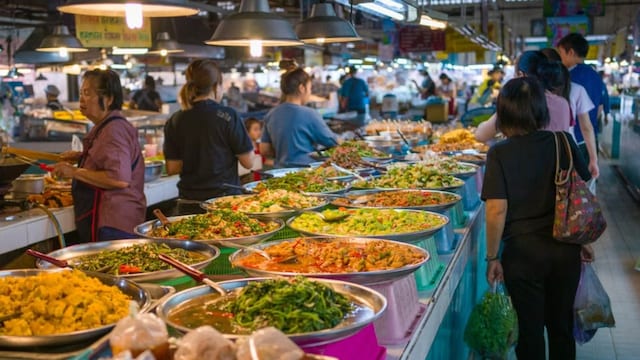
Thailand | Standard Thai street food can present hurdles for plant-based travellers due to the widespread use of fish sauce and shrimp paste in basic broths. However, in cultural hubs like Chiang Mai and across Bangkok, travellers only need to look for bright yellow flags printed with red Thai characters. These stalls cook without any animal products, fish broths, or eggs, serving plant-based versions of khao soi (northern coconut curry noodles), spicy glass noodle salads, crispy oyster mushroom fritters, and classic mango sticky rice. (Image source: Pexels)
 3/7
Taiwan | Taiwan provides one of the most transparent, legally regulated food environments in East Asia for plant-based dining. Because over 13% of the population follows Buddhist dietary practices, government regulations strictly mandate clear classification on restaurant menus and packaged food, clearly stating whether items contain dairy, egg, or pungent aromatics. In Taipei, as well as historic cultural hubs like Tainan, travellers can head straight into popular night markets like Raohe or Shilin. Stalls displaying the Buddhist ‘wan’ symbol serve steamed vegetable bao, braised bamboo shoots, savoury scallion cakes, and deep-fried king oyster mushrooms, while high-speed rail stations across the island reliably stock plant-based bento boxes. (Image source: Pexels)
 4/7
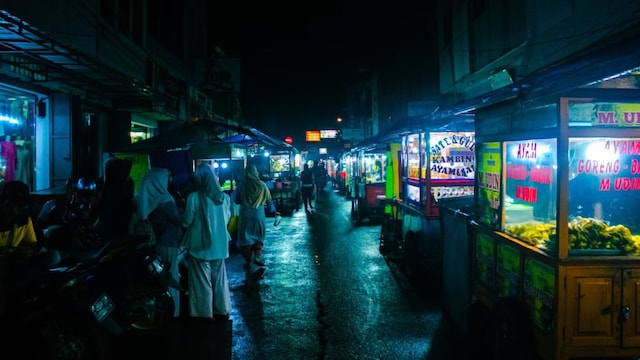
Indonesia | Beyond its surf breaks, volcanic landscapes, and temples, Indonesia is the native home of tempeh—a whole fermented soybean staple that has anchored local cooking for centuries. On the island of Bali, hubs like Ubud and Canggu host an exceptionally dense network of plant-forward cafes, whole-food smoothie bars, and dairy-free bakeries. On the mainland in Java (around Yogyakarta) or across Lombok, travellers can easily eat from traditional roadside food stalls: ordering classic staples like gado-gado (steamed vegetables, tofu, and tempeh with peanut sauce) or nasi campur simply requires asking for no egg or shrimp paste. (Image source: Pexels)
 5/7
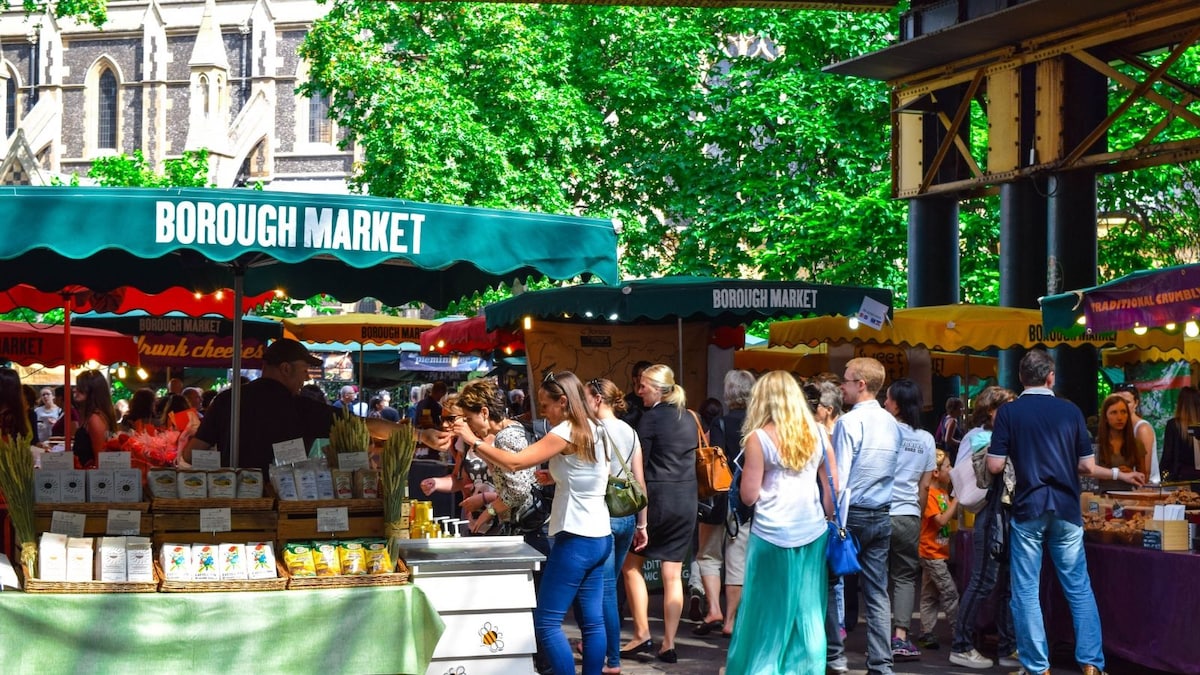
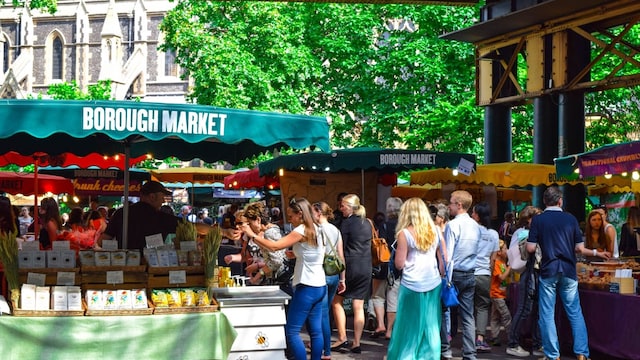
United Kingdom | The UK’s mainstream dining scene integrates plant-based dining more thoroughly than almost anywhere else in Western Europe. Travellers visiting London for museum circuits or West End theatre don’t need to hunt down speciality health-food joints; high-street bakeries, grocery stores, and historic pubs nationwide carry clearly labelled, dedicated vegan options. In London, market hubs like Borough Market and Camden Market feature entirely plant-based savoury pies, burgers, and patisseries. An hour south by train, the coastal city of Brighton pairs seaside walks and independent shopping lanes with one of Britain’s highest concentrations of independent vegan cafes, pizza spots, and pubs serving vegetable-gravy Sunday roasts. (Image source: Pexels)
 6/7
Germany | Germany’s travel routes—spanning historic Cold War sites, city parks, and museum quarters—are backed by an established plant-based food network. The heart of this scene is Berlin, where neighbourhoods like Prenzlauer Berg, Friedrichshain, and Kreuzberg are packed with zero-waste bakeries, dairy-free dessert shops, and plant-based versions of local street food like currywurst and seitan döner kebabs. Outside the capital, major cultural stops like Cologne, Hamburg, and Leipzig make cross-country rail travel straightforward, with national ICE train bistros stocking dedicated oat milk and plant-based sandwiches at station stops. (Image source: Pexels)
 7/7
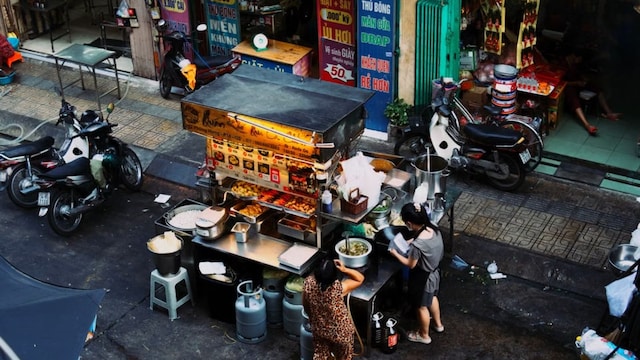
Vietnam | For travellers heading to Vietnam for Ha Long Bay cruises or heritage walks in Hoi An, plant-based dining comes down to ‘Ăn Chay’. Rooted in Mahayana Buddhist traditions where locals eat plant-based on the 1st and 15th days of the lunar calendar, thousands of dedicated vegetarian and vegan diners operate across Hanoi, Da Nang, and Ho Chi Minh City. These everyday neighbourhood eateries cook without fish sauce, serving hearty bowls of mushroom-and-star-anise phở, fresh herb-packed summer rolls with peanut dipping sauce, and crisp bánh mì stuffed with lemongrass-marinated tofu and pickled daikon. (Image source: Pexels)