
Forget the single-resort getaway—these destinations offer island hopping on an unmatched scale. From Scandinavian ferry routes and remote Arctic outpo…
 1/7
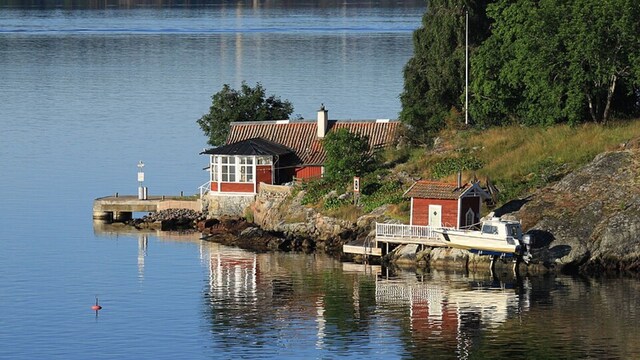
Sweden (267,570 Islands) | Holding the world record for the highest number of islands, Sweden counts 267,570 within its borders, according to official data from Statistics Sweden (SCB). This vast archipelago network is tailor-made for summer exploration thanks to the country’s ‘allemansrätten’ (right to roam), which allows public camping across uninhabited islets. The most accessible hub is the Stockholm Archipelago, where historic passenger ferries connect the capital to roughly 30,000 rocky islands, offering seaside saunas, red wooden cabins, and kayak routes. (Image source: Wikimedia Commons)
 2/7
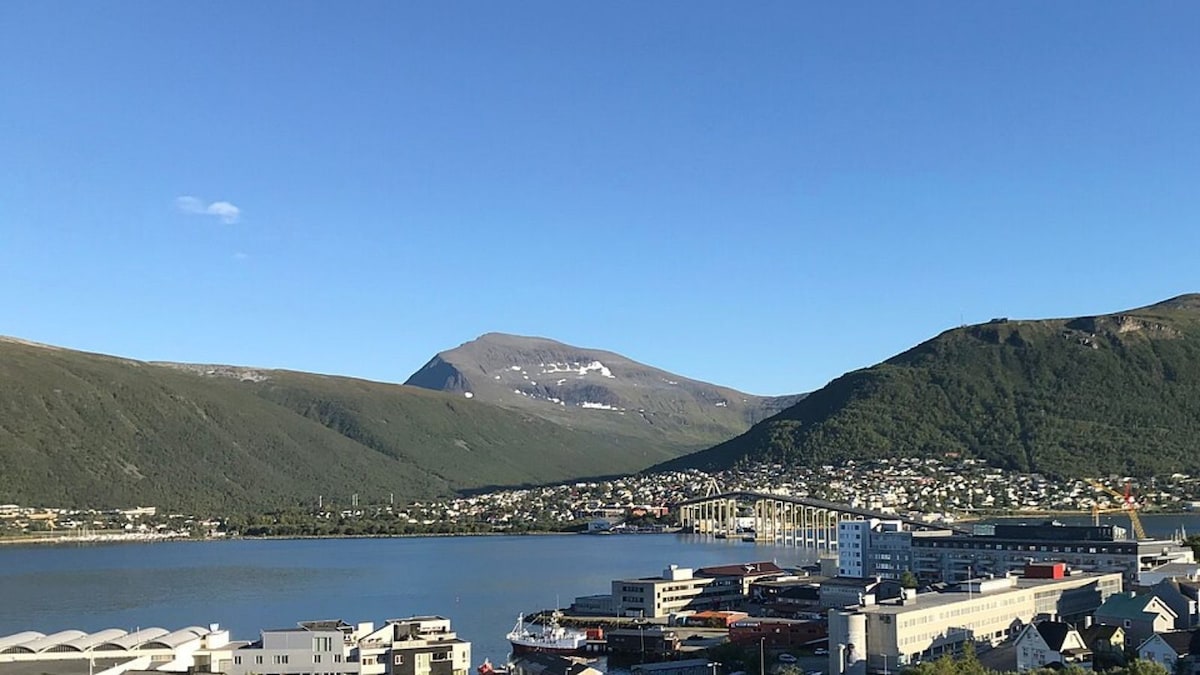
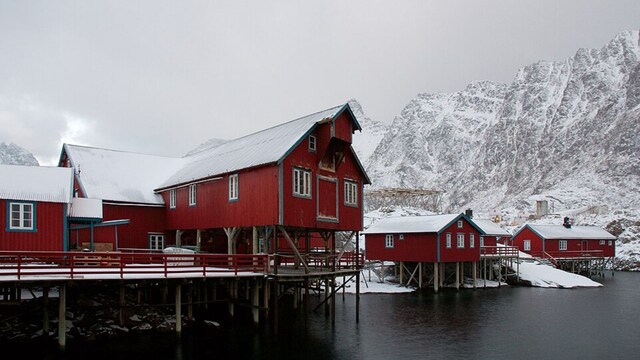
Norway (239,057 Islands) | Norway ranks second globally with 239,057 islands, according to the Norwegian Mapping Authority. Glacial erosion carved its western and northern shores into a sprawling skerry guard, creating some of Europe’s most dramatic coastal routes. Travellers flock here to road-trip across the Lofoten and Vesterålen archipelagos—where road bridges and car ferries link jagged granite peaks, traditional red fishermen’s rorbuer huts, and Arctic surf beaches. (Image source: Wikimedia Commons)
 3/7
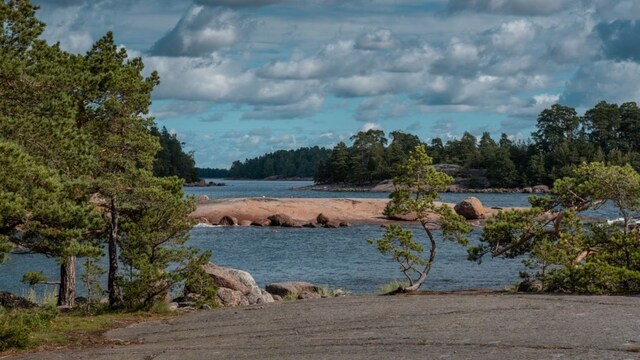
Finland (178,947 Islands) | According to Statistics Finland, the country records 178,947 islands across its coastal waters and lake systems. Its crown jewel for travellers is the Southwestern Archipelago Sea, home to the world’s largest concentration of islands in a single archipelago. Outdoor enthusiasts can cycle the 250-kilometre Archipelago Trail across bridges and free inter-island car ferries, hop between maritime lighthouses, or rent secluded lakeside cottages on Lake Saimaa. (Image source: Pexels)
 4/7
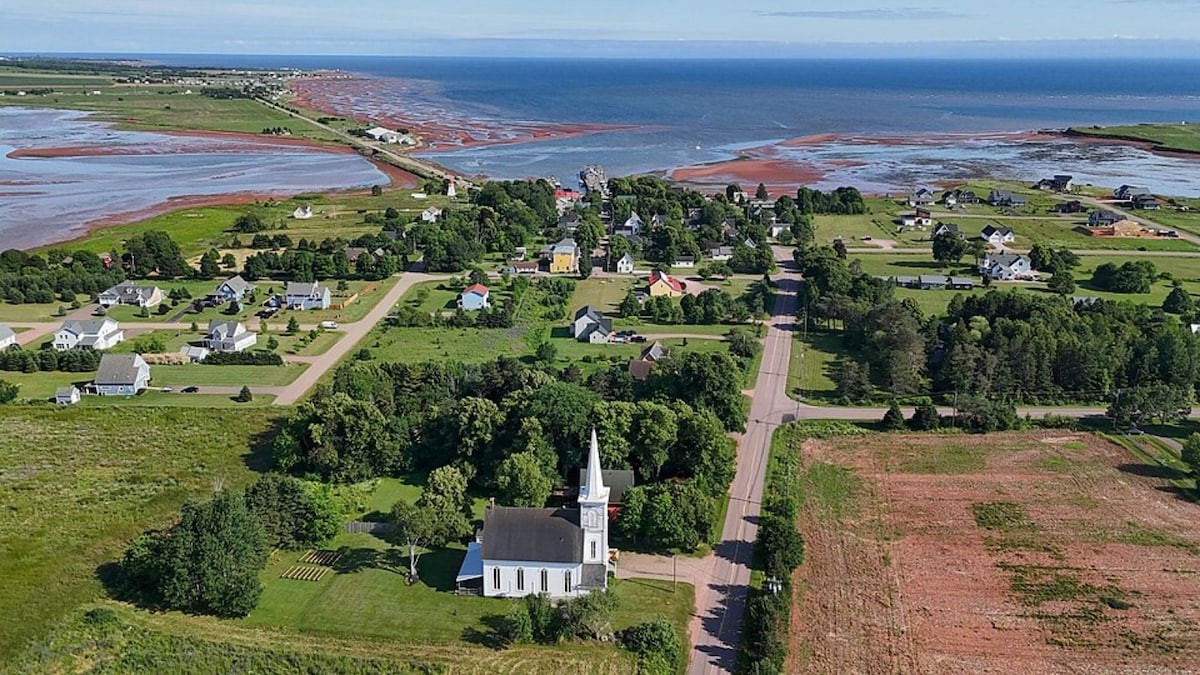
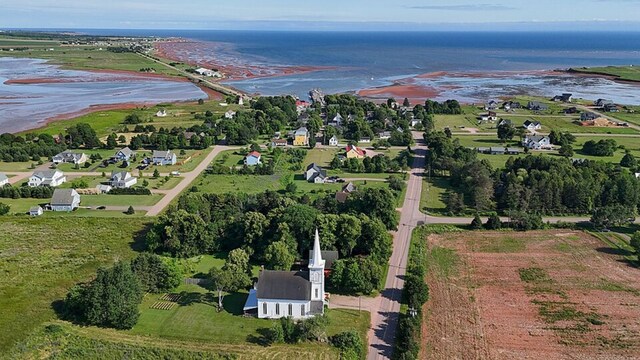
Canada (52,455 Islands) | Boasting the world’s longest coastline, Canada records approximately 52,455 islands across three oceans, according to Natural Resources Canada (NRCan). While the northern Canadian Arctic Archipelago draws intrepid polar cruisers, the country’s Pacific and Atlantic edges offer accessible coastal road trips. (Image source: Wikimedia Commons)
 5/7
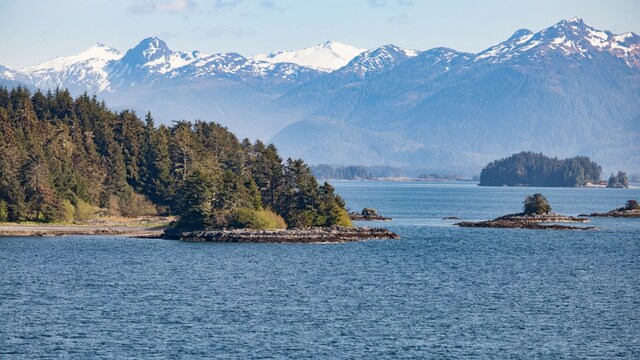
United States (18,617 Islands) | The United States records 18,617 recognised islands, according to listings from the US Geological Survey (USGS). The diversity makes for radically different holiday styles: wilderness cruises through Alaska’s forested Alexander Archipelago, tropical beach getaways and volcano hikes across Hawaii’s Pacific chain, or scenic road trips along the Overseas Highway through the coral atolls of the Florida Keys. (Image source: Canva)
 6/7
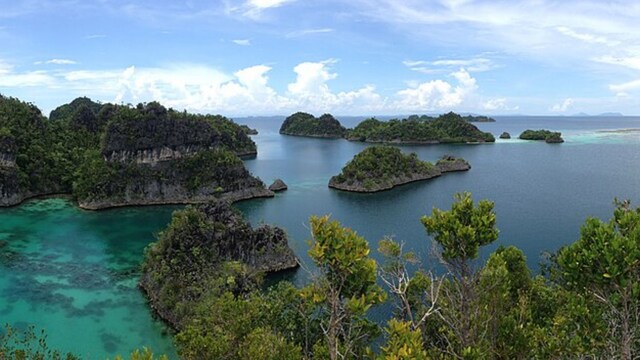
Indonesia (17,508 Islands) | Indonesia is the world’s largest archipelagic state, spanning over 5,000 kilometres along the equator, with 17,508 officially registered islands according to the Coordinating Ministry for Maritime Affairs and Investment. Travellers visit to dive among the rich coral reefs of Raja Ampat, track Komodo dragons across rugged savanna islands in Komodo National Park, or experience the distinct cultures of Bali, Lombok, and Sumatra. (Image source: Wikimedia Commons)
 7/7
Japan (14,125 Islands) | Following a 2023 digital mapping recount by the Geospatial Information Authority of Japan, the country’s official tally rose to 14,125 islands. Beyond the four main transport hubs—Honshu, Hokkaido, Kyushu, and Shikoku—travellers frequently explore the Seto Inland Sea by cycling across the island-spanning Shimanami Kaido bridge route or visiting Naoshima’s open-air art installations, while the southern subtropical islands of Okinawa offer white-sand beaches, coral diving, and distinct regional cuisine. (Image source: Wikimedia Commons)