
The surface of our planet is a living archive of violent celestial collisions, explosive volcanic events, and relentless tectonic forces. Across hundr…
 1/10
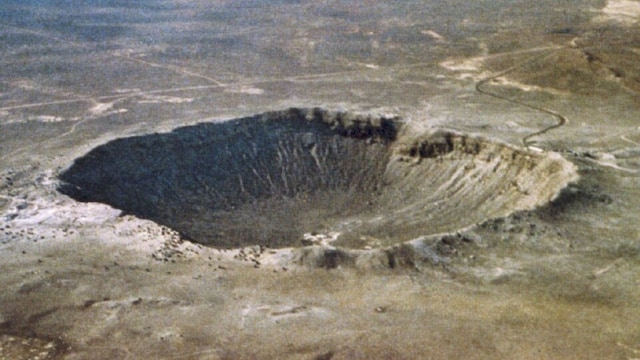
Meteor Crater (Barringer Crater), Arizona, USA | Gouged roughly 50,000 years ago when a 30-to-50-metre iron-nickel asteroid slammed into the Colorado Plateau at 12–20 km/s, this 1.2-kilometre-wide, 170-metre-deep bowl is the best-preserved meteorite impact site on Earth. A privately run US National Natural Landmark just off Interstate 40, visitors can view the crater from paved rim lookouts and explore an interactive discovery centre and 4D cinema. (Image source: Wikimedia Commons)
 2/10
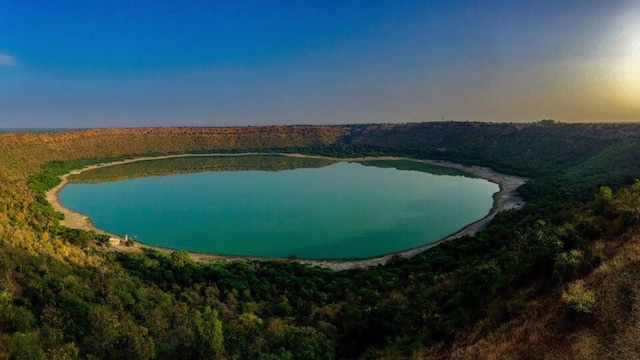
Lonar Lake, Maharashtra, India | Set within the volcanic Deccan Traps in Buldhana, Lonar is the planet’s best-preserved impact crater formed in basalt (and one of only four known worldwide). Created by a hypervelocity celestial impact that carved a 1.8-kilometre-wide, 150-metre-deep basin, this protected wildlife sanctuary allows travellers to descend ancient stone staircases through deciduous forest and 12th-century Chalukyan temple ruins down to a hyper-alkaline lake shore. (Image source: Wikimedia Commons)
 3/10
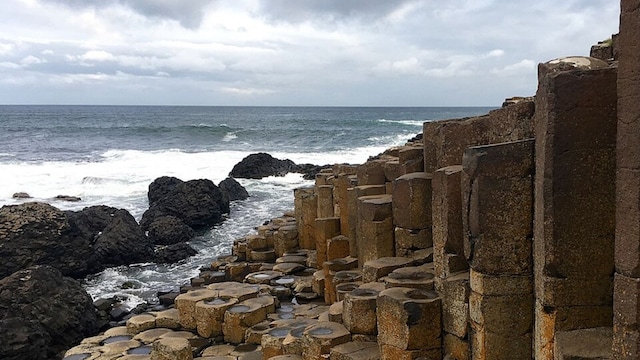
Giant’s Causeway, County Antrim, Northern Ireland | Inscribed as a UNESCO World Heritage Site in 1986, this dramatic coastal formation features roughly 40,000 interlocking polygonal basalt columns. The geometric pillars formed 50 to 60 million years ago during the Palaeocene epoch when a subterranean volcanic lava lake cooled and cracked vertically. Managed by the National Trust, travellers can hike right across the basalt stones or follow paved cliff-top walking paths linked to the visitor centre. (Image source: Wikimedia Commons)
 4/10
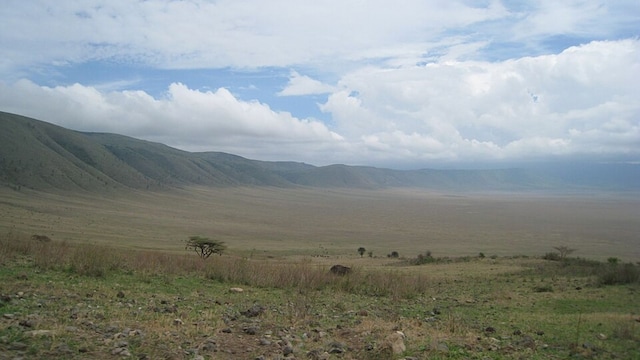
Ngorongoro Crater, Arusha Region, Tanzania | A UNESCO World Heritage Site since 1979 (and part of the Serengeti-Ngorongoro Biosphere Reserve), Ngorongoro is the world’s largest intact, unflooded volcanic caldera, spanning over 260 square kilometres. Formed two to three million years ago when a giant volcano collapsed inward, its 600-metre-deep bowl forms a thriving wildlife haven accessible via licensed 4×4 safari vehicles that descend daily down steep gravel switchbacks. (Image source: Wikimedia Commons)
 5/10
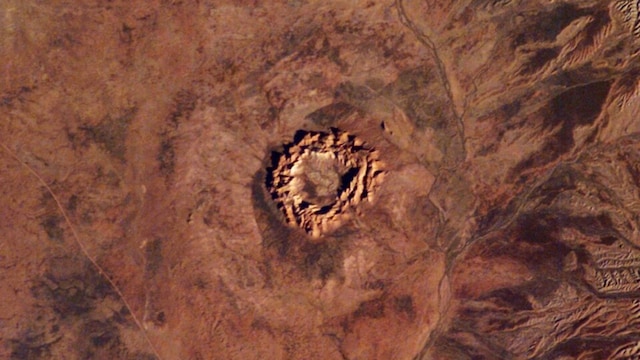
Tnorala (Gosses Bluff), Northern Territory, Australia | Located 175 kilometres west of Alice Springs along the Red Centre Way, this site marks a cosmic impact from roughly 142 million years ago that blasted an original crater over 20 kilometres wide. While millions of years of erosion stripped the outer rim, a 180-metre-high central ring of shattered sandstone remains. The reserve is accessible via high-clearance vehicle, complete with signposted interpretive walking tracks maintained with Western Arrernte traditional owners. (Image source: Wikimedia Commons)
 6/10
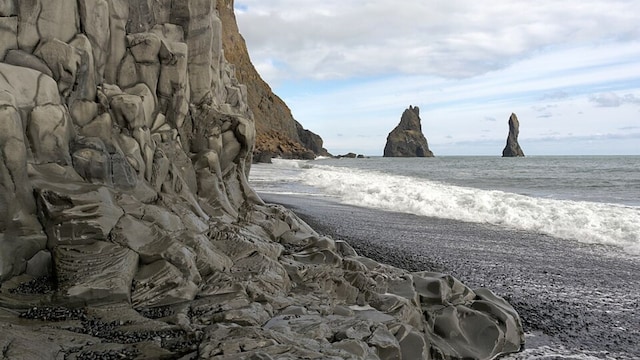
Reynisfjara & Reynisdrangar, Vík í Mýrdal, Iceland | Protected as a key geosite within the Katla UNESCO Global Geopark, Reynisfjara sits right off the paved Route 1 Ring Road. The beach is carpeted in black basalt sand formed by explosive subglacial volcanic eruptions, set beneath the stepped columnar basalt cliffs of Mount Reynisfjall and the offshore Reynisdrangar sea stacks (eroded volcanic plugs). It is fully accessible year-round with dedicated parking, a café, and marked safety boardwalks. (Image source: Wikimedia Commons)
 7/10
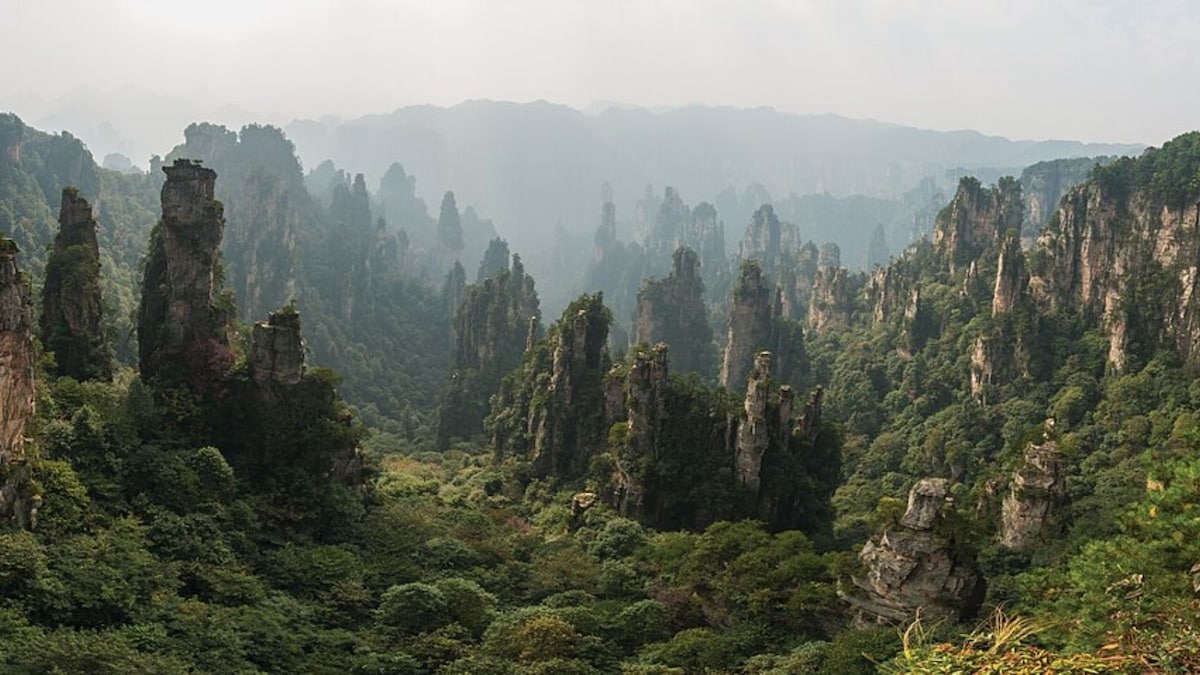
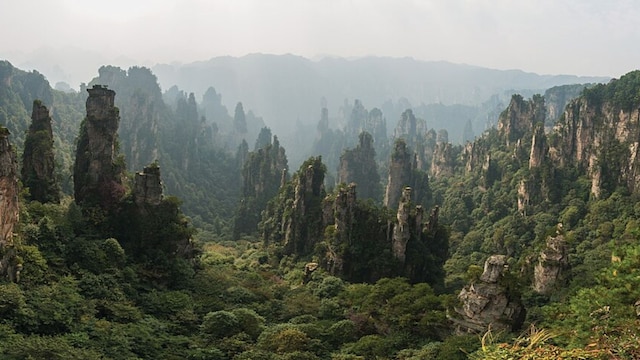
Wulingyuan & Zhangjiajie, Hunan, China | Inscribed as a UNESCO World Heritage Site in 1992 and a UNESCO Global Geopark in 2004, this forest park features more than 3,000 quartz-sandstone pillars soaring 200 to 400 metres high, chiselled by tectonic uplift and millions of years of joint weathering. Famous as the visual inspiration for the floating mountains in James Cameron’s Avatar, the park offers state-of-the-art tourist transit, including cable cars, paved canyon boardwalks, and the 326-metre glass Bailong Elevator built directly up a sheer cliff. (Image source: Wikimedia Commons)
 8/10
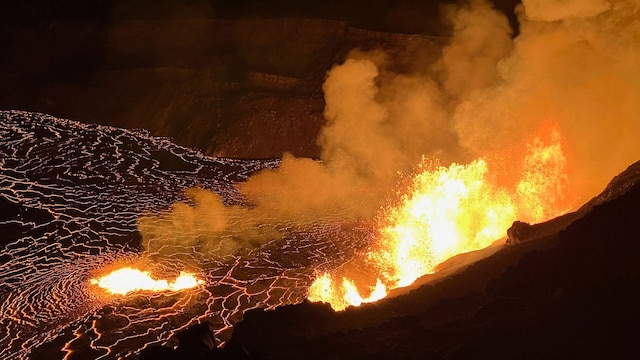
Kilauea & Halemaʻumaʻu, Hawaii Volcanoes National Park, USA | Designated a UNESCO Biosphere Reserve in 1980 and a UNESCO World Heritage Site in 1987, this park encompasses Kilauea, one of the most active shield volcanoes in the world. Visitors can drive along Crater Rim Drive to witness active caldera venting, walk through the 500-year-old subterranean Nāhuku (Thurston Lava Tube), and take in views of the sacred Halemaʻumaʻu crater from paved overlooks like Uēkahuna. (Image source: Reuters)
 9/10
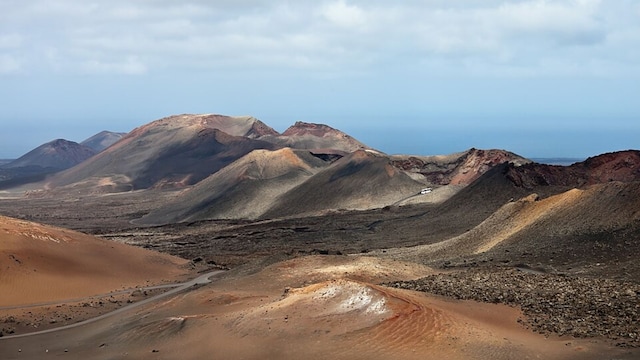
Timanfaya National Park, Lanzarote, Canary Islands, Spain | Part of the UNESCO Biosphere Reserve established across Lanzarote in 1993, Timanfaya’s Montañas del Fuego were created during six years of continuous basaltic fissure eruptions between 1730 and 1736. Travellers can drive to the Islote de Hilario visitor centre to watch demonstrations of 600°C subterranean geothermal heat triggering instant steam geysers, then board official park coaches for guided excursions along the 14-kilometre paved Ruta de los Volcanes. (Image source: Wikimedia Commons)
 10/10
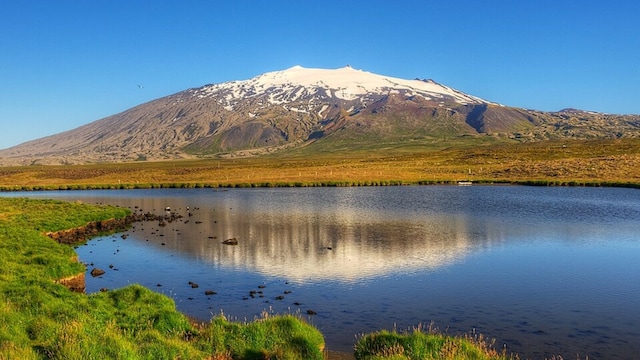
Snæfellsjökull National Park, Snæfellsnes Peninsula, Iceland | Anchoring western Iceland within the Snæfellsnes Biosphere Reserve (designated under UNESCO’s MAB Programme), this park surrounds the 1,446-metre stratovolcano made famous by Jules Verne’s Journey to the Center of the Earth. Accessible via paved Route 574, visitors can walk the black-pebble beach of Djúpalónssandur to test historical fisherman lifting stones, or take guided subterranean walking tours 35 metres down into the 8,000-year-old Vatnshellir lava tube cave. (Image source: Wikimedia Commons)