
A great weekend getaway is defined by how seamlessly a destination combines walkability, evocative architecture, and a distinct culinary tradition. Ac…
 1/8
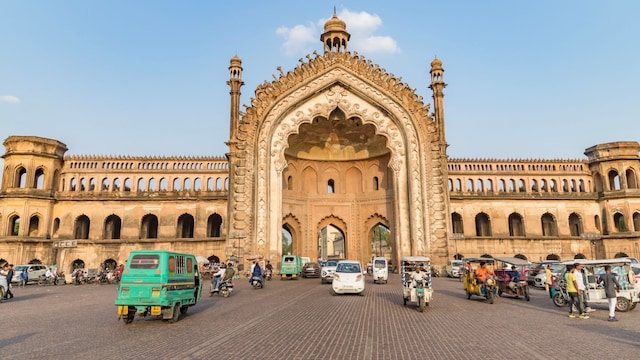
1/8Lucknow, Uttar Pradesh | The cultural heart of the Awadh region is famous for its distinct architectural grandeur—including the gravity-defying, pillarless central hall of the 1784 Bara Imambara, the ornate Rumi Darwaza, and the sprawling ruins of the British Residency. The city’s culinary pedigree is equally legendary, anchored by slow-cooked Awadhi dum biryani, melt-in-the-mouth galouti and seekh kebabs at heritage stalls in the old Chowk bazaar alongside bustling food lanes in Aminabad, and creamy malai kulfi or seasonal winter makhan malai. (Image source: Shutterstock)
 2/8
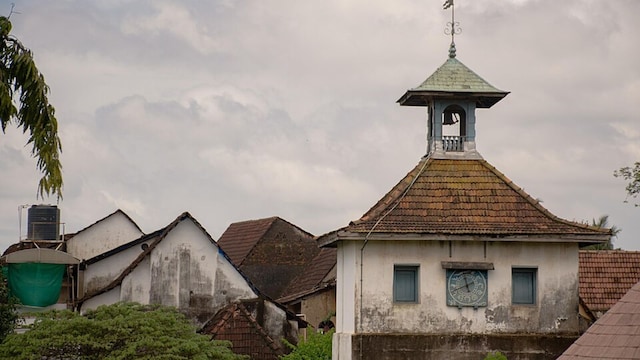
2/8Fort Kochi & Mattancherry, Kerala | Steeped in five centuries of global spice-trade history, this historic coastal enclave preserves a rare blend of Portuguese, Dutch, and British colonial influences. Walkable streets connect the cantilevered Chinese fishing nets and the 1503 St. Francis Church in Fort Kochi to the neighbouring Mattancherry quarter, home to the 16th-century Mattancherry Palace—built by the Portuguese, renovated by the Dutch, and adorned with vivid Ramayana murals. The precinct’s food culture mirrors this maritime crossroads, serving fresh catch-of-the-day fish pollichathu, fragrant Syrian Christian beef roast, and traditional appams alongside breezy heritage bakeries and contemporary art cafes. (Image source: Wikimedia Commons)
 3/8
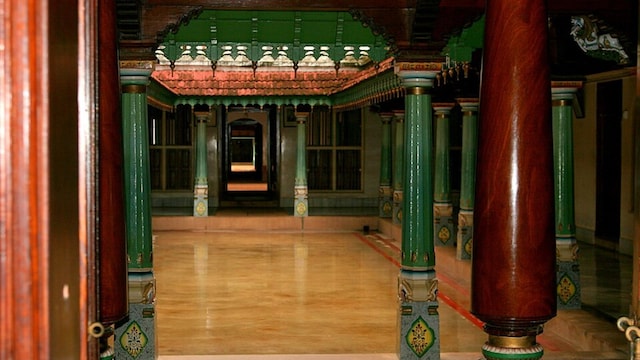
3/8Chettinad (Karaikudi), Tamil Nadu | Built by the prosperous merchant community of the Nattukottai Chettiars during the 19th and early 20th centuries, this network of villages features sprawling heritage mansions lined with imported Italian marble, Burmese teak, and Belgian chandeliers. The town’s culinary tradition is world-renowned for its bold, stone-ground spice profiles, featuring authentic Chettinad chicken or mushroom pepper fry, vazhaipoo (banana flower) vadai, and crispy seeyam served on banana leaves. (Image source: Wikimedia Commons)
 4/8
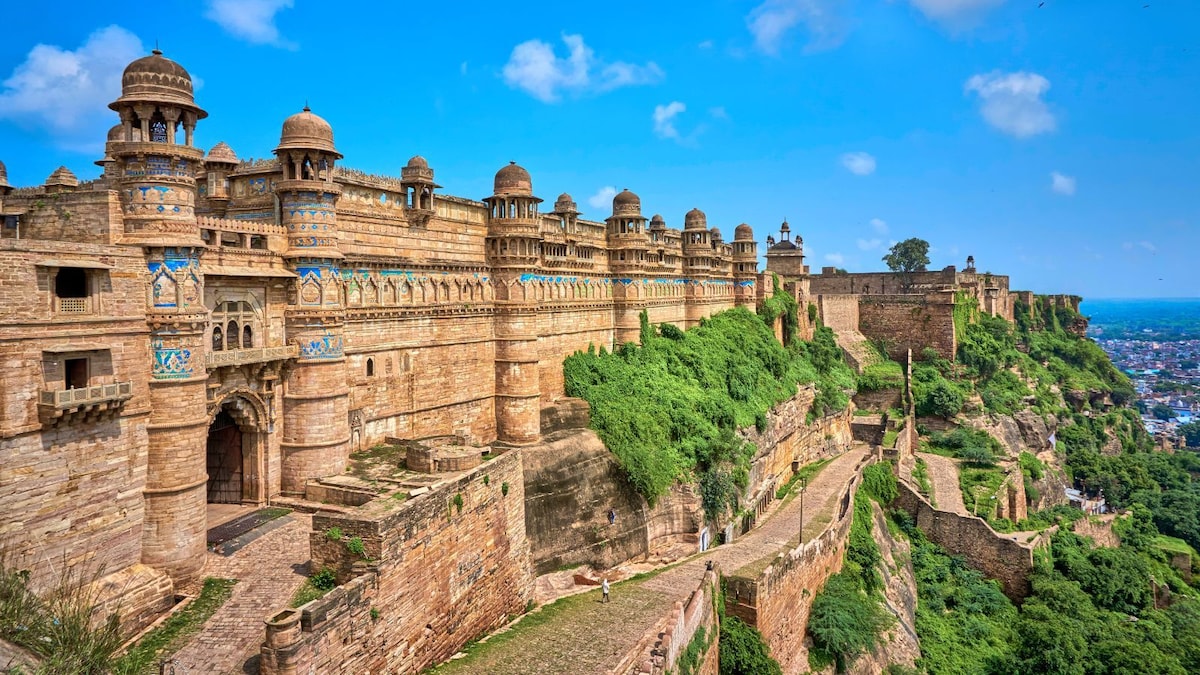
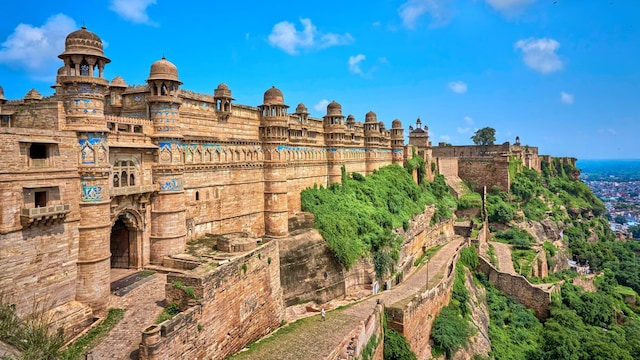
4/8Gwalior, Madhya Pradesh | Dominated by the imposing hilltop Gwalior Fort—famously described by the Mughal Emperor Babur as “the pearl among the fortresses of Hind”—this historic city showcases the 15th-century Man Mandir Palace with its turquoise tiling, rock-cut Jain colossi along the fort ramparts, and the opulent 19th-century Jai Vilas Palace. Gwalior’s culinary landscape is shaped by classic central Indian morning breakfasts, celebrated for crisp bedmi poori with spicy rasedar aloo, kachoris, and freshly fried jalebis in the old Naya Bazar and Daulat Ganj quarters. (Image source: Canva)
 5/8
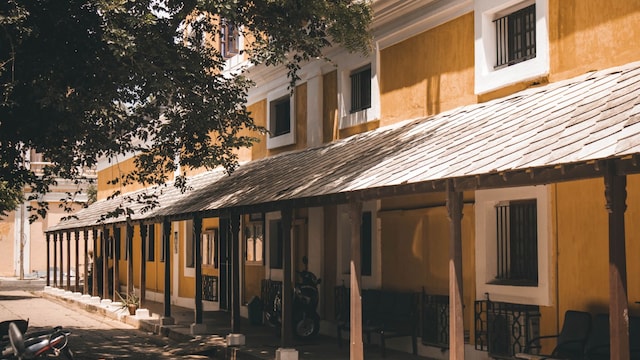
5/8Puducherry (White Town), Puducherry | Retaining its distinctive French colonial footprint, the seaside enclave of White Town is laid out on a grid of pastel-washed stucco villas, bougainvillaea-framed arched gates, and heritage landmarks such as the 19th-century French Consulate, the French War Memorial, and the nearby Sri Aurobindo Ashram. The town’s cuisine is a unique hybrid of Franco-Tamil cooking, with authentic French bistros serving wood-fired baguettes, duck confit, and artisanal crepes alongside coastal Tamil prawn curries. (Image source: Canva)
 6/8
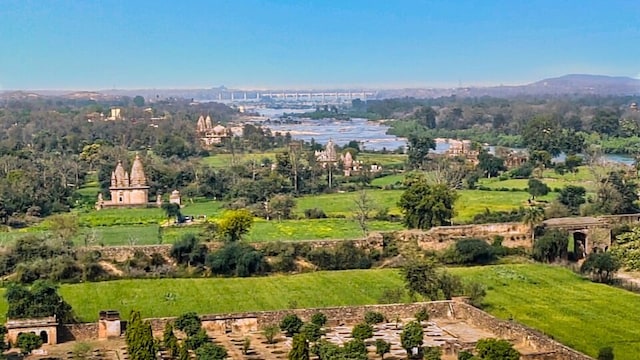
6/8Orchha, Madhya Pradesh | Founded in the 16th century along the boulder-strewn banks of the Betwa River, Orchha is a compact Bundela heritage outpost packed with royal architectural treasures, including the painted ceilings of the Raja Mahal, the multi-tiered Jahangir Mahal, and the fortified towers of the Chaturbhuj Temple. In between heritage walks, visitors can sample rustic Bundelkhandi cuisine—including bidiya, thoke, and sattu flatbreads—alongside piping hot samosas and rabri jalebi served at tea stalls around the central temple square. (Image source: Wikimedia Commons)
 7/8
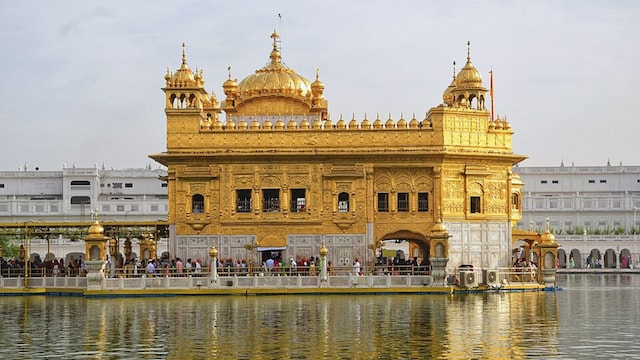
7/8Amritsar, Punjab | Centred on the gilded architecture of Sri Harmandir Sahib (the Golden Temple) and historic landmarks like Jallianwala Bagh and the Partition Museum, Amritsar is a premier northern heritage centre that pairs deep cultural gravity with India’s most celebrated street-food culture. The old walled city’s maze-like alleys are packed with iconic food institutions serving flaky, tandoor-baked Amritsari kulchas loaded with dollops of white butter, creamy whole-milk lassi, and the Golden Temple’s world-renowned free community langar. (Image source: Wikimedia Commons)
 8/8
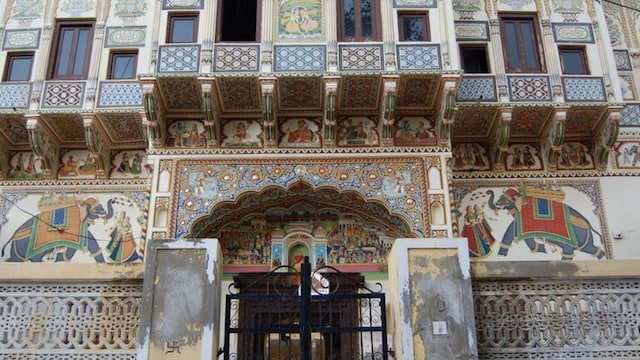
8/8Shekhawati (Mandawa), Rajasthan | Known as India’s “open-air art gallery,” the semi-arid heritage town of Mandawa in Rajasthan’s Jhunjhunu district is dense with 18th- and 19th-century merchant havelis covered in intricate wall frescoes depicting Rajput folklore, religious epics, and early European inventions. The town offers a showcase of traditional Marwari vegetarian cuisine, specialising in authentic dal baati churma, gatte ki sabzi, ker sangri cooked with desert berries, and warm mawa kachoris. (Image source: Wikimedia Commons)