
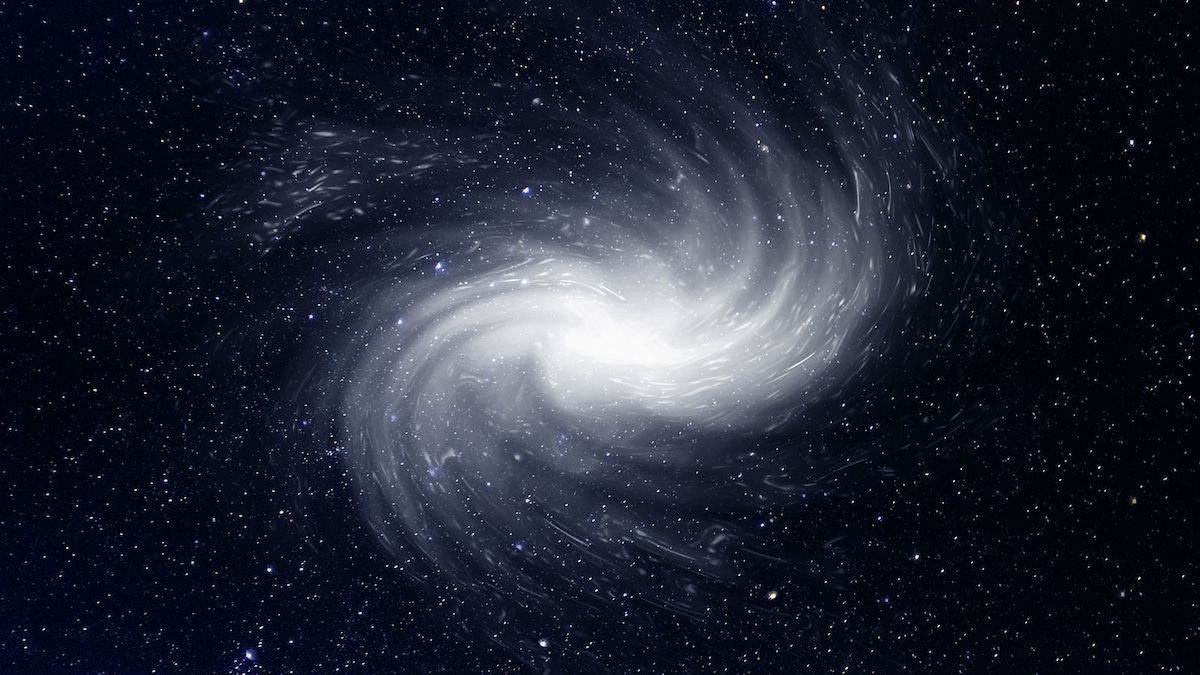
Seeing the Milky Way arching across the night sky is an experience most city dwellers lose to artificial light pollution. However, nestled in India’s …

 1/10
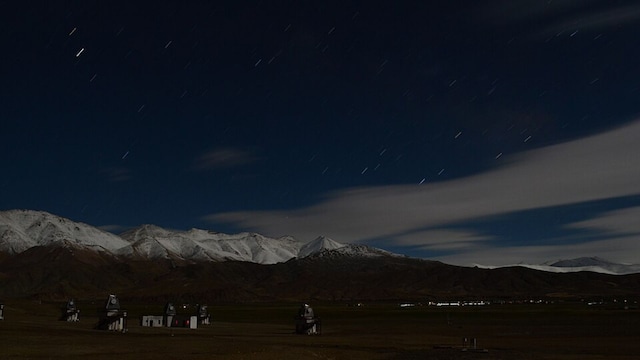
1/10Hanle, Ladakh | Designated as India’s first official Dark Sky Reserve, this high-altitude cold desert perched at nearly 14,800 feet offers ultra-dry air, zero industrial light pollution, and pristine Bortle Class 1 night skies where the Milky Way’s core stretches brilliantly from horizon to horizon. The best time to visit is from May to September during the monthly new moon phase. (Image source: Wikimedia Commons)
 2/10
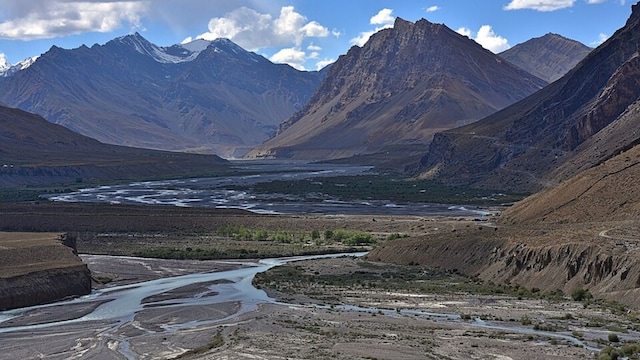
2/10Spiti Valley (Kibber & Kaza), Himachal Pradesh | Surrounded by barren Trans-Himalayan peaks at over 12,500 feet, remote high-altitude villages like Kibber, Hikkim, and Langza boast crystal-clear, thin atmospheric conditions that allow the galactic arm to shimmer brightly above ancient Buddhist chortens. The best time to visit is from June to September on moonless nights. The dense galactic core is prominently visible overhead between 10:00 pm and 2:30 am before monsoon fringe clouds reach higher passes. (Image source: Wikimedia Commons)
 3/10
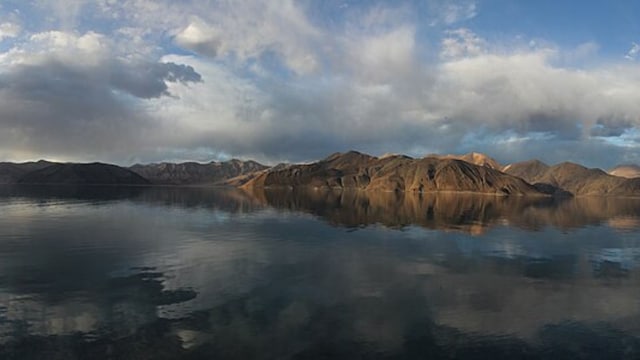
3/10Pangong Tso, Ladakh | Sitting at 14,270 feet along the Indo-Tibetan border, this high-salinity endorheic lake features pitch-black nocturnal surroundings where the Milky Way reflects directly off calm, unpolluted waters on clear, windless nights. The best time to visit is late May to mid-September during the new moon window, particularly between 11:00 pm and 3:00 am, before freezing sub-zero autumn temperatures set in. (Image source: Wikimedia Commons)
 4/10
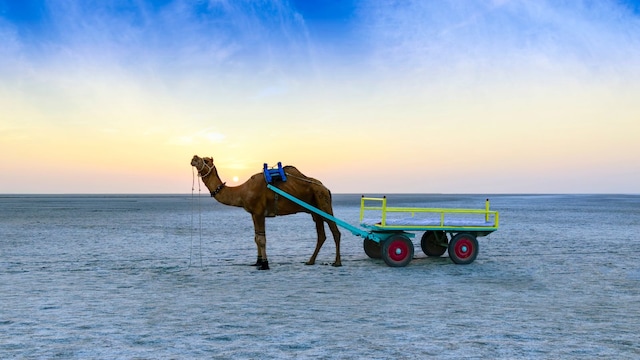
4/10Rann of Kutch, Gujarat | Beyond the festive floodlit zones of Dhordo, the outer reaches of the vast white salt desert offer an uninterrupted 360-degree flat horizon where the silver band of stars appears to rise directly out of the cracked salt bed. The best time to visit is November to February on moonless nights. Outside the summer and monsoon seasons, when the desert is flooded, clear winter nights offer early-morning galactic core viewing between 3:00 am and 5:00 am. (Image source: Canva)
 5/10
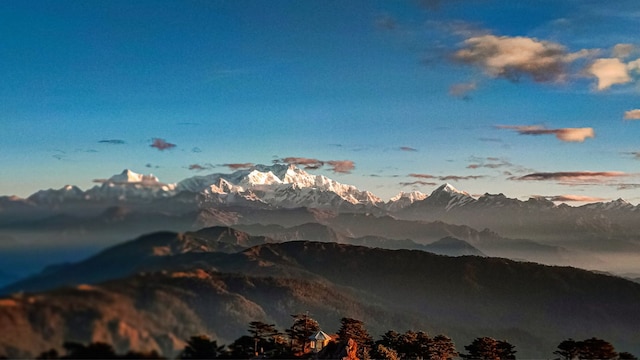
5/10Sandakphu, West Bengal | Situated at 11,930 feet on the Singalila Ridge with no major towns nearby, Sandakphu pairs dramatic nighttime silhouettes of the Kanchenjunga massif with a razor-sharp view of the Milky Way arching over the Eastern Himalayas. The best time to visit is late March to April and October to November on new moon nights. Pre-winter autumn offers the crispest, bone-dry skies with prime core visibility between 8:00 pm and 1:00 am. (Image source: Canva)
 6/10
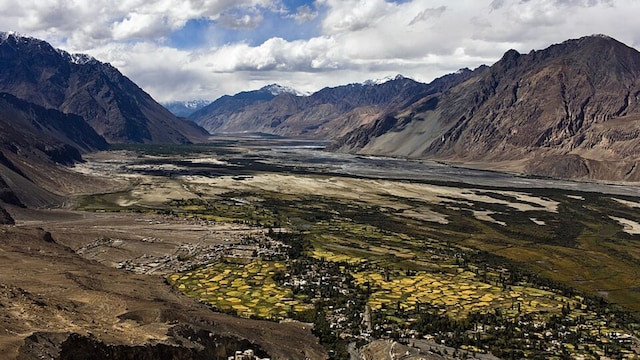
6/10Nubra Valley (Turtuk & Hunder), Ladakh | Nestled between the Karakoram and Ladakh ranges, the cold-desert sand dunes of Hunder and the remote border hamlet of Turtuk provide exceptionally low moisture, high elevation, and pitch-black nights ideal for naked-eye stargazing. The best time to visit is May to September during the new moon phase, with peak galactic core visibility spanning midnight to 3:30 am across clear desert skies. (Image source: Wikimedia Commons)
 7/10
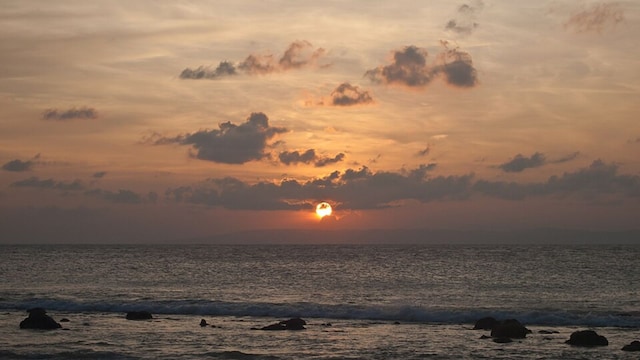
7/10Neil Island (Shaheed Dweep), Andaman & Nicobar Islands | Away from the commercial ports of Port Blair, Neil Island’s isolated beaches—particularly Laxmanpur Beach—face open oceanic horizons free from mainland light haze, allowing the southern galactic dust lanes to glow over quiet coral shores. The best time to visit is December to March on moonless nights between 9:00 pm and 2:00 am, when post-monsoon storms have fully subsided, and coastal sea air remains calm and transparent. (Image source: Wikimedia Commons)
 8/10
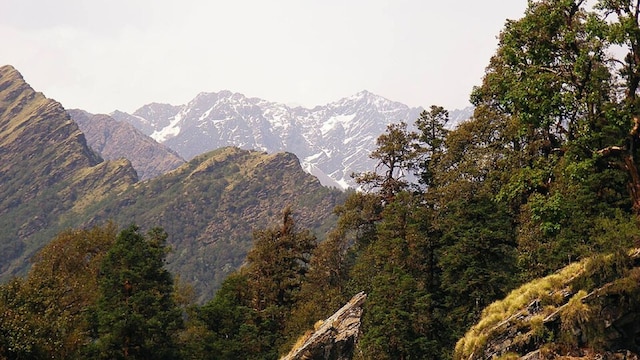
8/10Chopta, Uttarakhand | Surrounded by dense deodar and rhododendron forests at 8,790 feet in the Garhwal Himalayas, the sprawling alpine meadows of Chopta offer sheltered mountain valleys shielded from urban glare where the starry band is framed against the high peaks of Tungnath. The best time to visit is April to early June and October to November during the new moon. Avoid the monsoon months of July and August; crisp post-monsoon autumn nights offer optimal transparency between 8:30 pm and midnight. (Image source: Wikimedia Commons)
 9/10
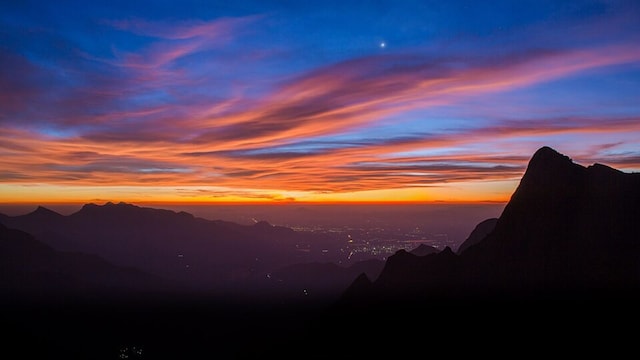
9/10Kolukkumalai, Tamil Nadu | Perched at nearly 7,900 feet in Tamil Nadu’s Theni district above Munnar, the isolated elevation keeps it well above lower valley mist and coastal humidity, revealing brilliant celestial dust lanes over the sweeping contours of organic tea bushes. The best time to visit is January to March and late September to October during new moon nights. Avoid the southwest monsoon season; dry, clear winter nights between 11:00 pm and 3:00 am offer the highest contrast. (Image source: Wikimedia Commons)
 10/10
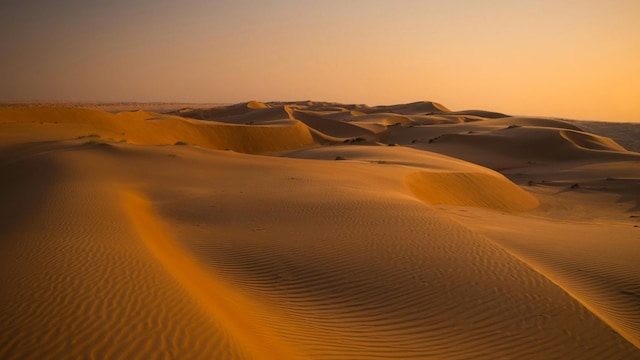
10/10Sam & Khuri Sand Dunes (Desert National Park), Jaisalmer, Rajasthan | Deep inside the Thar Desert near the protected perimeter of the Desert National Park, arid atmospheric conditions and sweeping sand ridges offer exceptionally transparent desert skies with unhindered horizons for viewing the galactic centre. The best time to visit is October to March on moonless nights. Winter nights offer dry air with near-zero humidity, with late-season galactic core viewing beginning in the pre-dawn hours (3:00 am to 5:00 am). (Image source: Canva)