

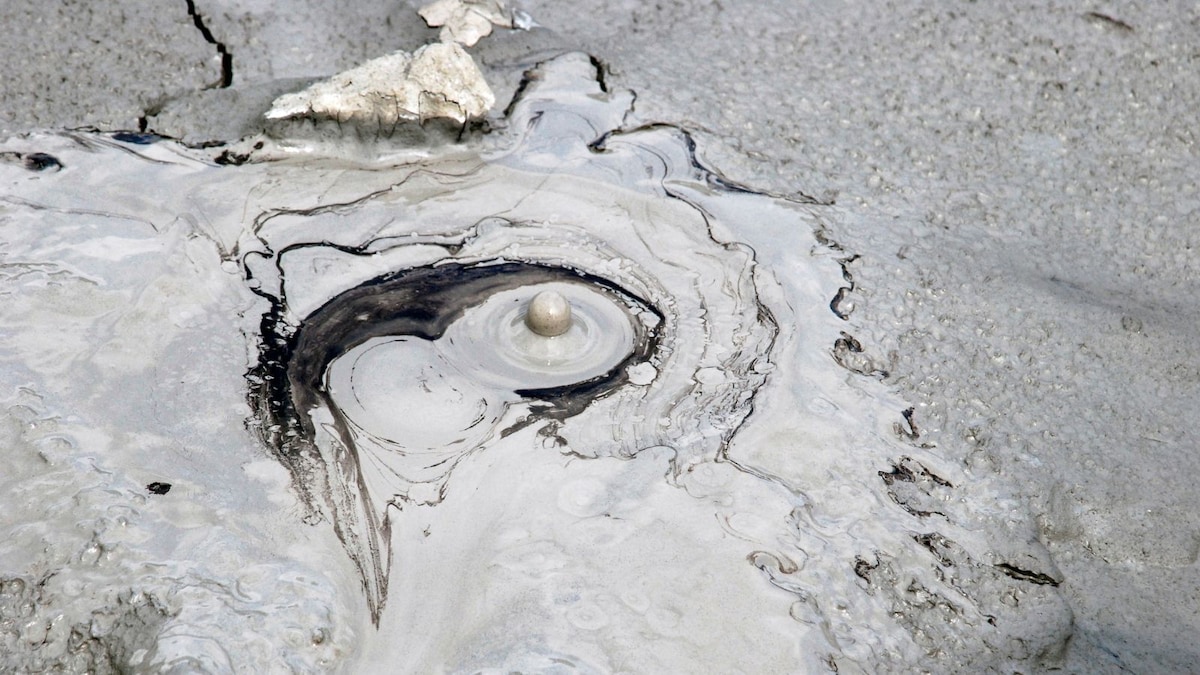
Three Indian sites have been added to UNESCO’s World Heritage Tentative List, highlighting the country’s geological and cultural heritage. From mud vo…
 1/7
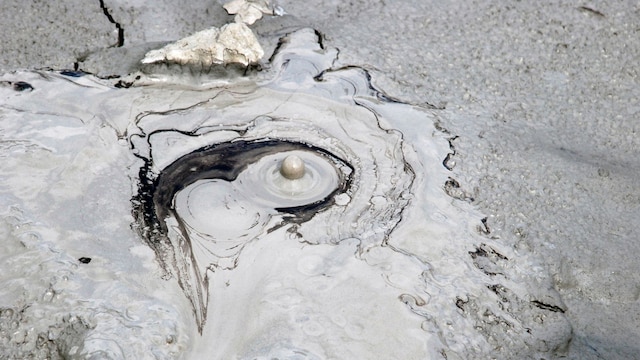
Karst–Mud-Volcano Complex of Baratang | Located in the Andaman and Nicobar Islands, this site features a distinctive landscape shaped by geological processes. Its karst terrain includes limestone formations and caves created by the gradual dissolution of rock, while its mud volcanoes release mud and gases from beneath the Earth’s surface. The combination makes Baratang a notable geological destination in India. (Image: Shutterstock)
 2/7
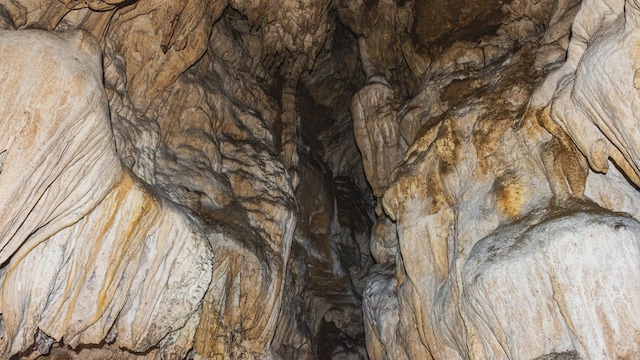
Exploring Baratang’s natural attractions | Baratang offers visitors a chance to explore limestone caves, unusual rock formations and mud volcanoes. The limestone caves feature striking mineral formations shaped over time by water acting on the rock. Reaching the island’s attractions requires planning around ferry schedules, designated convoy arrangements and applicable local rules. Travellers should check current access requirements before setting out. (Image: Shutterstock)
 3/7
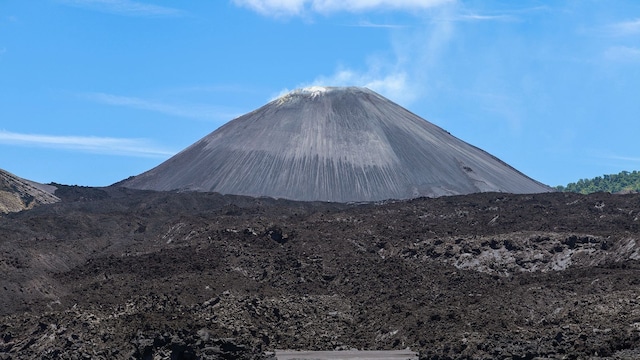
Andaman Subduction Volcanoes | The Andaman Subduction Volcanoes site highlights geological activity linked to the movement of tectonic plates beneath the Andaman Sea. In a process called subduction, one tectonic plate moves beneath another, contributing to volcanic activity. The region’s volcanic landscape includes Barren Island and Narcondam Island, each with distinct geological and ecological features. (Image: Shutterstock)
 4/7
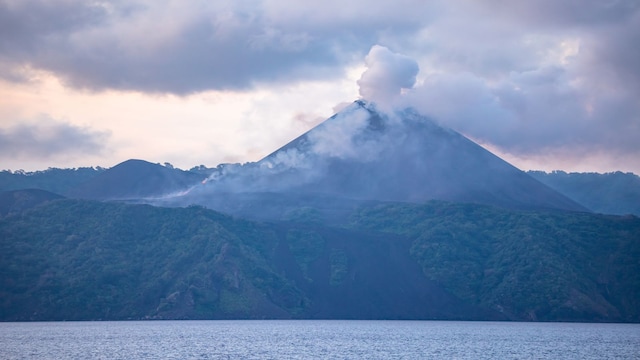
Barren Island’s active volcano | Barren Island is home to India’s only confirmed active volcano. Its dark volcanic slopes and rugged terrain reflect eruptions that have shaped the island over time. However, it is not an ordinary tourist stop: landing on the island is strictly prohibited, and trips require the necessary forest and marine clearances. Travellers should confirm the current rules before arranging a boat excursion. (Image: Shutterstock)
 5/7
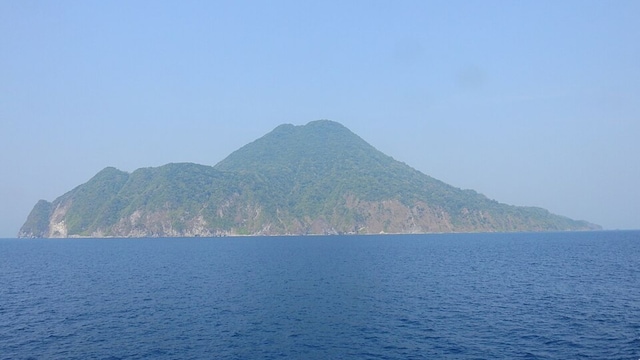
Narcondam Island’s protected wilderness | Narcondam Island is a volcanic island in the Andaman Sea and a protected wildlife sanctuary. Its forested landscape provides habitat for the Narcondam hornbill, a bird found naturally only on this island. There is no public tourist infrastructure, and visits are highly restricted. Access requires special permits from the Andaman and Nicobar Forest Department, so it should not be presented as a destination for routine sightseeing. (Image: Wikimedia Commons)
 6/7
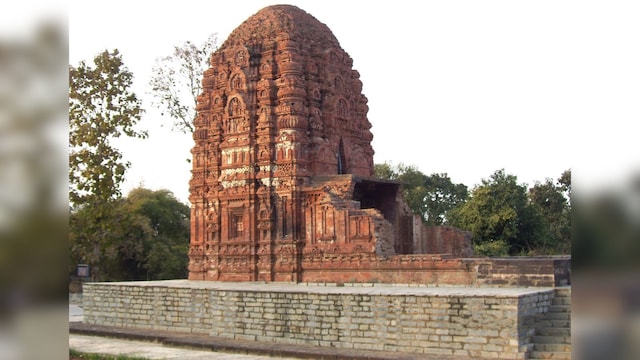
Sirpur Cultural and Archaeological Landscape | Located in Chhattisgarh’s Mahasamund district, Sirpur is an archaeological landscape known for its historic temples, Buddhist monasteries and other religious remains. The site reflects the area’s importance as a centre of cultural and religious activity in the past. Its surviving structures and archaeological remains offer insights into the region’s architectural traditions and history. (Image: Shutterstock)
 7/7
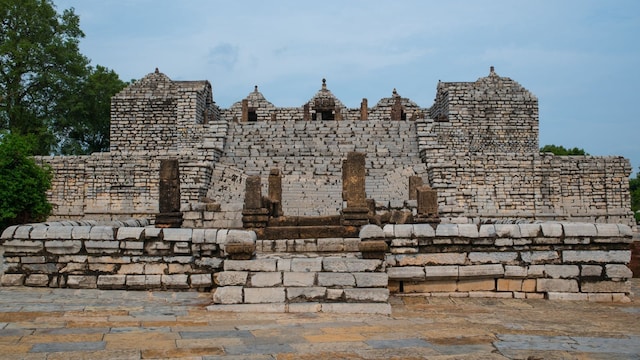
Exploring Sirpur’s ancient heritage | Sirpur offers a different experience from the geological attractions of the Andaman Islands. Visitors can explore historic monuments, including the Laxman Temple, a prominent brick temple known for its intricate architectural details. The area also contains remains associated with Buddhist and other religious traditions, making it an important destination for travellers interested in archaeology, architecture and India’s cultural history. (Image: Shutterstock)