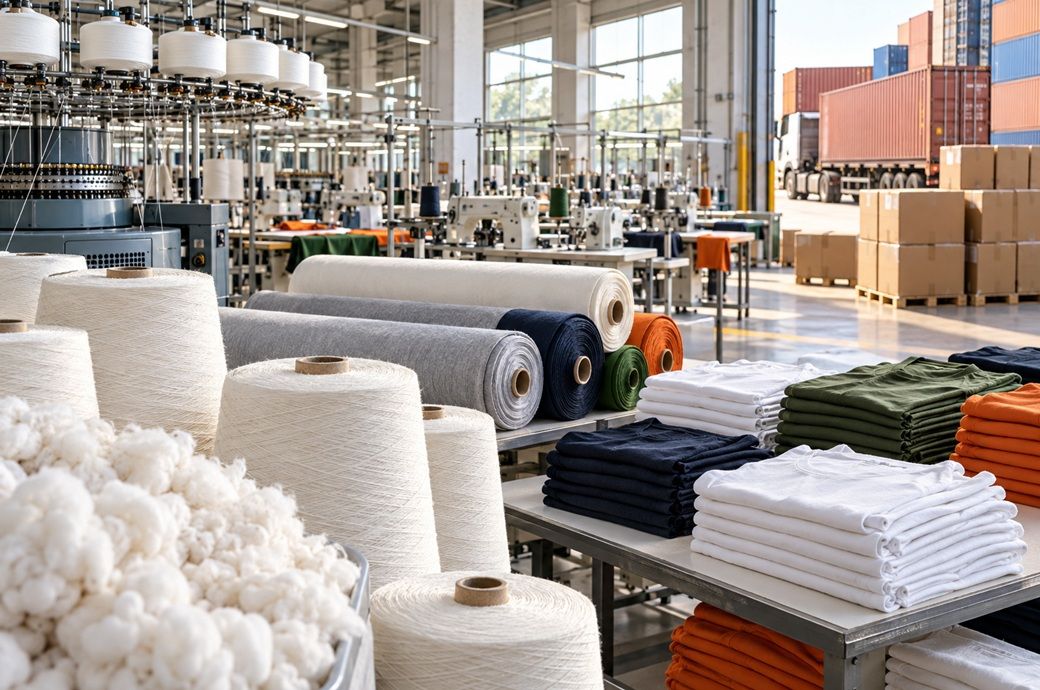

For apparel exporters, importers and sourcing teams, manufacturing was the main growth engine in 2025, supported by resilient garment exports and sustained foreign direct investment (FDI) inflows despite the introduction of US reciprocal tariffs, AMRO said in its 2026 Annual Consultation Report (ACR).
Cambodia’s economy grew 5.3 per cent in 2025, with growth projected to moderate to 4.2 per cent in 2026 as energy costs and border disruptions weigh on activity, according to the AMRO.
Garment-led manufacturing exports and continued FDI remain key buffers for apparel supply chains.
Energy security, banking confidence, and higher value-added industry reforms are the next priorities.
The report noted that Cambodia’s economy expanded by 5.3 per cent in 2025, outperforming earlier expectations despite multiple shocks. AMRO projected growth to moderate to 4.2 per cent in 2026, as higher energy prices and continued border-related disruptions weigh on activity.
Cambodia has faced an unusually difficult external environment over the past two years, including trade policy uncertainty, border tensions with Thailand, higher global oil prices, a prolonged property market correction and pockets of stress in the banking sector. The report said macroeconomic fundamentals remain broadly sound, supported by resilient manufacturing exports, continued FDI and low public debt.
Public debt remained below 30 per cent of gross domestic product (GDP), preserving policy space if conditions deteriorate further. The return of nearly one million migrant workers from Thailand added pressure to the labour market, although about two-thirds had found employment by the end of 2025.
AMRO identified higher global energy prices as the defining macroeconomic challenge for 2026. As a net importer of petroleum products, Cambodia is exposed to rising energy costs; It projected headline inflation to rise from 2.5 per cent in 2025 to 5.1 per cent in 2026, while the current account deficit is expected to widen from 3.6 per cent to 8.5 per cent of GDP.
The authorities have responded with temporary fuel tax relief and targeted support for vulnerable households. It added that continued efforts to diversify energy sources, lower electricity costs and strengthen energy infrastructure would reduce exposure to future external shocks while supporting longer-term industrial development.
Cambodia’s banking sector has also entered a more challenging period, with elevated non-performing loans (NPLs), particularly in real estate-related lending, alongside a small number of bank liquidations and episodes of rumour-driven withdrawals. However, the banking system remains well capitalised, with capital adequacy ratios comfortably above regulatory requirements, and AMRO’s stress testing indicates banks retain sufficient buffers to withstand further deterioration in asset quality.
The report added the main challenge is preserving confidence through timely communication, orderly resolution of distressed institutions and continued strengthening of the financial safety net, rather than systemic solvency. Authorities have introduced frameworks for asset management institutions (AMIs) and deposit protection, and revised the emergency liquidity assistance framework. AMRO said priority should be given to accelerating NPL resolution through effective AMIs and more efficient court procedures.
Looking ahead, Cambodia enters the second half of 2026 facing its most challenging external environment since the pandemic, but low public debt, resilient manufacturing exports, continued FDI inflows and proactive policymaking provide buffers, the report noted.
As Cambodia advances towards upper-middle-income status, the report mentioned reforms to strengthen energy security, enhance financial system resilience, improve infrastructure and promote higher value-added industries will be essential to building a more diversified and productive economy.
Fibre2Fashion News Desk