
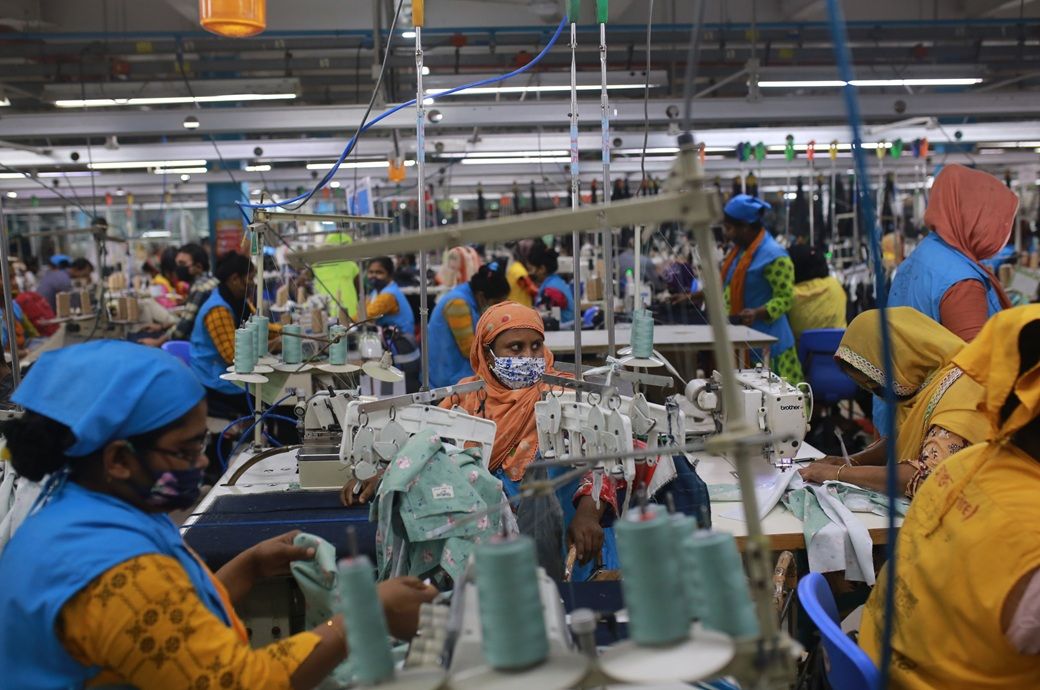
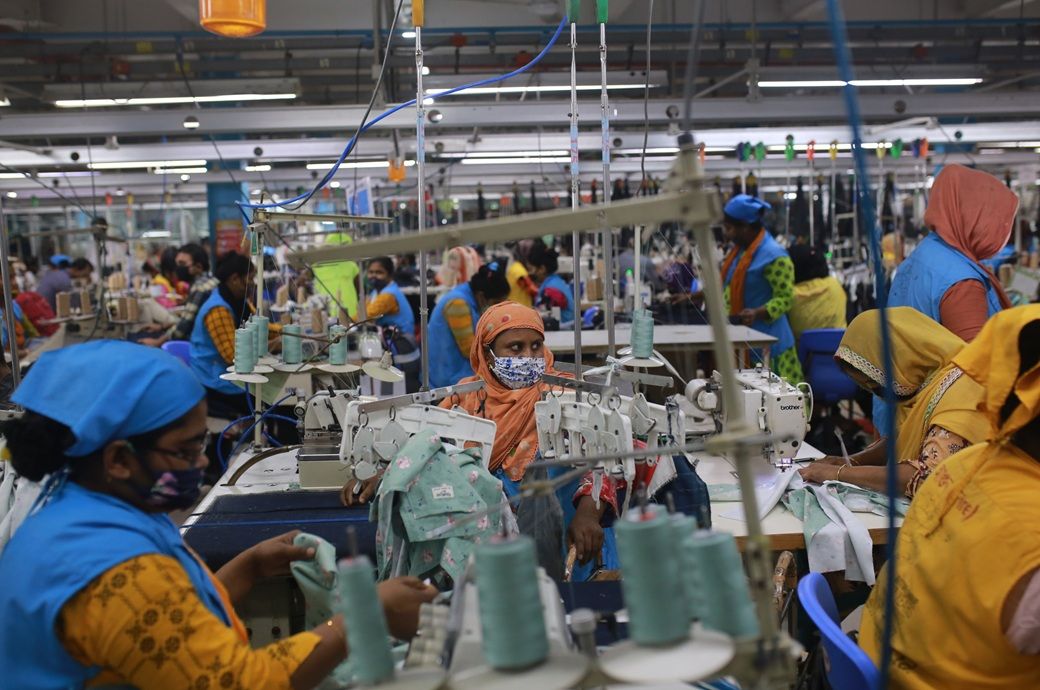
The latest instance reportedly came on June 16, when two garment factories in Gazipur reportedly shut down, leaving around 1,800 workers jobless overnight.
Bangladesh’s garment sector is reportedly facing factory closures and layoffs, leaving thousands jobless.
Many workers, 20,000 as per some estimates, were reportedly affected in the first half of the year amid falling orders, rising costs and financing challenges facing the industry.
The crisis underscores the sector’s struggle to balance global competitiveness with employment stability.
Meanwhile, reports citing data from the country’s Industrial Police, the Bangladesh Garment Manufacturers and Exporters Association (BGMEA) and the Bangladesh Knitwear Manufacturers and Exporters Association (BKMEA), claimed at least 20,000 workers were affected by layoffs and retrenchment in the first six months of the year, with the majority of them being from the readymade garment sector, even as factory owners claim the industry is being squeezed from several directions at once.
A sharp squeeze from dwindling purchase orders, rising operational costs, mounting cash-flow pressures, and growing difficulties in accessing bank finance has left many manufacturers scrambling to keep production lines running, with some reportedly opting for workforce reductions as others embrace the more drastic route of shutting down operations altogether.
The crisis has reportedly become increasingly evident across key industrial zones such as Gazipur, Savar, Ashulia, Chattogram and Narayanganj, where data from the Industrial Police indicates that dozens of factories have dismissed workers this year, with the pace of layoffs reportedly accelerating around the Eid periods.
Meanwhile, a cloud of global uncertainty has cast a shadow over the sector, with garment manufacturers pointing to softer demand in key export markets, intensifying competition and disruptions in international trade as factors making it increasingly difficult to sustain regular operations, even as labour leaders argue that the unfolding crisis cannot be explained by business pressures alone.
They are said to have alleged that some factories used layoffs as a tool to remove workers involved in organising trade unions. After changes to labour rules made union formation easier, worker groups reportedly claimed that some employers have become more aggressive in dismissing employees who try to raise collective demands.
Factory owners, however, have often attributed dismissals to allegations of misconduct, production disruptions, and disciplinary breaches. In Gazipur, a substantial number of layoffs were reportedly attributed to such reasons, reflecting a growing disconnect between employers’ justifications and workers’ allegations regarding the factors driving job losses.
Meanwhile, the BGMEA reportedly stated that factory closures are being driven by multiple factors, including declining orders, banking difficulties and owners exiting the business. At the same time, the BKMEA warned that inadequate financial support from banks was worsening the challenges manufacturers faced.
While manufacturers cite weakening business conditions as the primary driver of layoffs, labour groups contend that workers’ rights must remain central to the discussion. With global demand expected to remain uncertain, balancing competitiveness with employment stability could emerge as one of the industry’s defining challenges.
Fibre2Fashion News Desk (DR)