
UNESCO World Heritage Sites are recognised for their outstanding cultural, natural or mixed significance to humanity. As of 2026, there are 1,248 Worl…

 1/8
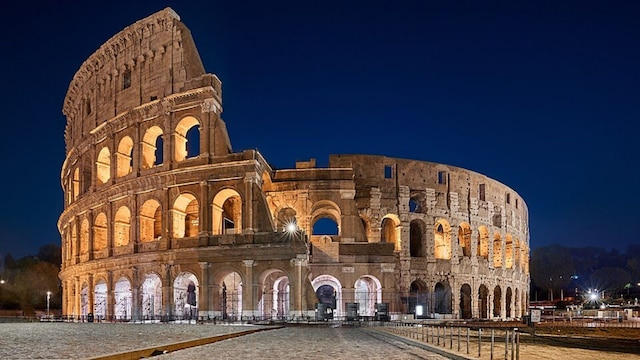
1/81. Italy | Italy tops the global list with 61 UNESCO World Heritage Sites, comprising 55 cultural and six natural properties. From the Colosseum, Pompeii and the Historic Centre of Rome to Venice and its Lagoon, Mount Etna and the Dolomites, Italy’s heritage reflects the legacy of the Roman Empire, the Renaissance and centuries of artistic and architectural excellence. (Image source: Wikimedia)
 2/8
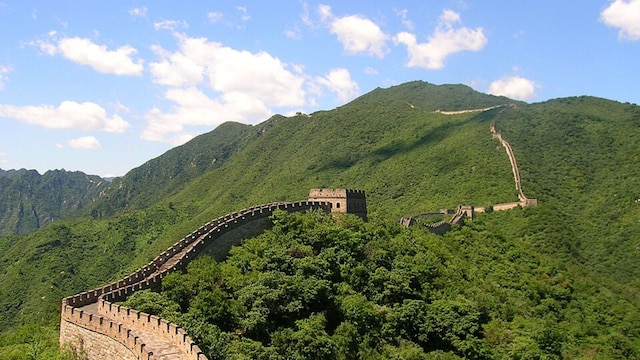
2/82. China | China ranks second with 60 UNESCO World Heritage Sites, including 41 cultural, 15 natural and four mixed properties. Its UNESCO treasures range from the Great Wall of China and the Forbidden City to the Classical Gardens of Suzhou, Jiuzhaigou Valley, Sichuan Giant Panda Sanctuaries and Mount Taishan, showcasing more than 4,000 years of civilisation and natural diversity. (Image source: Wikimedia)
 3/8
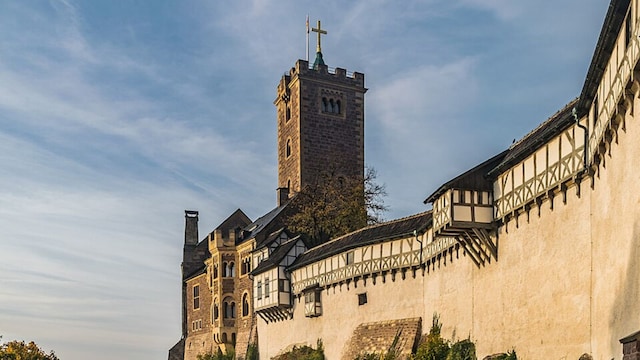
3/83. Germany | Germany is home to 55 UNESCO World Heritage Sites, with 52 cultural and three natural properties. Its UNESCO-listed landmarks include Cologne Cathedral, Wartburg Castle, Museum Island in Berlin, Bauhaus sites, the Wadden Sea and the Messel Fossil Site, highlighting the country’s medieval heritage, industrial history and natural landscapes. (Image source: Wikimedia)
 4/8
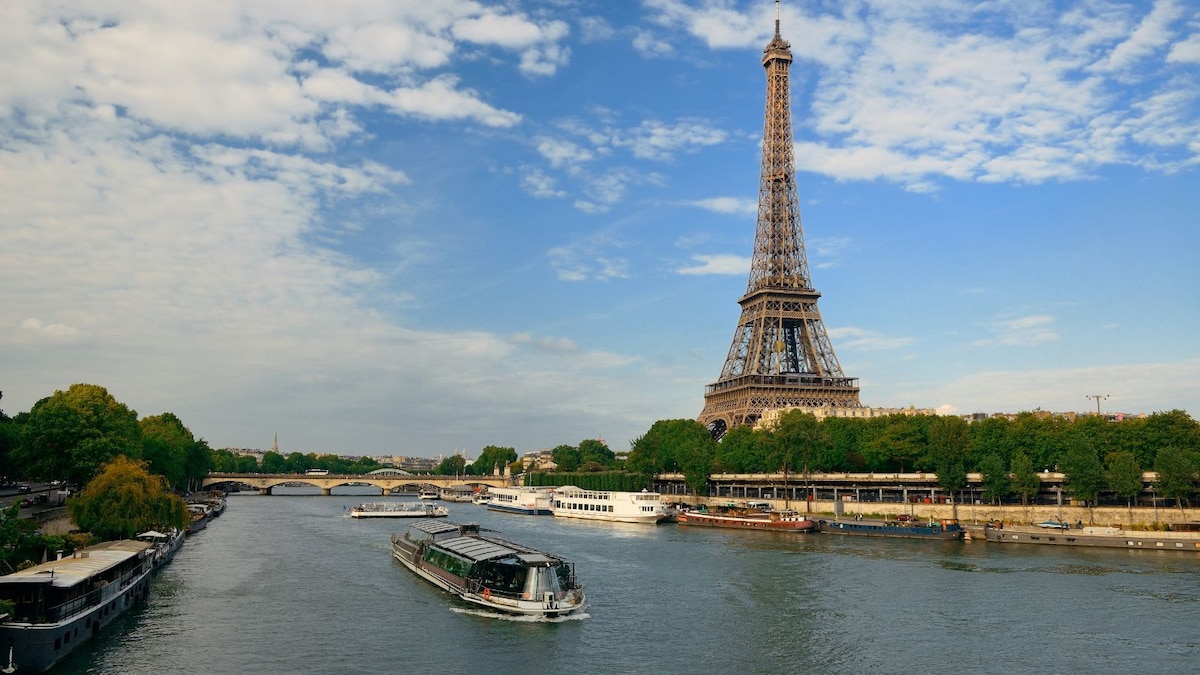
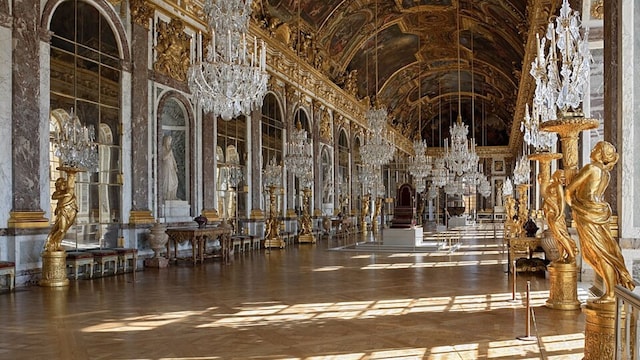
4/84. France | France has 54 UNESCO World Heritage Sites, featuring magnificent palaces, prehistoric caves, Gothic cathedrals and remarkable natural landscapes. Among its best-known sites are the Palace of Versailles, Mont-Saint-Michel, the Banks of the Seine in Paris, the Historic Centre of Avignon and the Peaks, Cirques and Ramparts of Réunion Island. (Image source: Wikimedia)
 5/8
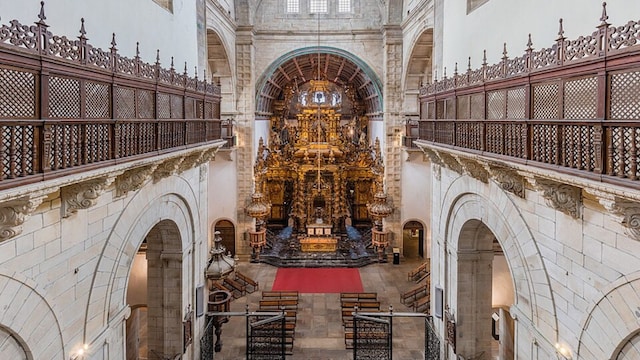
5/85. Spain | Spain boasts 50 UNESCO World Heritage Sites, comprising 44 cultural, four natural and two mixed properties. Highlights include Granada’s Alhambra, Antoni Gaudí’s architectural works, the Historic Centre of Córdoba, Santiago de Compostela, Doñana National Park and Teide National Park, reflecting centuries of cultural and architectural evolution. (Image source: Wikimedia)
 6/8
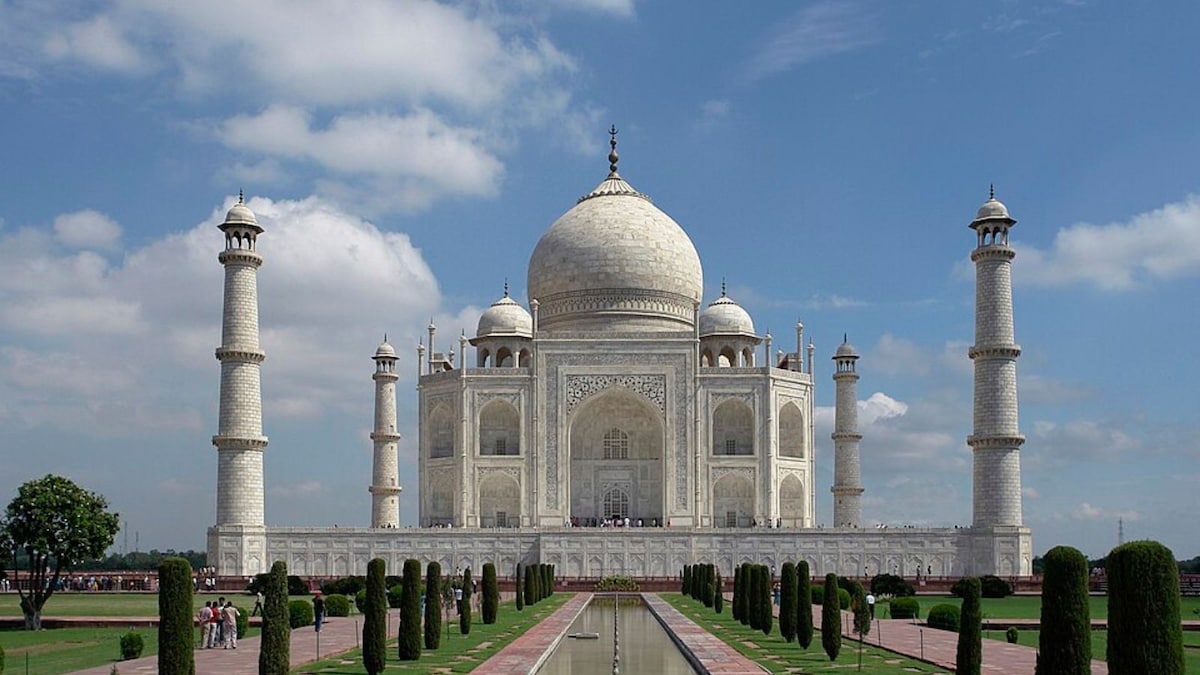
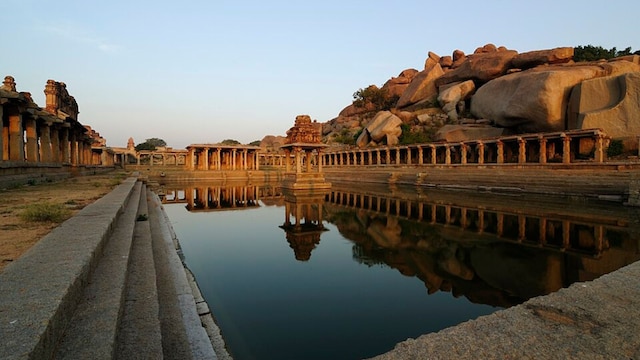
6/86. India | India is home to 44 UNESCO World Heritage Sites, including 36 cultural, seven natural and one mixed property. From the Taj Mahal and Jaipur City to the Ajanta and Ellora Caves, Hampi, Kaziranga National Park, the Western Ghats and Khangchendzonga National Park, India’s UNESCO sites showcase its rich cultural traditions and exceptional biodiversity. (Image source: Wikimedia)
 7/8
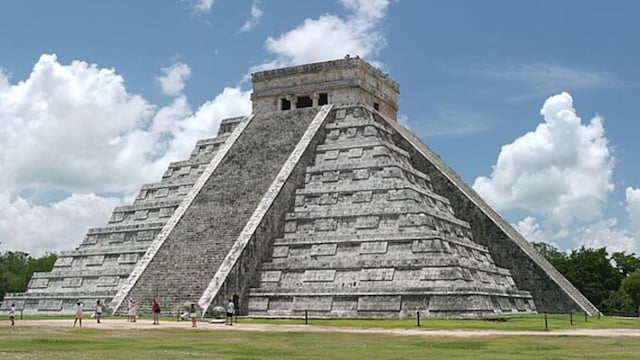
7/87. Mexico | Mexico has 36 UNESCO World Heritage Sites, comprising 28 cultural, six natural and two mixed properties. Its UNESCO-listed landmarks include Chichén Itzá, Teotihuacan, the Historic Centre of Mexico City, the Monarch Butterfly Biosphere Reserve and the Ancient Mayan City and Protected Tropical Forests of Calakmul, reflecting the country’s rich archaeological and ecological heritage. (Image source: Wikimedia)
 8/8
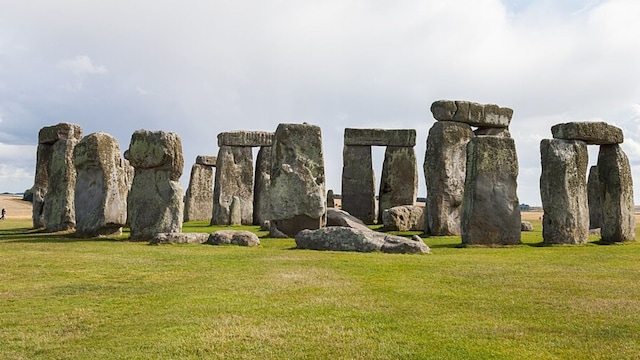
8/88. United Kingdom | The United Kingdom has 35 UNESCO World Heritage Sites. Its heritage spans prehistoric monuments, royal landmarks and dramatic natural landscapes, including Stonehenge, the Tower of London, the City of Bath, the Palace of Westminster, Giant’s Causeway and St Kilda, preserving thousands of years of history, culture and geology. (Image source: Wikimedia)