

 1 / 10
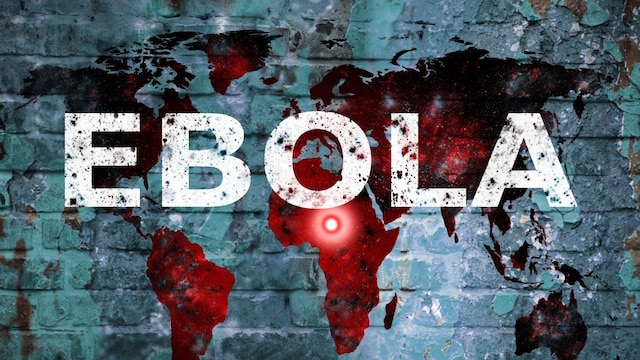
Why Countries Are Tightening Travel Rules | The Ebola outbreak centred in eastern Democratic Republic of the Congo (DRC) has prompted governments around the world to review border controls and public health measures. While countries have adopted different approaches, the aim is to reduce the risk of imported cases and strengthen preparedness. (Image: Canva)
 2 / 10
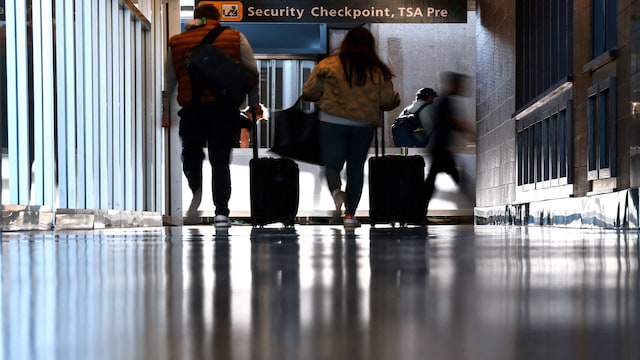
United States Expands Entry Restrictions | The United States has imposed some of the toughest measures so far. Non-citizens who recently travelled to the DRC, Uganda or South Sudan are barred from entering the country. The restrictions were later expanded to include green-card holders who had been in those countries within the previous 21 days. Enhanced screening measures are also in place. (Image: Canva)
 3 / 10
Canada Suspends Travel Documents | Canada has temporarily suspended immigration documents for foreign nationals living in the DRC, Uganda and South Sudan. Even travellers with approved visas or permits are unable to travel to Canada during the temporary restriction period, although immigration applications continue to be processed. (Image: Canva)
 4 / 10
Bahrain Imposes Temporary Entry Ban | Bahrain has introduced a temporary ban on travellers arriving from the DRC, Uganda and South Sudan. The restriction also applies to people who have visited any of these countries within the previous 30 days. Bahraini citizens are exempt but may face additional health measures upon arrival. (Image: Canva)
 5 / 10
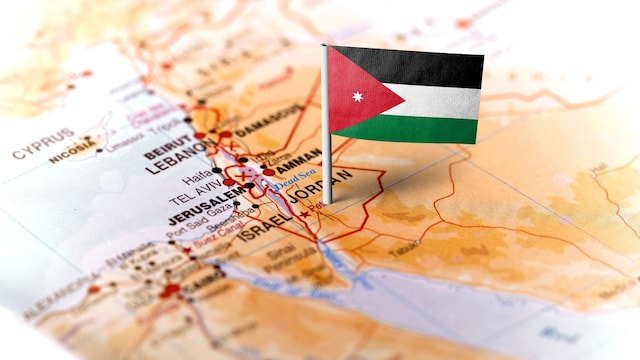
Jordan Tightens Entry Rules | Jordan has also introduced temporary Ebola-related entry restrictions targeting travellers arriving from affected countries. The move is part of wider efforts by governments in the region to prevent imported infections. (Image: Canva)
 6 / 10
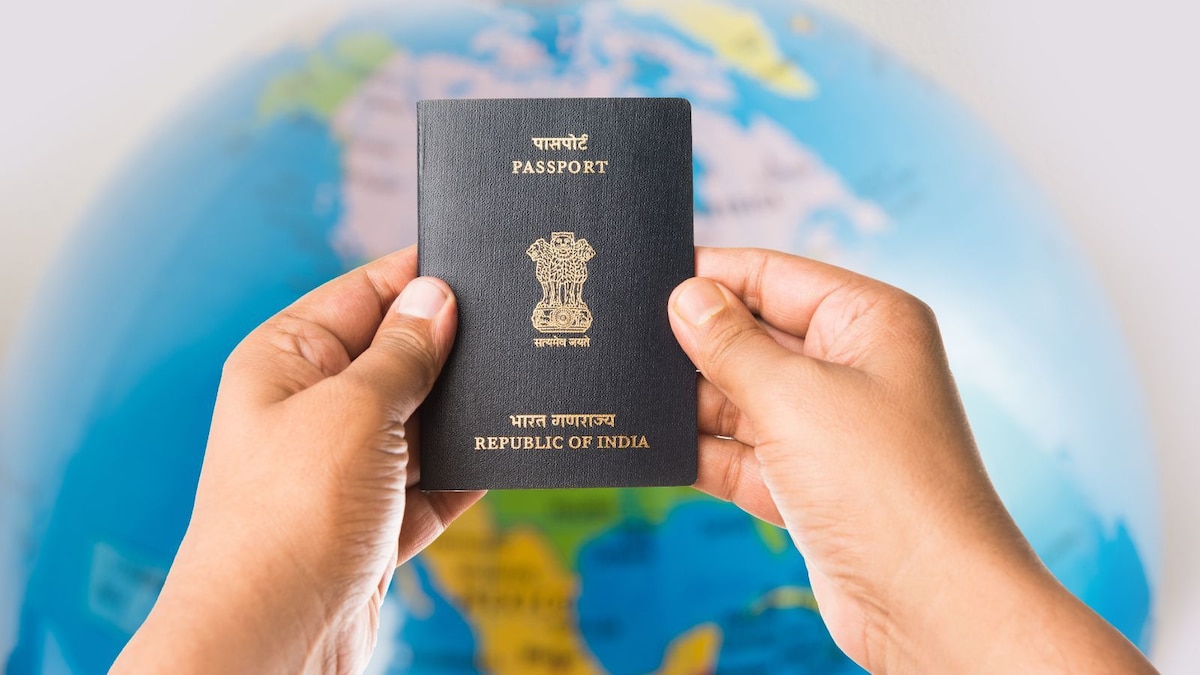
India Advises Against Non-Essential Travel | India has not imposed a travel ban but has advised citizens to avoid non-essential travel to the DRC, Uganda and South Sudan. Health authorities have also increased surveillance and preparedness measures at airports and other points of entry. (Image: Canva)
 7 / 10
Some Countries Choose Screening Over Bans | Not every country has opted for travel restrictions. Several governments have instead strengthened health screening, traveller monitoring and medical checks. Authorities say these measures can help identify potential cases while allowing travel to continue. (Image: Canva)
 8 / 10
Airlines and Local Transport Face Disruptions | The outbreak has also affected travel operations. Some airlines have introduced additional health protocols, while authorities in affected areas have tightened checks at airports and border crossings. Earlier, flights to and from Bunia in eastern DRC were suspended before limited services resumed under stricter health measures. (Image: Canva)
 9 / 10
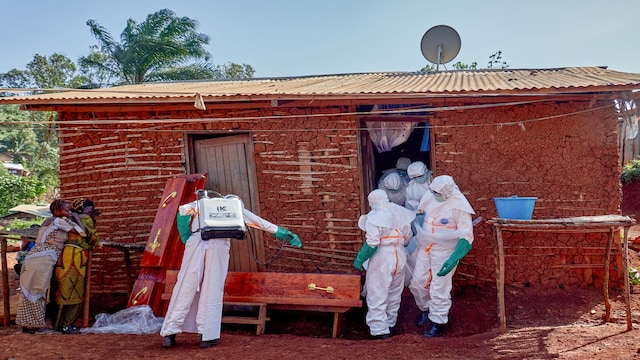
Why Health Experts Are Concerned | Health experts say the outbreak presents several challenges. The virus is spreading in areas affected by conflict and population movement, making it harder to trace contacts and contain infections. Concerns have also been raised about the speed of transmission and the risk of cross-border spread. (Image: Reuters)
 10 / 10
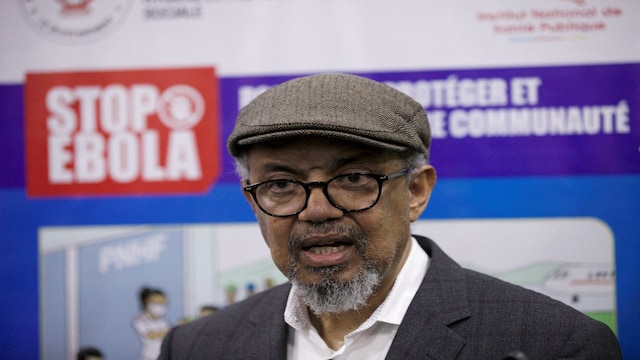
WHO Urges Caution, Not Panic | Despite the restrictions announced by some countries, the World Health Organization (WHO) has advised against broad travel and trade bans. The agency says strong surveillance, early detection, contact tracing and international cooperation remain the most effective tools for controlling the outbreak. (Image: Reuters)