
Last Updated:
There is little novelty in this pre-poll posturing, but the unknown here is Vijay, the actor-turned-politician who will enter the electoral fray this year



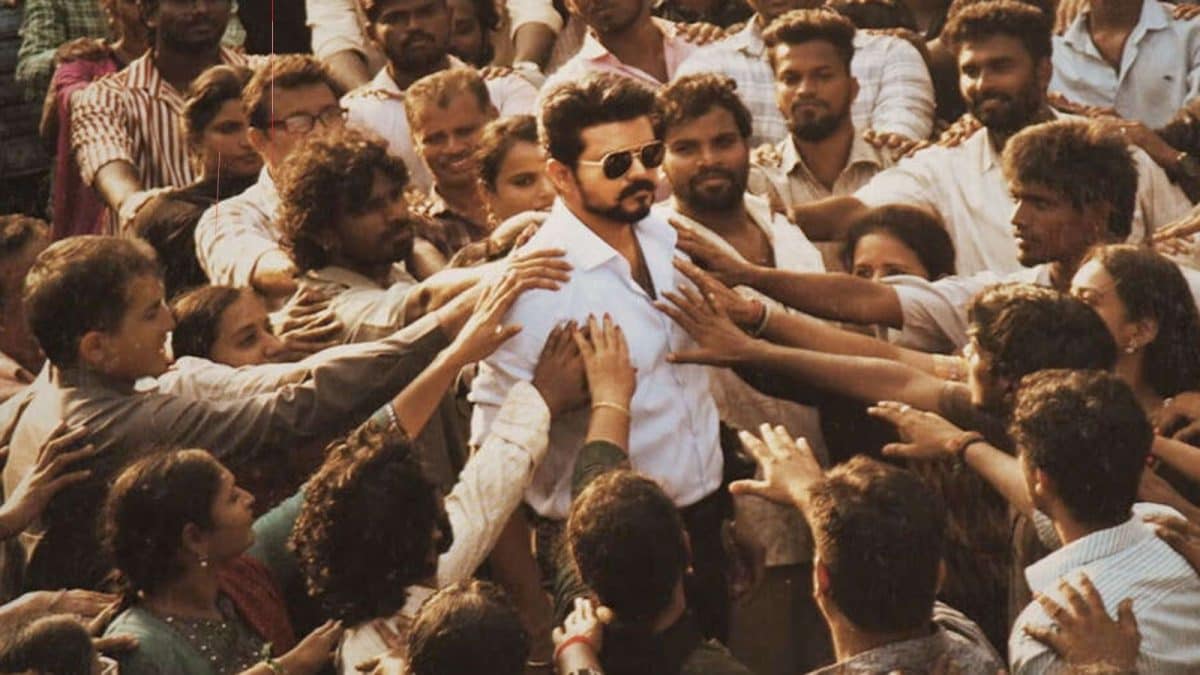
Karur or otherwise, it is hard for Vijay to match up to the grassroots agility displayed by the Dravidian parties, or for that matter, the other regional parties such as the PMK, and so on. (PTI)
Tamil Nadu’s electoral scene is entering a phase of decisions as key partnerships appear to be firming up. On one side, the DMK alliance is largely intact with the Congress, the Viduthalai Siruthaigal Katchi (VCK), and communist parties CPI and CPI(M) aligning in letter and spirit. On the other, the NDA is drawing in more to the current constituents: the AIADMK and the PMK. It is also speculated that the DMDK and outlying contender TTV Dinakaran may join the NDA.
The spectre of power sharing has placed inherent fissures in the alliances starkly: NDA leader and home minister Amit Shah has adopted a language that places the alliance as the overarching decision maker, something the AIADMK has bristled at. A similar situation has played out in the DMK alliance camp, too. Amid demand for power sharing from sections within the Congress, senior DMK leader I Periyasamy said Tamil Nadu has always been a single-party ruled state, and would continue to remain so.
There is little novelty in this pre-poll posturing, but the unknown here is Vijay, the actor-turned-politician who will enter the electoral fray this year. In the middle of speculation that Vijay favours a tie-up with the Congress, the latter’s power-sharing desires cannot be simply brushed under the carpet by the DMK. Last-minute alliances, done with the right narratives, can cause real hurt to aspirations of Dravida Model 2.0.
A Third Front comprising non-Dravidian parties representing the collective frustration over six decades of Dravidian rule is a powerful idea. However, there are two things wrong with it: it’s not novel and, invariably, it ends up helping the incumbent regain power by splitting the force of anti-incumbency. Case in point is the Makkal Nala Kootani (People Welfare Front) helmed by Vijaykanth, Vaiko, Thol. Thirumavalavan, and others, which, as poll watchers analyse, helped J Jayalalithaa regain power for a rare second time in May 2016.
Nevertheless, there is no telling how high Vijay’s trajectory would go. Going by the current direction, his movement is severely restricted, his focus distracted, and his party building activity is subdued. In large parts, this is due to the current crisis the party has been facing in the aftermath of the tragedy in Karur, which led to the death of 41 people.
Karur or otherwise, it is hard to match up to the grassroots agility displayed by the Dravidian parties, or for that matter, the other regional parties such as the PMK, and so on.
Possibly, the DMK’s current stance denying power sharing with Congress is an outcome of the sure-footed thinking that Vijay is currently incapable of banding together a serious front of opposition. Hence, Congress’ posturing can be dismissed as inconsequential.
The DMK has been right before. The DMK has been wrong before.
January 15, 2026, 16:30 IST
Read More