

Last Updated:
Two specific provisions of the ‘G RAM G’ Bill, however, have become major points of contention: funding and work availability under the new rural employment scheme


A bitter political battle has erupted over the proposed ‘G RAM G’ Bill, which seeks to replace the two-decade-old MGNREGA. (Image: PTI/File)
Though the Centre has repeatedly said the new proposed legislation for rural employment is a different scheme, it has not stopped the opposition from calling it an attempt to “erase” the legacy of Mahatma Gandhi after whom the existing one, MGNREGA, was named.
A bitter political battle has erupted over the proposed ‘G RAM G’ Bill, or the Viksit Bharat – Guarantee for Rozgar and Ajeevika Mission (Gramin) Bill, 2025, which seeks to replace the two-decade-old Mahatma Gandhi National Rural Employment Guarantee Act (MGNREGA). It has triggered a fierce back-and-forth between the ruling BJP and the opposition, with the Congress declaring that it will launch a nationwide protest against the decision to rename MGNREGA.
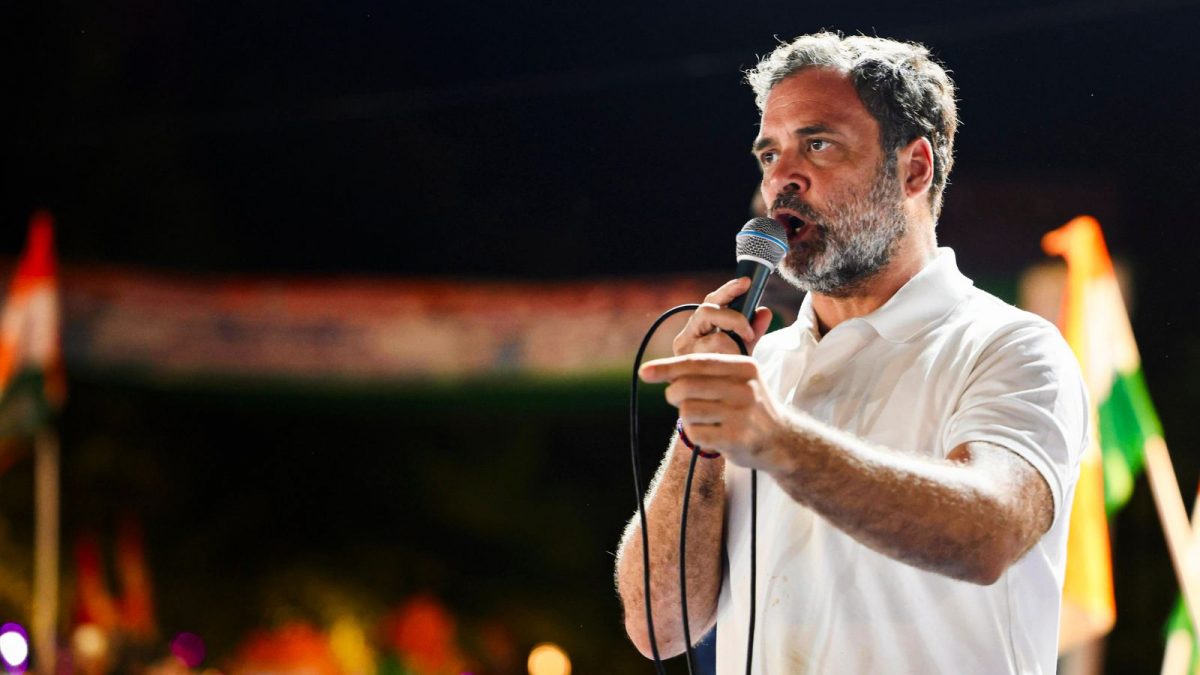
Leader of Opposition in the Lok Sabha Rahul Gandhi on Tuesday launched a scathing attack on the Centre on social media, alleging that Prime Minister Narendra Modi harbours a “deep hatred for two things – the ideas of Mahatma Gandhi and the rights of the poor”. Soon after this, the BJP strongly countered his allegations, calling them “misleading” and “contradicted”, and said the ‘G RAM G’ Bill was a necessary upgrade and modernisation of the rural employment framework.
WHAT ARE THE MAJOR FRICTION POINTS?
Two specific provisions of the Bill, however, have become major points of contention: funding and work availability.
Under the new scheme, the fund-sharing pattern between the Centre and states is set at 60:40. Rahul Gandhi attacked this change, noting that the foundation of the original scheme saw the central government bearing the full cost of wages, and alleged the new ratio forces states to bear 40 percent of the expenses.
The BJP defended the change, stating that this ratio incentivises accountability and prevents misuse, pointing to misappropriation under the old system.
The second major contention is the 60-day pause provision. Section 6 of the Bill permits state governments to notify a period aggregating up to 60 days when no work will be commenced during peak agricultural seasons of sowing and harvesting.
Rahul Gandhi claimed that this meant “no one will get work for two months” once the budget is exhausted or during harvest season. In response, the BJP said this aggregated pause actually benefits both farmers and workers by ensuring necessary labour availability during peaks, preventing artificial wage inflation, and allowing workers to shift to higher-paying farm jobs seasonally, while assuring that the full 125 days are guaranteed in the remaining period.
WHAT DID RAHUL GANDHI, CONGRESS SAY?
Congress MP Rahul Gandhi said the MGNREGA was a “living embodiment” of Mahatma Gandhi’s dream of village self-rule, and called the new bill an “insult” to his ideals.
He alleged that the Centre initially weakened the scheme and is now “wiping it out completely”. He said the Congress has promised to oppose this “anti-people bill”, with the party directing state units to organise nationwide protests featuring portraits of Mahatma Gandhi to symbolise resistance against the “erasure of his name and values”.
“MGNREGA is the living embodiment of Mahatma Gandhi’s vision of Gram Swaraj. It has been a lifeline for millions of rural Indians and proved to be a crucial economic safety net during the COVID pandemic. Yet, this scheme has always unsettled PM Modi. For the past ten years, his government has systematically tried to weaken it. Today, he is determined to erase MGNREGA altogether… From Sadak to Sansad, we will oppose this anti-people bill,” said Gandhi on X, while enumerating the fundamental principles of the MGNREGA and how the Modi-led Centre wants to “transform it into a tool of centralised control”.
Modi ji has a deep dislike for two things – the ideas of Mahatma Gandhi and the rights of the poor.MGNREGA is the living embodiment of Mahatma Gandhi’s vision of Gram Swaraj. It has been a lifeline for millions of rural Indians and proved to be a crucial economic safety net…— Rahul Gandhi (@RahulGandhi) December 16, 2025
Other opposition leaders, including Priyanka Gandhi Vadra, said the proposed legislation will “weaken” the guaranteed employment and should not be rushed through Parliament without adequate discussion.
The Congress has said the overhaul fundamentally shifts control from villages to the central government, abandoning the core tenets of the original MGNREGA. Under the new Bill, Rahul Gandhi said, the Centre will unilaterally decide the budget, schemes, and rules, effectively concentrating power solely in the Prime Minister’s hands.
WHAT DID THE BJP SAY?
The BJP, however, strongly rejected Rahul Gandhi’s allegations, positioning the ‘G RAM G’ Bill as a necessary upgrade and modernisation of the employment framework.
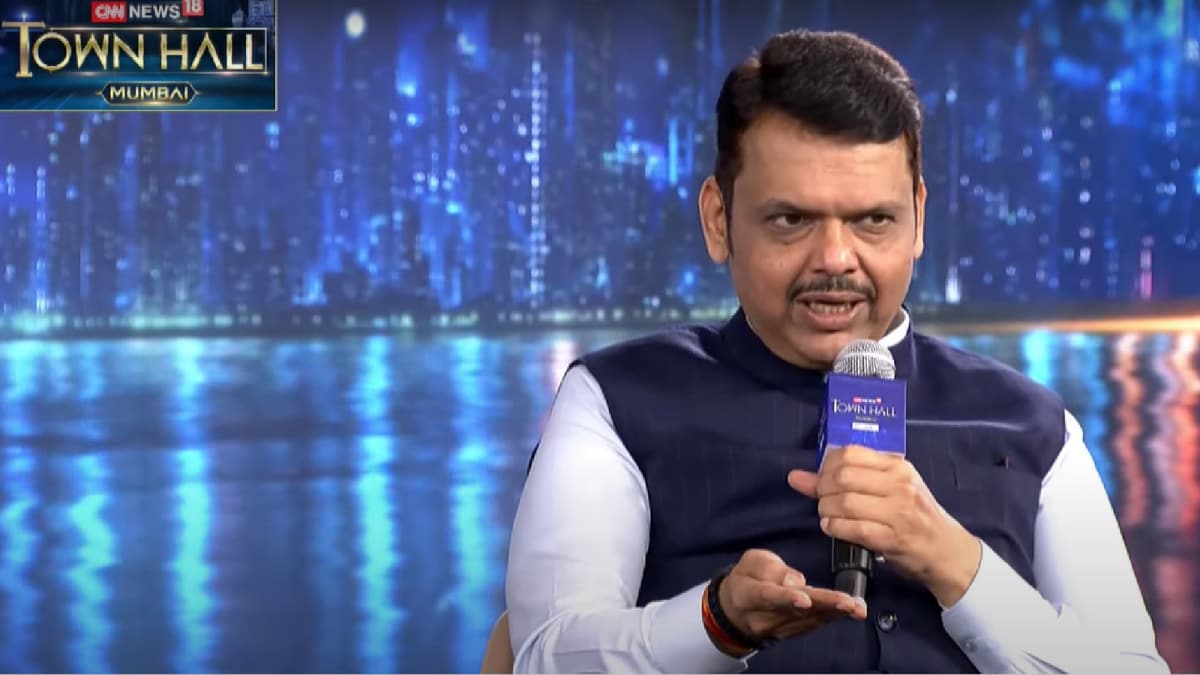
The party’s IT cell head, Amit Malviya, dismissed the allegations as “misleading”, stressing that the Act is a significant overhaul, not an erasure, designed to align the scheme with modern rural realities and the ‘Viksit Bharat 2047’ vision. The name change, he said, reflects alignment with national development goals rather than disdain for Mahatma Gandhi.
“These claims (made by Rahul Gandhi) are misleading and contradicted by the facts of the new Act, which represents a significant upgrade to the 20-year-old MGNREGA framework, aligning it with modern rural realities and the Viksit Bharat 2047 vision,” Malviya wrote on X, giving a “claim versus reality” analysis of the Bill to counter Rahul Gandhi.
Rahul Gandhi has claimed that Prime Minister Modi harbors a “deep dislike” for Mahatma Gandhi’s ideas and the rights of the poor, alleging that the government is systematically weakening and now “erasing” MGNREGA altogether. He describes the new Viksit Bharat – Guarantee for… https://t.co/36Ce8pVgXI pic.twitter.com/oMRsRVgR5o— Amit Malviya (@amitmalviya) December 16, 2025
A key enhancement cited by the BJP is the increase in guaranteed work days from 100 to 125 days of wage employment per rural household for adult members. The BJP said the Bill is designed to strengthen decentralised planning, requiring gram panchayats to prepare hyperlocal Viksit Gram Panchayat Plans on a saturation basis, directly contradicting claims of centralisation.
Malviya said this new approach focuses on creating durable infrastructure and assets across four strategic verticals – unlike MGNREGA’s often scattered projects – while incorporating safeguards like AI fraud detection, GPS monitoring, and twice-yearly social audits to tackle long-standing issues like leakages and ghost works.
 Click here to add News18 as your preferred news source on Google.
 December 16, 2025, 23:23 IST
Read More