
From road-free Dutch canal hamlets navigated solely by electric whisper-boats to 16th-century timber-framed wine settlements and Alpine valleys framed…
 1/10
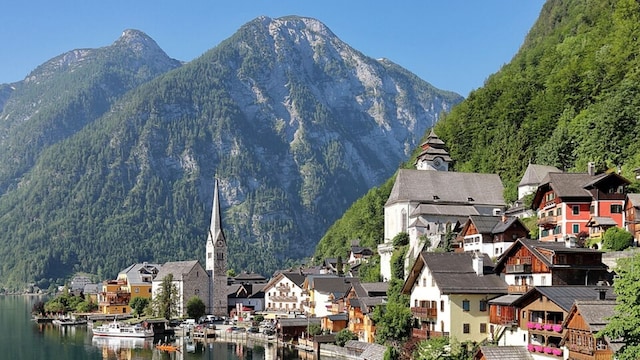
1/10Hallstatt, Austria | Wedged tightly between the steep slopes of the Dachstein Alps and the dark waters of the Hallstätter See, this Alpine village of around 800 residents is anchored by a 7,000-year salt-mining legacy. Its 16th-century timber chalets rise along the mountainside on stone stilts, surrounding a central market square and a slender 19th-century Evangelical church spire that reflects across the glassy lake. (Image source: Wikimedia Commons)
 2/10
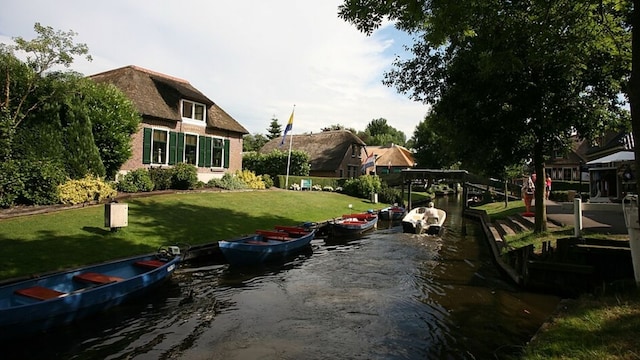
2/10Giethoorn, Netherlands | Often called the “Dutch Venice,” the historic core of this rural Overijssel village is completely devoid of roads and cars. Centred around an 18th-century network of peat-mining canals crossed by over 170 wooden arch footbridges, Giethoorn is lined with centuries-old farmhouses topped with reed-thatched roofs, accessible only on foot or by silent electric whisper-boats. (Image source: Wikimedia Commons)
 3/10
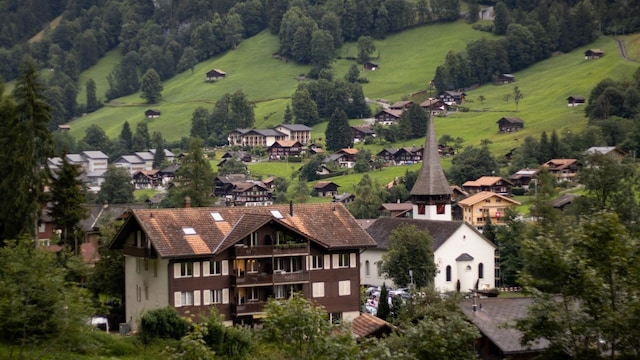
3/10Lauterbrunnen, Switzerland | Set deep inside a dramatic U-shaped valley carved by ancient glaciers, this Bernese Oberland village is framed by vertical limestone cliffs down which 72 waterfalls plunge into lush alpine meadows. Traditional wooden Swiss chalets with vibrant flowerboxes dot the valley floor, with the nearly 300-metre-high Staubbach Falls tumbling dramatically right behind the village church. (Image source: Canva)
 4/10
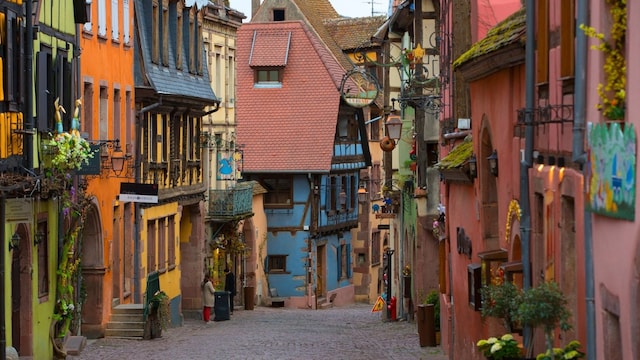
4/10Riquewihr, France | Enclosed by intact medieval ramparts and grand cru Riesling vineyards along the Alsatian Wine Route, this certified member of ‘Les Plus Beaux Villages de France’ survived centuries of conflict virtually unscathed. Its cobblestone main street features brightly painted half-timbered houses dating to the 16th and 17th centuries, adorned with carved wooden oriel windows and flower boxes that inspired Disney’s ‘Beauty and the Beast’. (Image source: Canva)
 5/10
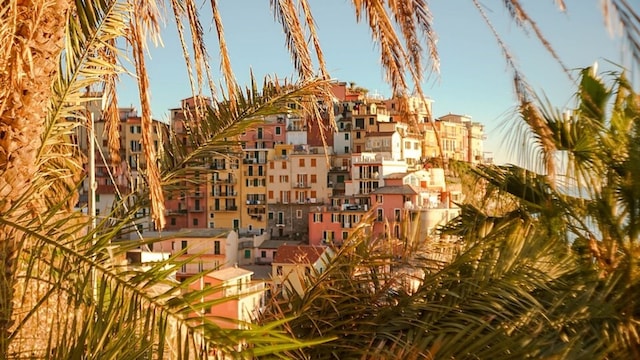
5/10Manarola, Italy | A traditional coastal fishing village of roughly 350 residents in Liguria’s Cinque Terre, Manarola is built from multi-tiered pastel tower houses clinging to steep sea cliffs. Narrow alleyways wind down to a rocky swimming harbour, while centuries-old drystone terraces supporting sweet Sciacchetrà vineyards rise straight up the hillsides behind the village. (Image source: Wikimedia Commons)
 6/10
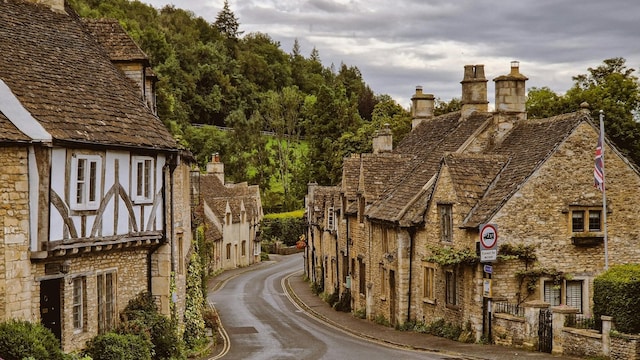
6/10Castle Combe, England | Frequently cited as the prettiest village in the Cotswolds, Castle Combe preserves an unbroken streetscape of honey-coloured limestone cottages built between the 14th and 17th centuries. Free from modern overhead utility cables and street lamps, this village of roughly 350 people winds past a 14th-century market cross down to a medieval stone packhorse bridge crossing the Bybrook River. (Image source: Canva)
 7/10
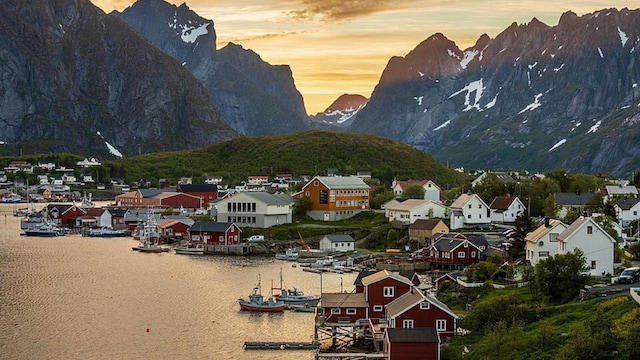
7/10Reine, Norway | Located above the Arctic Circle in Norway’s Lofoten archipelago, this authentic fishing hamlet of around 300 residents sits against the sheer granite face of Mount Reinebringen. The settlement is defined by vibrant red rorbuer—historic wooden fisherman cabins built on stilts directly over the tidal fjord waters—backed by stockfish drying racks and turquoise coastal bays. (Image source: Wikimedia Commons)
 8/10
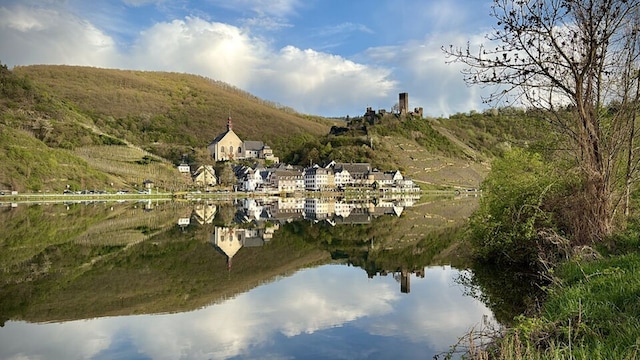
8/10Beilstein, Germany | Nicknamed the “Sleeping Beauty of the Moselle,” Beilstein is one of Germany’s smallest and best-preserved historic wine villages, home to fewer than 150 residents. Tucked into a narrow river bend beneath the ruins of Metternich Castle, its tiny footprint is packed with crooked 16th-century timber-framed houses, steep cobblestone monastery staircases, and family-run taverns pouring local estate Riesling. (Image source: Wikimedia Commons)
 9/10
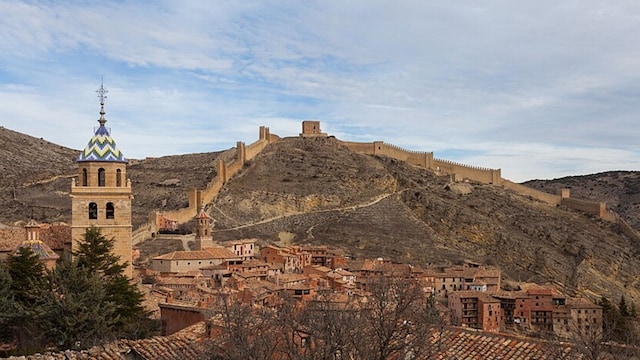
9/10Albarracín, Spain | Perched on a steep rocky ridge surrounded on three sides by the Guadalaviar River gorge, this Aragonese mountain village of roughly 1,000 residents is famed for its earthy, pinkish-red plaster and stone architecture that appears to grow directly out of the cliffs. Ancient defensive stone walls and fortified watchtowers wind along the arid ridgeline high above the medieval streets. (Image source: Wikimedia Commons)
 10/10
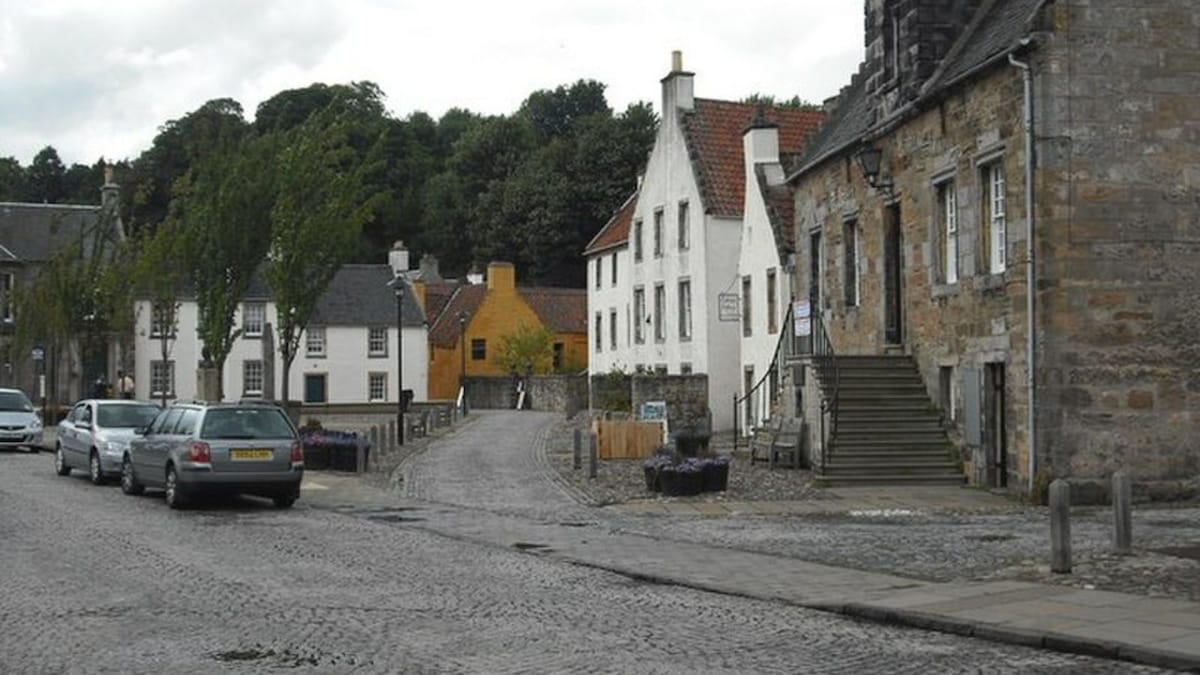
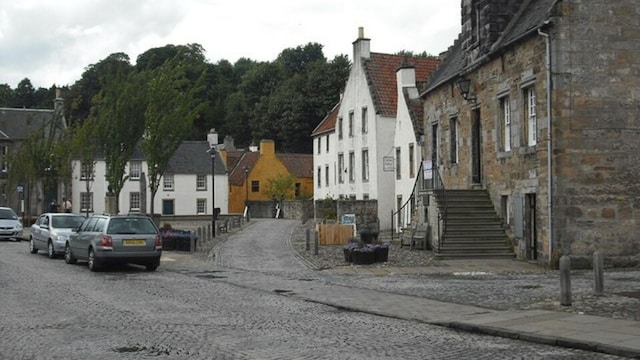
10/10Culross, Scotland | Sitting along the north shore of the Firth of Forth in Fife, Culross is Scotland’s most complete surviving 16th- and 17th-century village settlement, with roughly 400 residents. Its steep cobbled wynds are lined with whitewashed harled cottages featuring crow-stepped gables and orange terracotta pantile roofs, anchored by the iconic mustard-yellow 16th-century Culross Palace. (Image source: Wikimedia Commons)