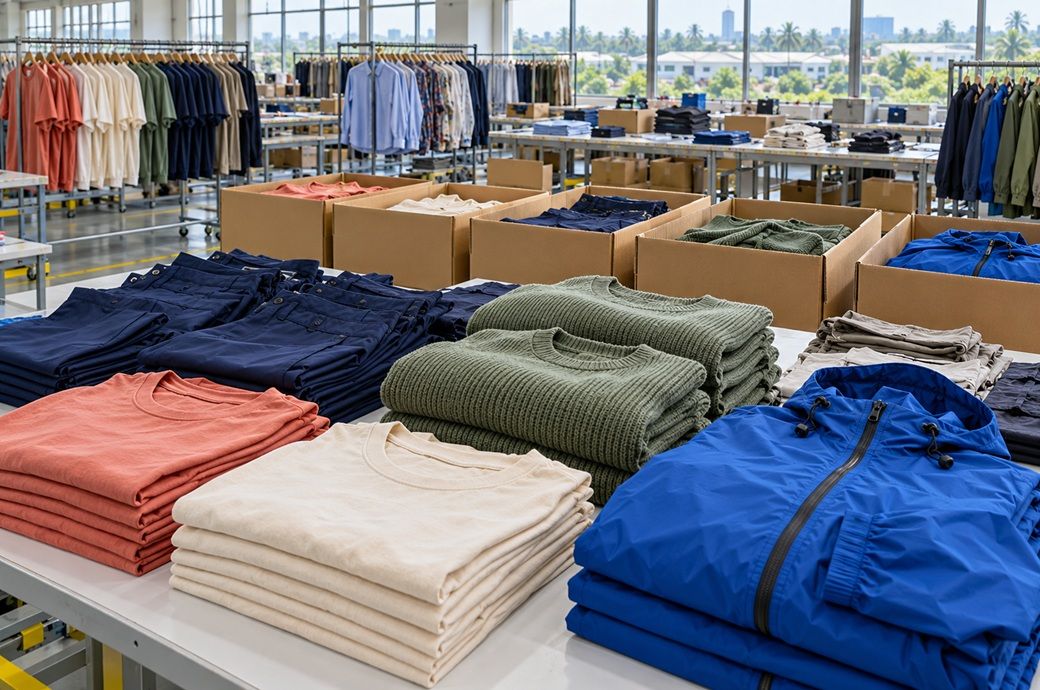



Bangladesh is already among the top suppliers of apparel to the US, particularly in basic knit and woven categories such as T-shirts, trousers and sweaters. A tariff advantage, even if modest, could sharpen its price competitiveness in high-volume, price-sensitive segments dominated by mass retailers.
The proposed Bangladesh–US trade understanding offering near zero-tariff access for garments has sparked debate in India’s textile sector.
While Bangladesh may gain a price edge in basic apparel, industry leaders believe the effective advantage could be limited to 2–3 per cent due to raw material dependence, capacity constraints and logistics costs.
However, Indian industry leaders argue that the net gain for Bangladesh may be restricted to around 2–3 per cent in effective competitiveness. They point to structural constraints, including Bangladesh’s heavy reliance on imported raw materials. A significant share of its fabric and yarn requirements is sourced from China and India, limiting flexibility in rules-of-origin compliance if strict value-addition conditions are attached to the deal.
Capacity limitations in spinning, weaving and man-made fibre processing are also seen as bottlenecks. While Bangladesh has built scale in garmenting, its upstream integration remains narrower than India’s diversified fibre-to-fashion base. Indian exporters emphasise that integrated supply chains offer advantages in speed, customisation and smaller batch production.
Logistics and lead times may further temper expectations. Distance from major US ports, coupled with infrastructure pressures and global shipping volatility, could offset part of the tariff benefit. In contrast, Indian suppliers have been investing in port connectivity, digital compliance systems and flexible production models to strengthen reliability.
Industry representatives also highlight that US buyers are increasingly factoring in sustainability, traceability and geopolitical risk. India’s growing adoption of renewable energy in textile clusters, compliance with global standards and broader product depth may help it retain strategic sourcing partnerships.
While some diversion of orders in basic categories cannot be ruled out, exporters believe the overall impact will be incremental rather than disruptive. The consensus view is that tariff preference alone is unlikely to override considerations of scale, compliance, diversification and long-term supply-chain resilience.
Fibre2Fashion News Desk (KUL)