

Last Updated:
For many, Singur continues to symbolise lost opportunity, intense political confrontation, and unfulfilled promises



Several farmers said they attempted farming after the land was returned, but the soil could no longer sustain crops. (News18)
Nearly 18 years after Singur became the epicentre of a political and industrial standoff, the West Bengal village is back in national focus. The land that once symbolised “Paribartan” in the run-up to the 2011 assembly elections is in the spotlight yet again, with Prime Minister Narendra Modi set to address a rally here on Sunday.
In October 2008, an eerie silence descended over nearly 1,000 acres of fertile land in Singur after Ratan Tata, then Chairman of the Tata Group, announced the relocation of the Nano car project from Singur to Sanand in Gujarat. Citing an adverse business environment, Tata spoke of a “good M” and a “bad M”, and famously said a gun had been placed to his head and the trigger had effectively been pulled.
Eighteen years later, ahead of elections in the state, PM Modi is scheduled to hold a meeting at “Tata’r Math”—an area still locally identified as Tata land. The site, where the factory was once coming up, has once again brought Singur into political focus. Although the land was returned to farmers following a court order, large stretches remain barren, with little to no cultivation having resumed. For many, Singur continues to symbolise lost opportunity, intense political confrontation, and unfulfilled promises.
News18 travelled to Singur to understand how residents view the prime minister’s visit. As one approaches Singur from the highway, BJP banners line the road. Three large hangars have been erected on the same ground where the Tata factory once stood, with work underway at a rapid pace and BJP leaders monitoring preparations round the clock.
Much of the land today shows no signs of farming. News18 spoke to both willing and unwilling land donors whose lives were transformed by the Singur movement. A walk across the fields reveals concrete remnants of the unfinished factory still buried beneath the soil, making cultivation nearly impossible.
Kaushik Bag, a farmer in his 60s, told News18 that he was a willing land donor who had given six bighas of land to the government for the Tata factory. He also underwent three months of training at the time, hoping for employment.
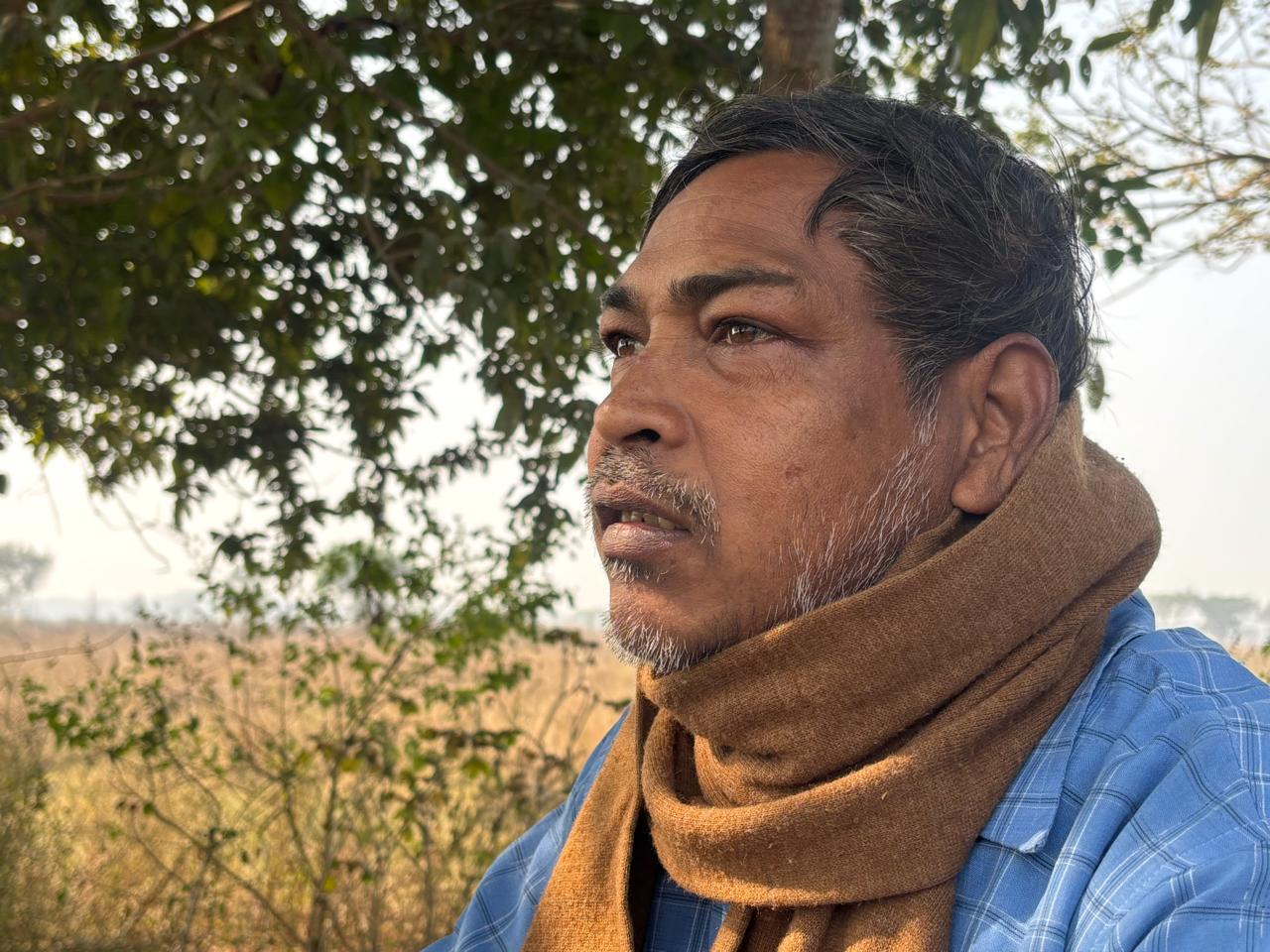
“Nothing materialised,” he said. Although the land was eventually returned, he maintains it is no longer cultivable. After nearly two decades of stagnation, he now hopes PM Modi’s visit will bring a change. “We thought this place would develop, we would get jobs and our struggles would end. The land that was returned is not fit for cultivation. We hope Modi-ji will announce something for this area,” he said.
Bag is not alone.
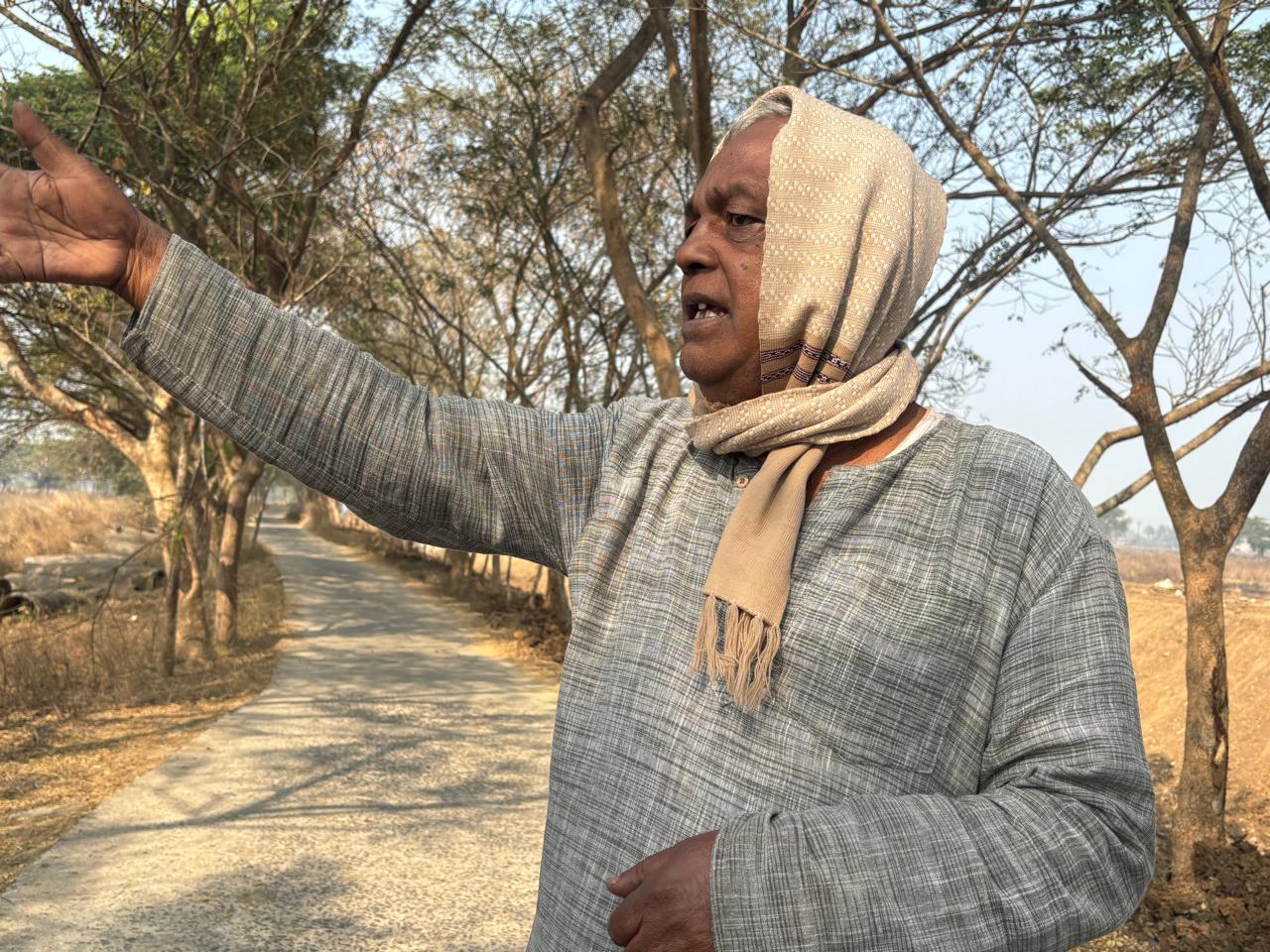
Shyamapado Das, now in his 70s, said he was an unwilling land donor who gave up three bighas. He participated in meetings and rallies during the movement, believing the land would be restored and farming would resume. Today, he says wild animals roam the fields and cultivation is impossible. Looking back, he believes Singur became a political battleground in which farmers were ultimately betrayed.
Swapan Mitra, whose father gave up one bigha of land, said his family trusted political assurances at the time—a decision he now calls a mistake. “We were drawn into politics,” he said, adding that he now wants the prime minister to intervene and help restore livelihoods. “We will attend the meeting. We want to see development here. At that time, TMC leaders, including Mamata Banerjee, made us believe certain things. Maybe the factory was a better option,” he said.
Manik Ghosh, a farmer who was part of the movement from its earliest days, now drives a Toto for a living. He told News18 he attempted farming after the land was returned, but the soil could no longer sustain crops. “I was there from the very first day of the movement. We thought the land movement was necessary. Now we feel it was politics. I feel cheated,” he said.
In Singur, PM Modi’s visit has revived expectations among residents for revival, recognition, and a possible new beginning.
News18 also travelled to Gopalnagar, the village where the Singur protest began and where hunger strikes were once held. Here, farmers now openly admit they were used as pawns in political battles.
Ashok Ghosh, a farmer from the village, said promises were made but never fulfilled. Sitting at the same spot where hunger strikes once took place, an elderly resident told News18, “Singur is known as the ‘Paribartan’ point, but what did we get? Those who became leaders never came back to see us. We were betrayed.”
Another farmer, Swapan Ghosh, echoed the sentiment, saying livelihoods were lost but accountability never followed.
Speaking to CNN-News18, BJP’s Sukanta Majumdar assured that Tata will be back if BJP comes to power in the state. “We are very excited that PM Modi will visit Singur. It will be the turning point for the party. I can assure that Tata will be brought back when we come to power this time. I have spoken to farmers of Singur and all of them want change. No industry wants to come here because of ‘tolabazi’ but we will bring Tata back.”
However, TMC’s Kunal Ghosh said: “PM Modi can come to Singur but we must remember that when the movement was on, Rajnath Singh had come to support Mamata Banerjee.”
Eighteen years after the Nano project left Singur, the land remains largely silent. Ahead of PM Modi’s visit, expectations are once again rising. The central question now is whether Singur will finally find a new identity or continue to stand as a reminder of a lost opportunity.
Singur, India, India
January 17, 2026, 09:41 IST
Read More