
After being named India’s sole entry on BBC Travel’s list of the 20 Best Places to Travel in 2027, Meghalaya is in the global spotlight. From ancient …
 1/7
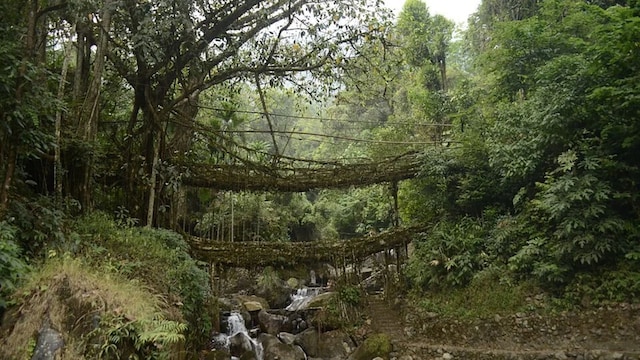
Nongriat | Tucked deep in the forests near Sohra (Cherrapunji) and reached via a steep descent of roughly 3,000 to 3,500 stone steps from Tyrna village, Nongriat is home to Meghalaya’s iconic double-decker living root bridge. Over generations, indigenous Khasi communities have hand-woven the aerial roots of rubber fig trees across roaring streams to create living pathways that grow stronger over time. (Image source: Wikimedia Commons)
 2/7
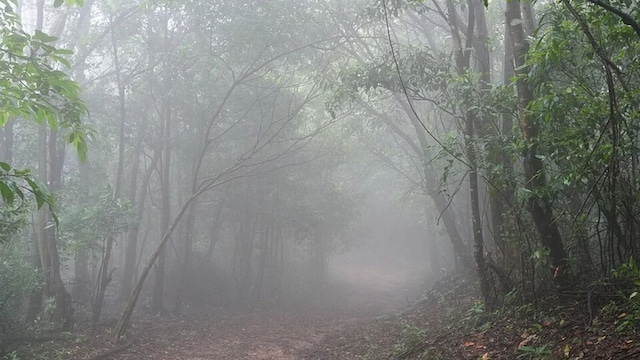
Nokrek Biosphere Reserve | Spread across the Tura Range in western Meghalaya, the UNESCO-recognised Nokrek Biosphere Reserve is a rich biodiversity hotspot sheltering rare wildlife, including the elusive red panda, hoolock gibbons, and over 200 bird species. Accessed via villages such as Daribokgre, the reserve also protects a unique citrus gene sanctuary home to Citrus indica, a wild ancestor of cultivated citrus fruits. (Image source: Wikimedia Commons)
 3/7
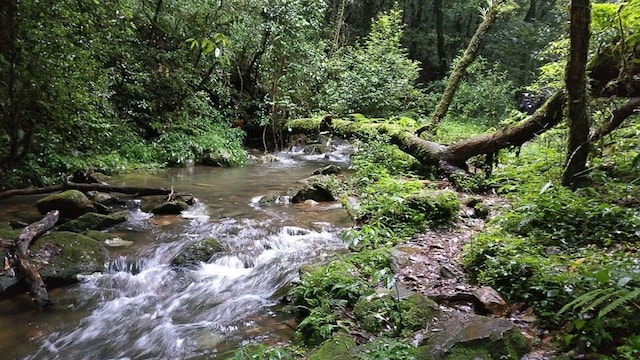
Mawphlang Sacred Grove | Located around 25 kilometres from Shillong, Mawphlang is an ancient forest preserved for centuries through Khasi spiritual traditions. Governed by strict community customs that forbid visitors from removing even a fallen leaf or twig, the dense woodland shelters centuries-old oaks, rhododendrons, rare orchids, and medicinal plants. (Image source: Wikimedia Commons)
 4/7
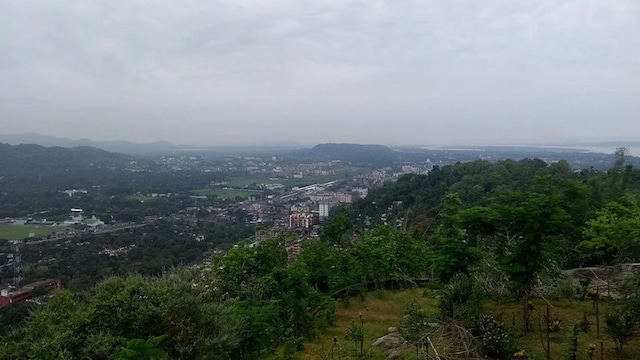
Shillong | Meghalaya’s capital city blends colonial-era charm, bustling local markets, and a vibrant live music culture that has long earned it the title of India’s rock capital. Every November, the city’s hills and lakesides turn pastel pink with blooming Himalayan cherry trees during the annual Shillong Cherry Blossom Festival. (Image source: Wikimedia Commons)
 5/7
Larnai village | Located roughly 58 kilometres from Shillong in the Jaintia Hills, Larnai is famed for preserving a nearly 1,000-year-old black pottery tradition crafted entirely by hand without a potter’s wheel. Local women artisans mix alluvial clay with powdered green serpentine stone, bake the vessels in open-air fires, and dip them in natural sohlia tree-bark extract to create durable matte-black cookware. (Representational image, Canva)
 6/7
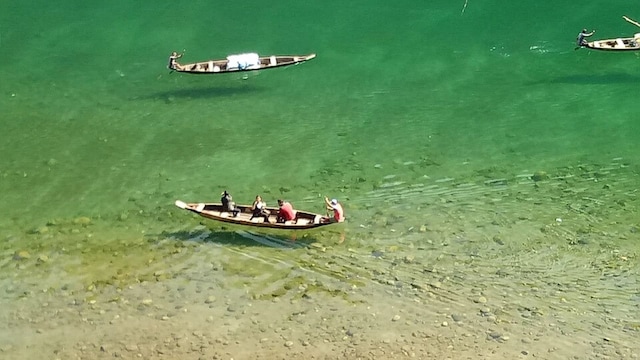
Dawki and Shnongpdeng | Set along the India–Bangladesh border in the West Jaintia Hills, Dawki and neighbouring Shnongpdeng are famous for the crystal-clear waters of the Umngot River. During the post-monsoon and winter months, the river becomes so transparent that wooden boats appear to float in mid-air over the pebble-strewn riverbed. (Image source: Wikimedia Commons)
 7/7
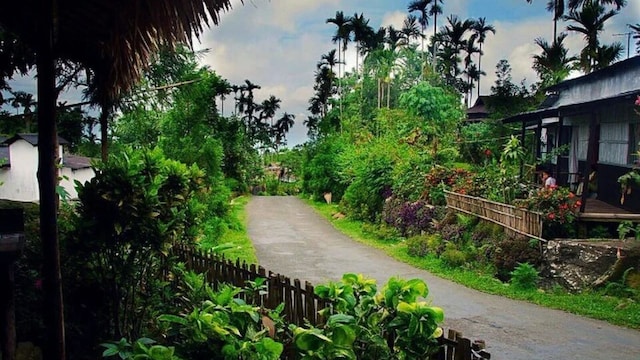
Mawlynnong | Perched near the southern edge of the East Khasi Hills, Mawlynnong is celebrated worldwide for its community-led cleanliness, manicured bamboo walkways, and flower-lined lanes. Surrounded by lush greenery, the village also offers panoramic views of the Bangladesh plains from its elevated bamboo skywalks and nearby living root bridges. (Image source: Wikimedia Commons)