
Some of the world’s busiest cities have fascinating histories hidden beneath their streets. From Roman ruins under Rome to ancient Aztec temples benea…
 1/8
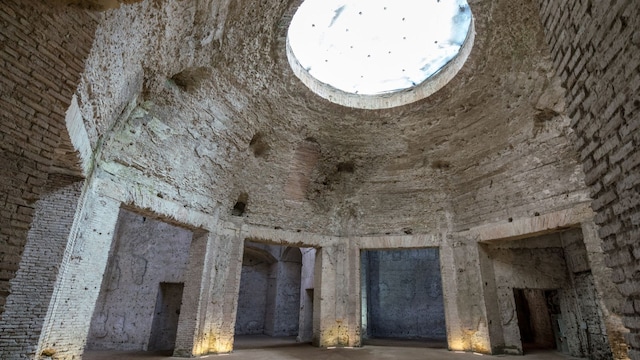
1. Rome, Italy – Explore The Ancient City Beneath The Streets | Modern Rome stands on layers of ancient buildings, roads, temples and houses built over several centuries. Some remains lie several metres below today’s streets. One of the most interesting places to explore is the Domus Aurea, the grand palace built by Emperor Nero after the Great Fire of Rome in AD 64. Visitors can explore its underground rooms, decorated walls and surviving architectural features through guided tours. The archaeological complex of Vicus Caprarius, near the Trevi Fountain, is another place where travellers can see the remains of ancient Roman houses and water systems. (Image: Canva)
 2/8
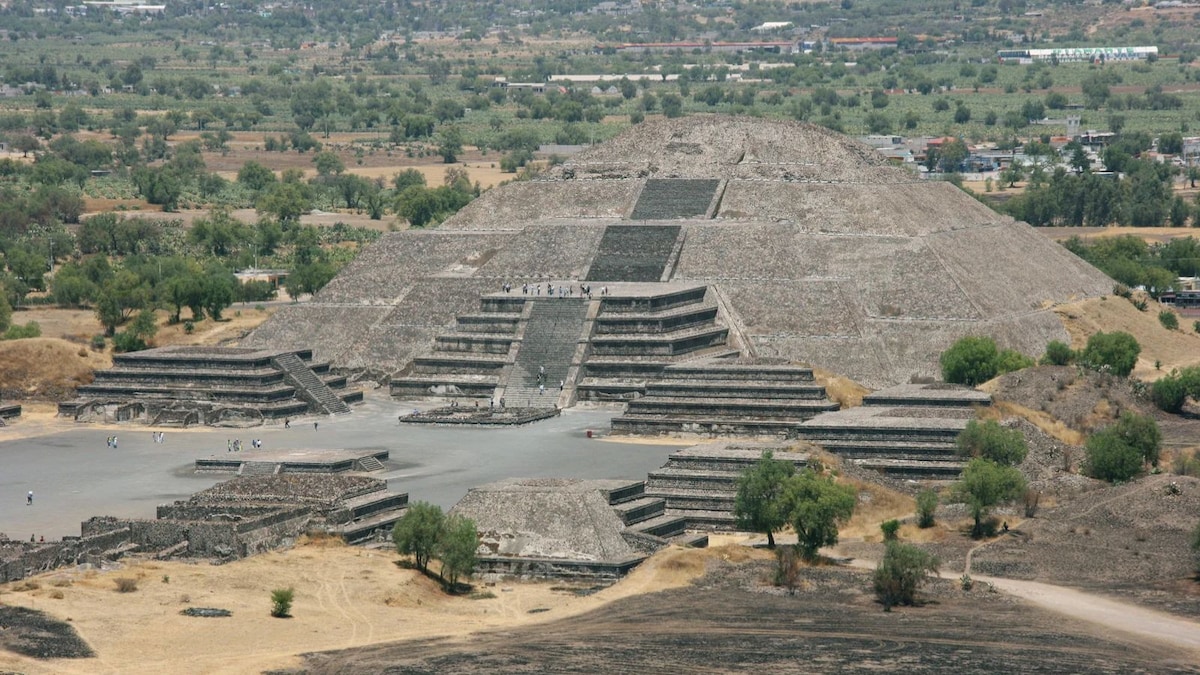
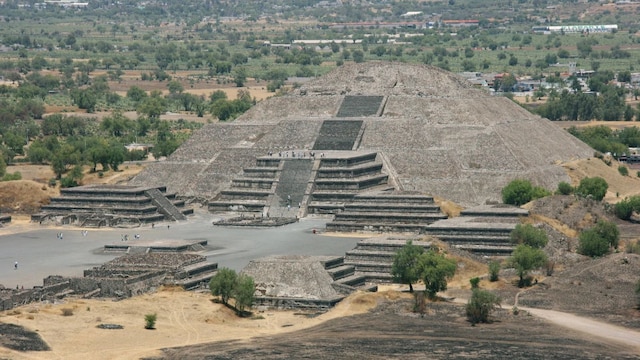
2. Mexico City, Mexico – Discover The Remains Of Aztec Tenochtitlan | Beneath the busy streets of Mexico City lie the remains of Tenochtitlan, the capital of the Aztec Empire. The city was founded in 1325 and became an important political and religious centre before the Spanish conquest in the 16th century. The Templo Mayor Archaeological Site is one of the most important places to visit. Located near the city’s main square, the Zócalo, it contains the remains of the great temple complex and several other structures. Its museum displays thousands of artefacts recovered during excavations. (Image: Canva)
 3/8
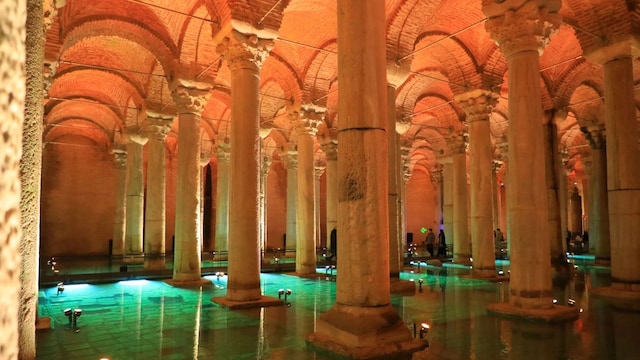
3. Istanbul, Türkiye – Walk Through A Byzantine Underground Reservoir | Modern Istanbul was once known as Constantinople, the capital of the Byzantine Empire. Several structures from that period survive beneath its historic streets. The Basilica Cistern, built in AD 532 under Emperor Justinian I, is among the most popular underground attractions. The enormous reservoir is supported by 336 marble columns and features two famous Medusa head sculptures. Visitors can walk along raised pathways and explore this example of Byzantine engineering. (Image: Canva)
 4/8
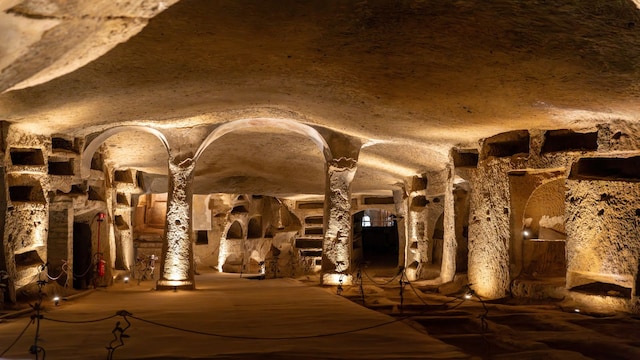
4. Naples, Italy – Explore Ancient Greek and Roman Tunnels | Beneath the historic centre of Naples is an extensive underground network that reflects the city’s Greek and Roman past. The tunnels were first carved into volcanic rock by the Greeks to obtain building material and were later developed into water systems by the Romans. At Naples Underground, visitors can explore ancient aqueducts, underground cisterns and parts of a Roman theatre. Some sections are located around 40 metres below the modern city, offering a different perspective on Naples’ long history. (Image: Shutterstock)
 5/8
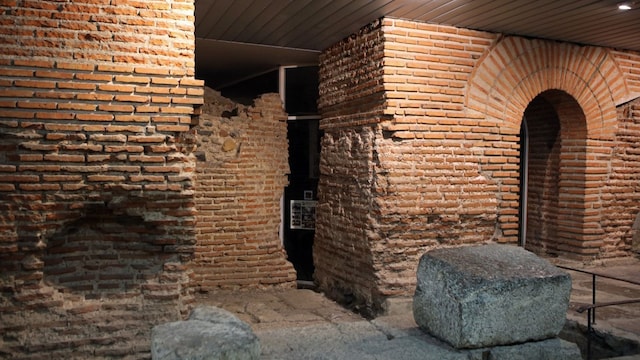
5. Sofia, Bulgaria – Find the Roman City of Serdica Beneath the Capital | The Bulgarian capital of Sofia was once known as Serdica, an important Roman settlement. Remains of the ancient town have been uncovered beneath the modern city centre, including roads, residential buildings, shops and water systems. The Serdica Archaeological Complex, located beneath Nezavisimost Square, allows visitors to walk among these excavated remains. Parts of an ancient Roman street and residential blocks can still be seen, making it an interesting stop for travellers exploring Sofia. (Image: Canva)
 6/8
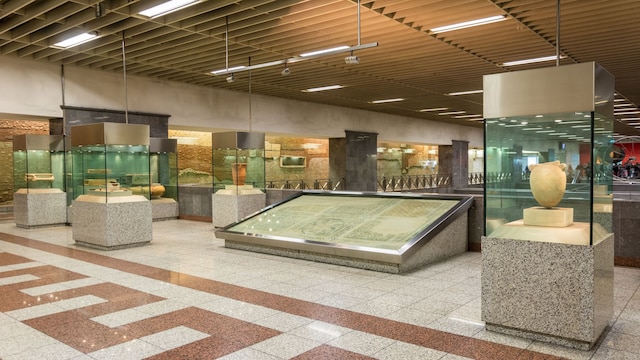
6. Athens, Greece – Discover Ancient Remains At Metro Stations | Athens is known for its ancient temples and historic landmarks, but its archaeological heritage also extends beneath its modern transport network. Excavations carried out during the construction of the Athens Metro uncovered thousands of artefacts and structures from different periods. At stations such as Syntagma, Monastiraki and Kerameikos, visitors can see archaeological displays featuring ancient objects, burial remains, water systems and sections of old roads. These exhibits offer travellers an unusual way to discover the city’s history while using public transport. (Image: Shutterstock)
 7/8
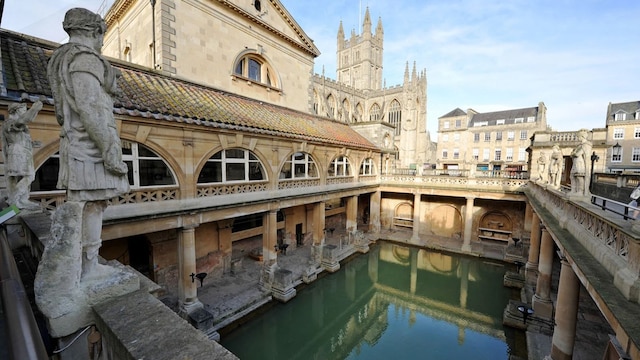
7. Paris, France – Visit The Remains Of Roman Lutetia | Long before Paris became the French capital, it was home to a Roman settlement known as Lutetia. Remains of this ancient town still lie beneath and around the modern city. One of the most important sites is the Cluny Roman Baths, which formed part of a large public bathing complex. The surviving structures offer a glimpse into Roman urban life, including its bathing and social traditions. Travellers can explore the remains as part of a visit to the Musée de Cluny, which is dedicated to medieval history. (Image: Canva)
 8/8
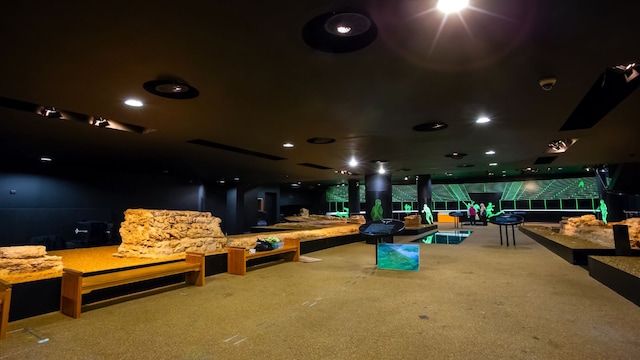
8. London, UK – See A Roman Amphitheatre Beneath The City | Modern London developed over the remains of Londinium, the Roman settlement established in the 1st century AD. Several archaeological discoveries have revealed parts of this settlement beneath the city’s streets and buildings. One such discovery is the Roman Amphitheatre, found beneath the Guildhall area. Built around AD 70, it was used for public entertainment, including gladiator contests. Visitors can see the excavated remains beneath the Guildhall Art Gallery and learn about the city’s Roman past. (Image: Shutterstock)