
The new rate takes effect on January 1, 2027. The decision followed 17 rounds of negotiations between employers and workers, which ultimately failed to produce a common figure. Employers wanted to retain the $210 rate, while the majority worker-side proposal stood at $225. When the National Council for Minimum Wage voted, the $210 proposal secured 47 of 51 votes. Prime Minister Hun Manet then reportedly added $2, bringing the official minimum to $212.
That is the decision. The real story, however, lies in what happened before it—and what different stakeholders made of it afterwards.
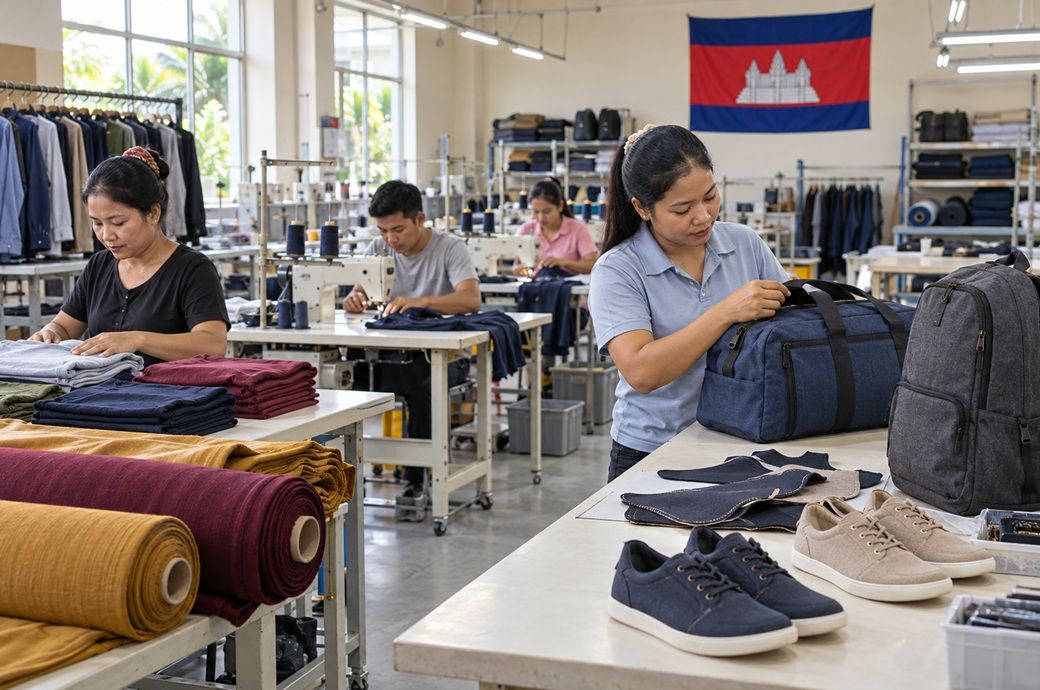
Cambodia has set a $212 monthly minimum wage for garment, textile, footwear and travel-goods workers from January 1, 2027, up $2 from $210.
Workers had sought $225 after unions earlier demanded $250.66; employers wanted to retain $210 with a temporary $2.50 allowance.
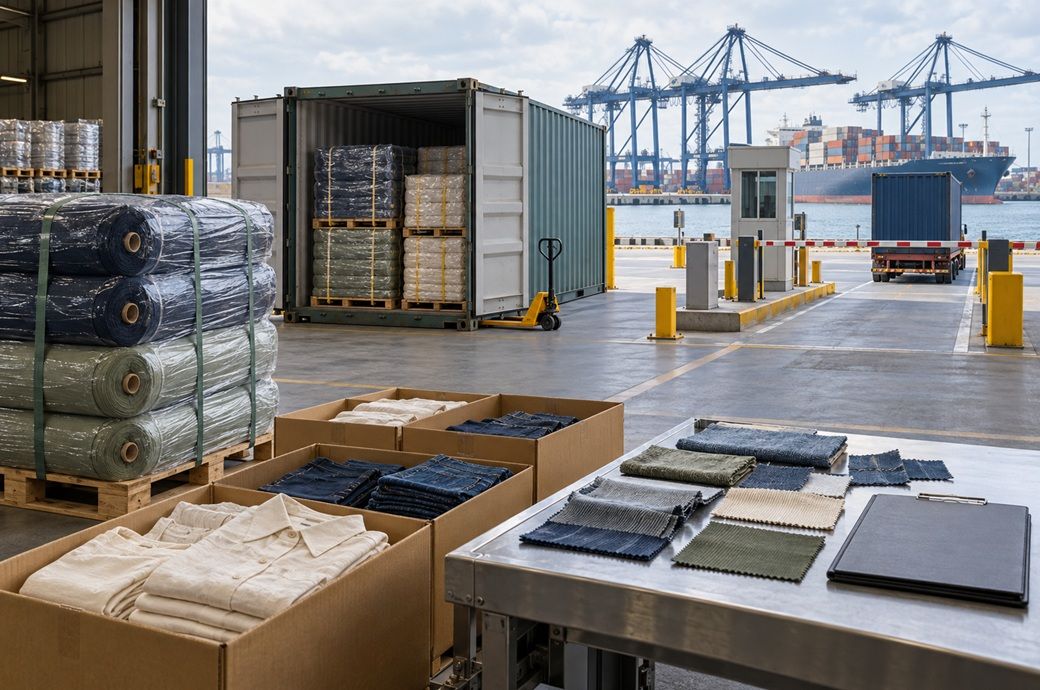
The sector employs nearly one million workers and exported $11.76 billion in the first eight months of 2026, up 7.2 per cent.
For workers and unions, the gap was never just $2. Seven trade unions had initially called for a minimum wage of $250.66, arguing that the existing wage had fallen short of the cost of meeting basic household needs. As negotiations progressed, the majority worker-side proposal settled at $225. The $250.66 demand was backed by 125 civil-society organisations, which said their position drew on research into workers’ living conditions and the gap between statutory wages and a living wage.
Their argument is fundamentally about purchasing power. A higher nominal wage does not necessarily mean a better standard of living if food, rent, utilities, transport, healthcare and education are rising at the same time.
Meanwhile, the president of the Cambodian Alliance of Trade Unions reportedly called the $2 increase inadequate, arguing that it could not meaningfully respond to inflation and expressing concern that some workers struggled to afford sufficiently nutritious food.
Employers approached the same number from the opposite direction. Their proposal was to keep the minimum at $210 while retaining the temporary $2.50 monthly allowance for transport and accommodation costs introduced earlier in 2026.
Their concern is the cost of remaining competitive in an export industry exposed to international buyers and regional rivals. In the negotiations, employer-side representatives reportedly pointed to productivity, profitability, labour-market conditions and Cambodia’s competitiveness as factors that must accompany any discussion of wages.
The government’s position sits between those competing pressures. Cambodia’s minimum-wage framework is built around balancing workers’ needs with factors including family circumstances, inflation, cost of living, productivity, national competitiveness, labour-market conditions and sector profitability.
The government has therefore portrayed the $212 outcome as a compromise under difficult economic circumstances rather than simply a wage calculation.
Meanwhile, a renowned economist of the country, quoted after the decision, similarly framed the dispute as a clash of interests: workers want higher incomes, while employers want to contain costs. He also pointed to global uncertainty, wars and geopolitical tensions as additional pressures on businesses, while reportedly acknowledging that a $2 increase would not fully offset rising prices.
The stakes explain why the argument is so intense. Cambodia’s garment, footwear and travel-goods sector employs nearly one million workers, most of them women, and recorded $11.76 billion in exports in the first eight months of 2026, up 7.2 per cent year on year.
The $212 decision settled the contentious minimum-wage issue for now, but it also brought the underlying fault lines into sharper focus. Workers argued for a wage that better reflected the rising cost of living; employers prioritised containing costs and protecting competitiveness; and the government sought to strike a balance between the two.
In the end, neither side got what it wanted. Workers secured a $2 increase, but the final figure remained well below their $225 negotiating position and the earlier $250.66 demand. Meanwhile, employers failed to preserve the $210 minimum they sought. The $212 figure is therefore less a victory for either side than a measure of the competing pressures shaping Cambodia’s most important export industry.
Fibre2Fashion News Desk (DR)