
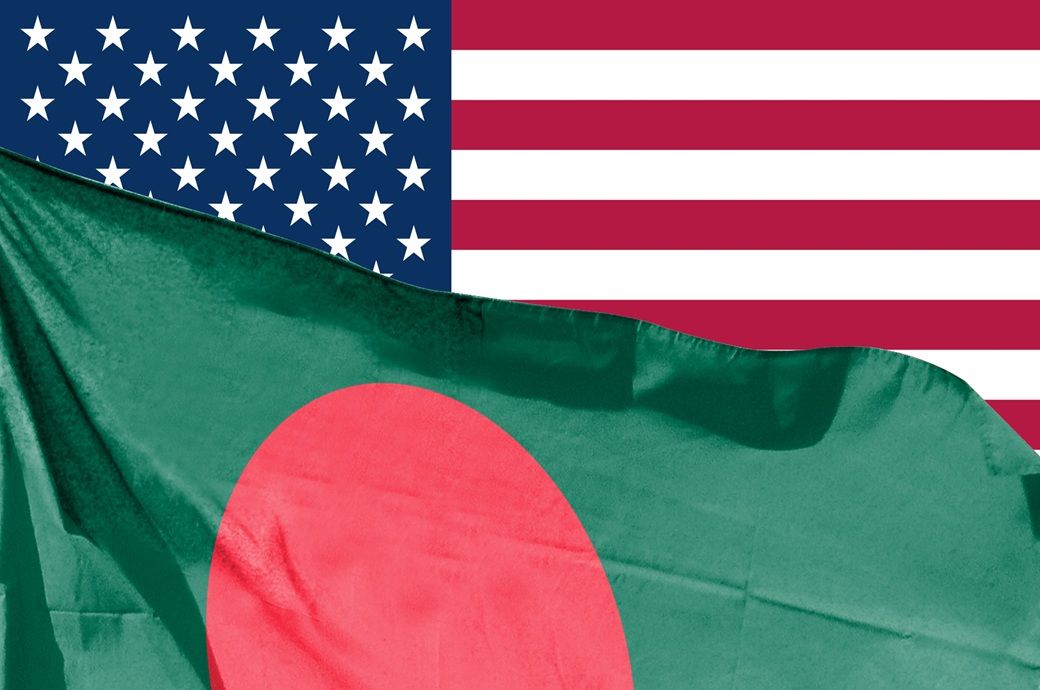
A July 23 US presidential memorandum directed the USTR to establish three-year Tariff-Rate Quotas (TRQs) for Bangladesh, Cambodia, Indonesia and Malaysia. The arrangement will reportedly cover specified volumes of textile and apparel products in direct relation to the quantity of US textile and cotton exports purchased or imported by Bangladesh, allowing qualifying exports to enter the US without the additional Section 301 tariff.
Bangladesh may gain a time-bound edge in the US apparel market through three-year TRQs for selected textile and cotton products, while India is excluded.
Qualifying exports would avoid the additional Section 301 tariff, but the mechanism is not yet operational.
India is reportedly weighing similar concessions; impact will depend on quota volumes, sourcing costs and US clarity.
However, the detailed TRQ mechanism was not yet operational.
India, notably, has not been included in the proposed arrangement.
But whether that advantage will put Bangladesh decisively ahead of India remains to be seen.
On paper, it would certainly strengthen Bangladesh’s competitive advantage. The country is a major apparel exporter to the US and one of India’s key competitors as well.
The proposed TRQ, however, is not an open-ended advantage as it would initially run for three years.
The benefit, therefore, even if significant, is time-bound.
Bangladesh’s case looks stronger when viewed alongside the proposed broader US tariff structure. Bangladesh and India have been placed in the 10 per cent additional tariff tier, while China and Vietnam face a higher 12.5 per cent rate. With Bangladesh potentially receiving the TRQ advantage on top of the lower tariff tier, its exporters could enjoy a meaningful advantage over competitors excluded from the carve-out.
Meanwhile, media reports citing sources claimed that India’s Textiles Ministry has begun internal discussions on how to respond to the US-proposed TRQ concessions for competing textile and apparel exporters, including Bangladesh. One option reportedly under consideration is to seek a similar dispensation for Indian exporters.
The reports, citing sources, further underlined that the Ministry was awaiting operational clarity from Washington on the TRQ framework and is expected to engage with the US Commerce Department on the matter.
For Bangladesh, the TRQ, many believe, could be an opportunity, but not necessarily a game changer, while adding that the real impact will depend on a host of factors including quota volumes, sourcing costs, etc., and whether India ultimately secures a similar concession or not.
Considering all relevant aspects, one cannot deny that Bangladesh may have been handed a head start, but whether it can convert the TRQ advantage into a decisive edge will depend on what happens next.
Fibre2Fashion News Desk (DR)