
That is an uncomfortable prospect for a sector whose exports are moving in the right direction. As per reports, Vietnam’s textile and garment export turnover reached an estimated $4.672 billion in July 2026, up 8.2 per cent from June and 4.3 per cent from July 2025, while for the first seven months, exports climbed to around $27.02 billion, a reported 2.67 per cent increase over the same period last year.
Meanwhile, garments remained at the heart of that growth. Apparel exports alone were estimated at $3.738 billion in July, rising 8.9 per cent month on month and 2.1 per cent year on year.
Vietnam’s textile and garment exports rose to an estimated $4.672 billion in July 2026, with seven-month shipments at $27.02 billion.
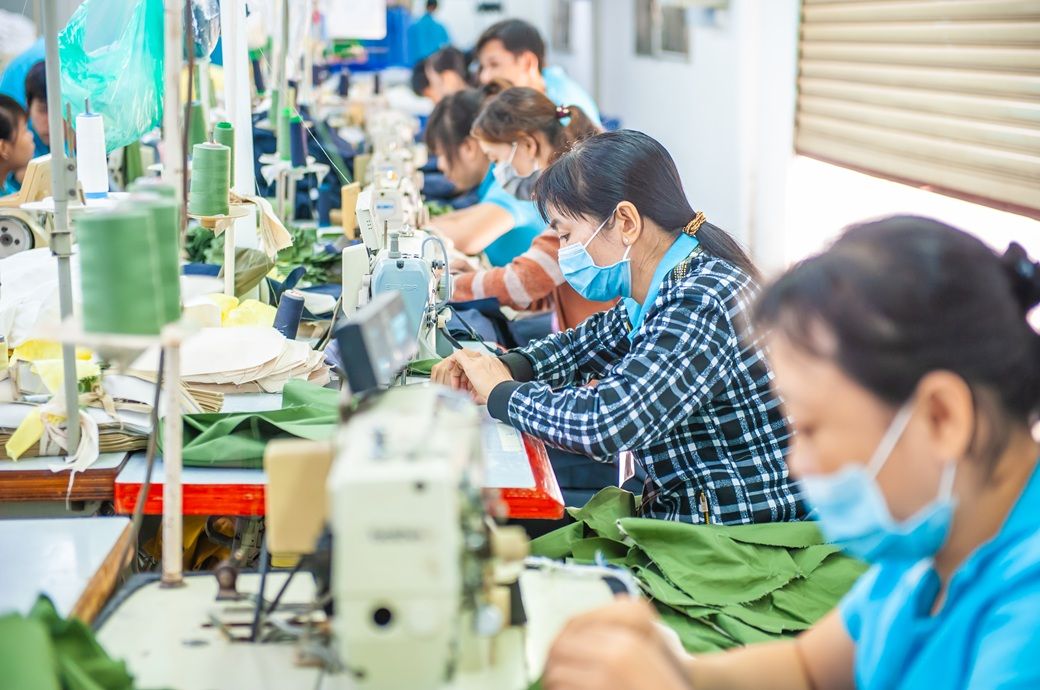
Labour shortages are emerging as 130,000-150,000 Vietnamese reportedly take overseas jobs each year, while electronics and machinery firms compete for workers.
Garment factories may struggle to meet order deadlines or secure new contracts if manpower gaps persist.
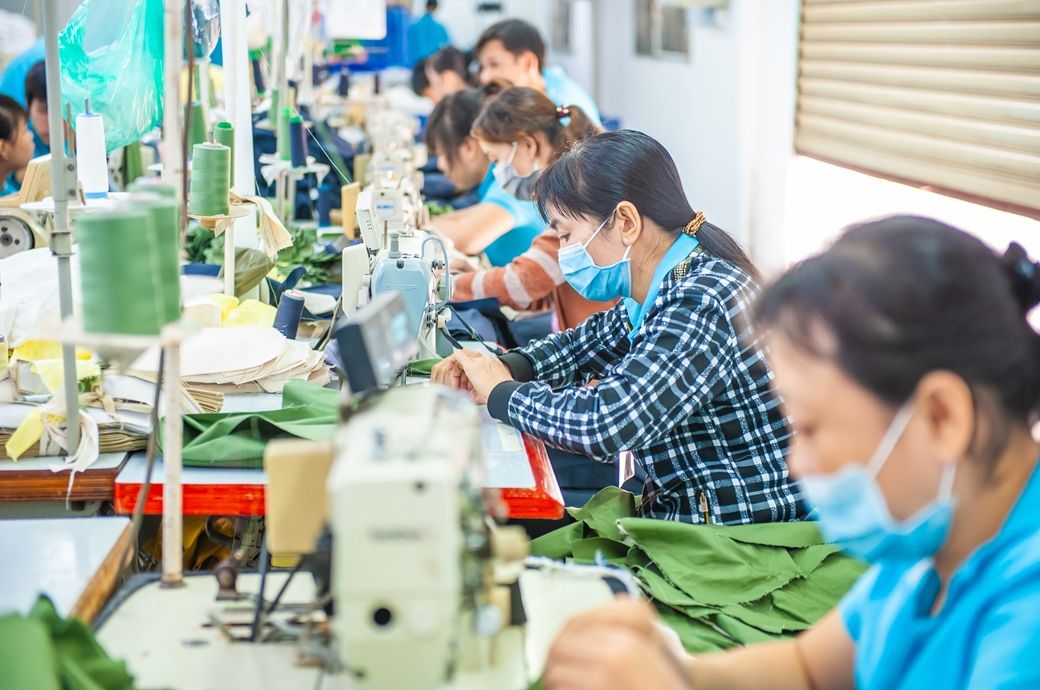
But behind this positive export story is a problem that could prove increasingly difficult to stitch up: does Vietnam have enough hands to keep the production line moving?
As per recent media reports, Vietnam’s garment and seafood sectors are facing labour shortages despite higher wages, as the government expands efforts to send more workers overseas for better-paying jobs.
Between 130,000 and 150,000 Vietnamese reportedly leave the country for overseas employment every year, according to reports citing home ministry data in this regard. By the end of last year, the overseas labour market had reached nearly 900,000 workers. In May alone, 1,948 Vietnamese reportedly travelled abroad for employment in destinations including China, Japan, South Korea, Singapore and Europe.
For apparel manufacturers, the competition is coming from closer to home as well. Electronics and machinery companies are also reportedly competing aggressively for the same workforce, making it harder for garment factories to recruit and retain workers.
The Vietnam Textile and Apparel Association has reportedly described competition for labour as “increasingly fierce”. Its officials have reportedly warned at an industrial conference in July that many garment factories lacked sufficient manpower to meet order deadlines or secure new contracts.
Vietnam has spent years strengthening its position as a global apparel sourcing hub by securing orders, diversifying markets and improving production efficiency. But none of that matters if there are not enough workers on the factory floor.
So, even as the export engine accelerates, the workforce required to keep the momentum going seems to be in short supply and, unless Vietnam can close that gap, manpower, many believe, could become the thread that starts to unravel its growth story.
Fibre2Fashion News Desk (DR)