
As India prepares to celebrate Independence Day 2026, planned cities across the country tell the story of its economic and urban transformation. From …

 1/10
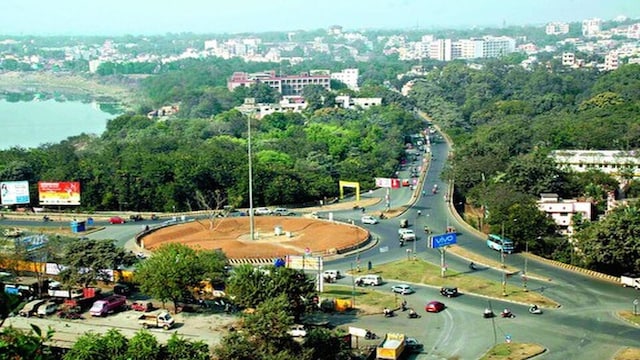
1/10Jamshedpur, Jharkhand (1907) | India’s pioneering industrial township | When Tata Steel was founded in 1907, Jamshedpur was planned around the steel plant, with housing, roads, schools, hospitals and parks built alongside industry. It became a landmark model for industrial townships and helped lay the foundations for India’s industrial growth. (Image: Wikimedia Commons)
 2/10
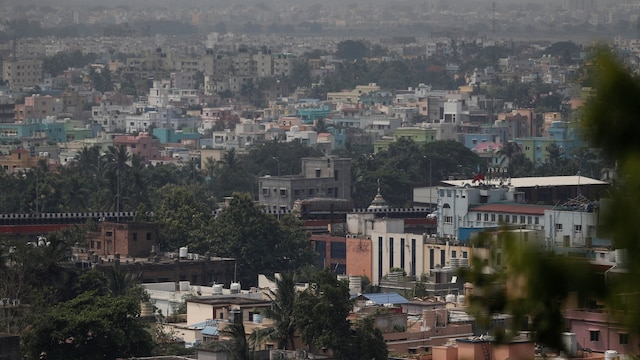
2/10Bhubaneswar, Odisha (1946) | One of India’s earliest planned capitals | Designed by German planner Otto Königsberger in 1946, Bhubaneswar was built around wide roads, green spaces and organised neighbourhoods. It became Odisha’s capital in 1948 and emerged as one of independent India’s earliest experiments in modern, planned city-building. (Image: Reuters)
 3/10
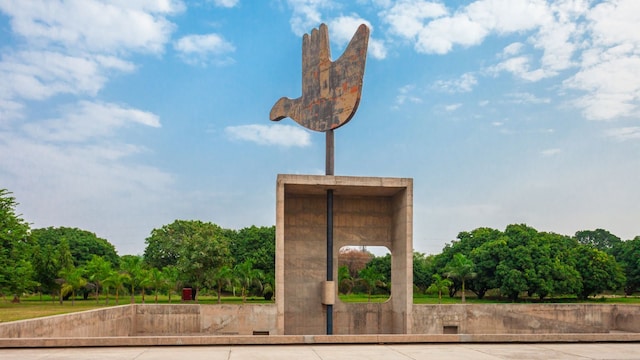
3/10Chandigarh | The planned city that symbolised a new India | Planned after Independence by Albert Mayer and later Le Corbusier, Chandigarh introduced a sector-based urban model with housing, markets, schools, healthcare and open spaces. It became one of the world’s best-known examples of modernist urban planning and a symbol of India’s nation-building ambitions. (Image: Canva)
 4/10
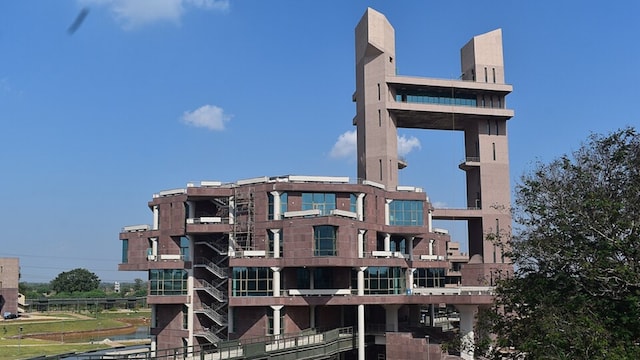
4/10Bhilai, Chhattisgarh (1955) | The Soviet-assisted steel city | Built around the Bhilai Steel Plant with Soviet assistance, the city was planned with residential sectors, schools, hospitals, markets and civic infrastructure. Bhilai became a defining symbol of post-Independence India’s push to build a self-reliant industrial economy through heavy industry. (Image: Wikimedia Commons)
 5/10
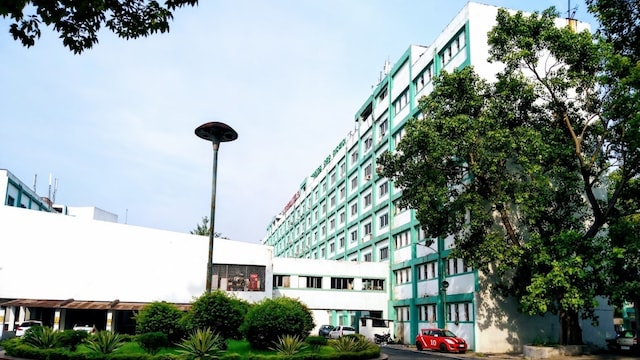
5/10Rourkela, Odisha (1955) | The German-assisted steel township | Rourkela developed around its steel plant with German collaboration, with planned residential sectors, roads, schools and civic facilities. It became a major industrial city and reflected post-Independence India’s ambition to build a modern economy through steel and heavy industry. (Image: Wikimedia Commons)
 6/10
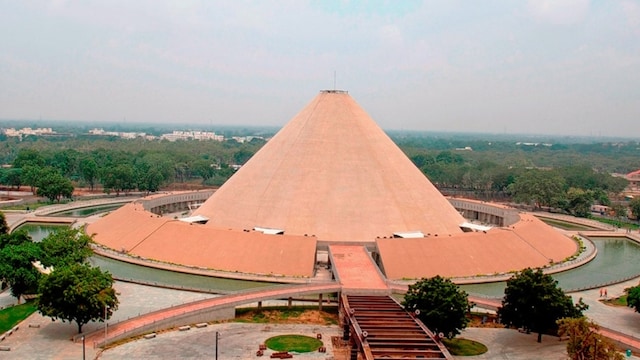
6/10Gandhinagar, Gujarat (1965) | India’s planned state capital | Planned after Gujarat became a separate state in 1960, Gandhinagar was designed around numbered sectors, broad roads and extensive greenery. Unlike Ahmedabad’s centuries-old urban fabric, the new capital was deliberately built as a modern administrative city. (Image: Wikipedia)
 7/10
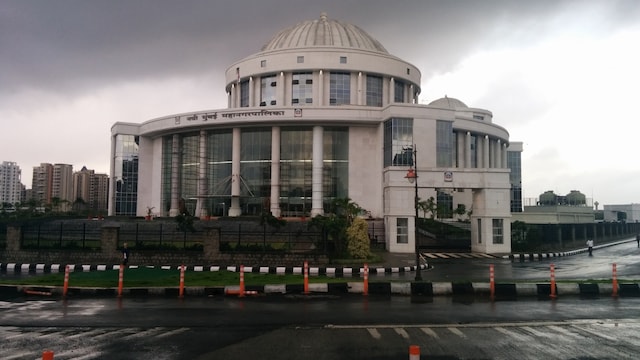
7/10Navi Mumbai, Maharashtra (1971) | The city built to ease Mumbai’s pressure | Developed by CIDCO from the 1970s, Navi Mumbai was conceived as a planned satellite to Mumbai. Its network of nodes combined housing, employment centres, transport and civic infrastructure, creating one of India’s largest experiments in planned metropolitan expansion. (Image: Wikipedia)
 8/10
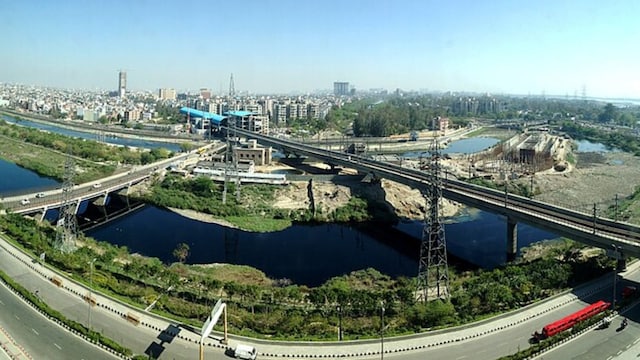
8/10Noida, Uttar Pradesh (1976) | Delhi’s planned satellite city | Established in 1976, Noida was designed as an integrated industrial and urban centre near Delhi. Its planned sectors and wide roads helped it evolve from an industrial satellite into a major NCR hub for IT, offices, education and real estate. (Image: Wikimedia Commons)
 9/10
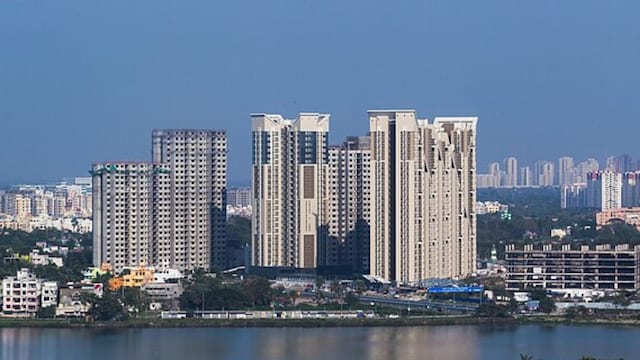
9/10New Town, Kolkata, West Bengal (1999) | The planned city of India’s services era | Developed in Rajarhat as a satellite to Kolkata, New Town was planned around residential, commercial, institutional and IT districts. Its growth reflects India’s shift from industrial townships towards cities driven by technology, services, offices and modern infrastructure. (Image: Wikimedia Commons)
 10/10
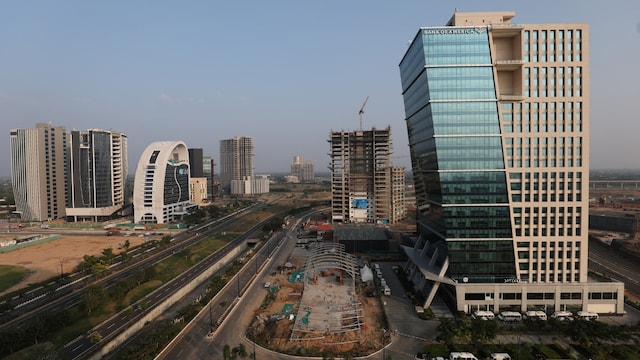
10/10GIFT City, Gujarat (2007 onwards) | India’s global financial hub | Conceived as a greenfield financial and technology hub between Ahmedabad and Gandhinagar, GIFT City represents a new generation of planned urban development. Its International Financial Services Centre and business ecosystem reflect India’s ambitions in global finance, technology and services. (Image: Reuters)