
Executive opening
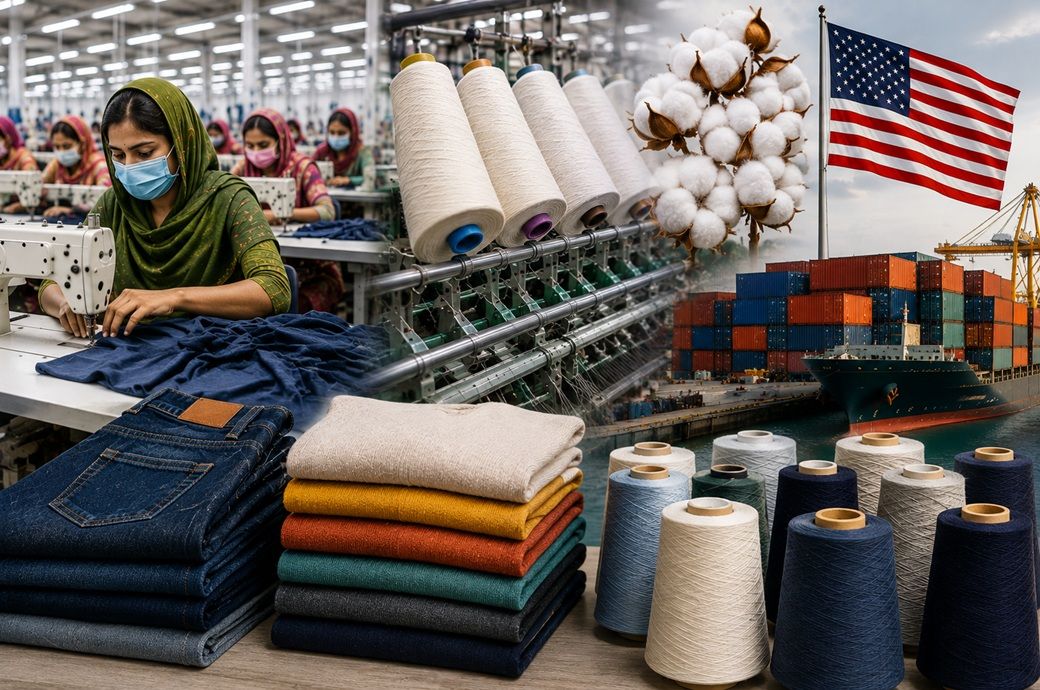
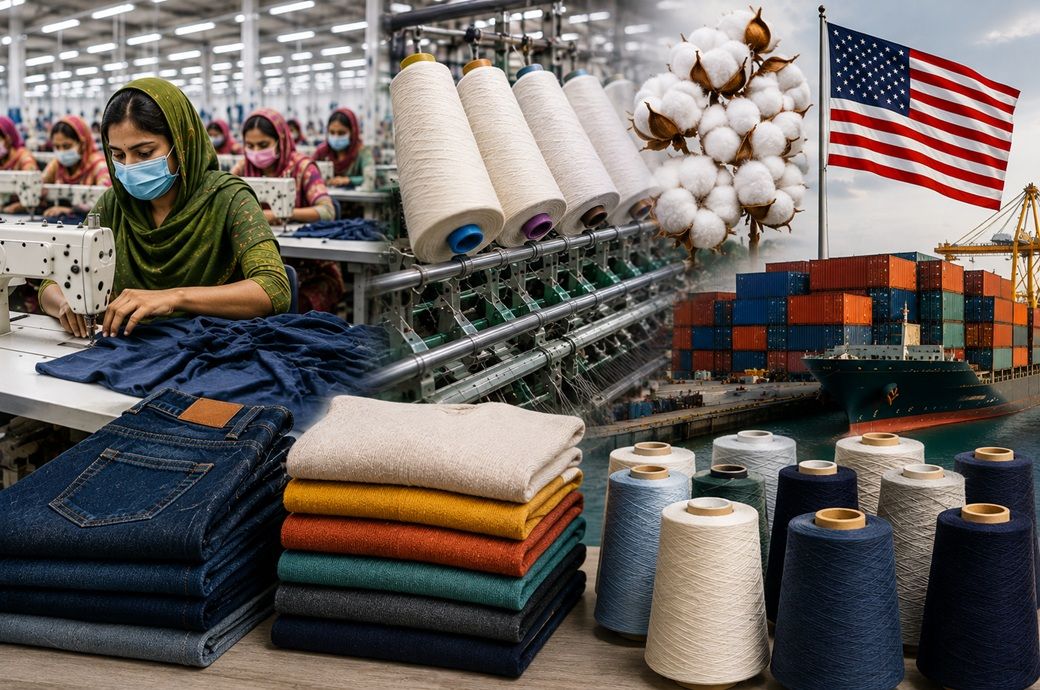
Bangladesh is quietly rewiring the economics of its garment industry, the country’s largest export earner. Three policy moves, all landing within weeks of each other, push in one direction: make clothes using traceable, locally processed fibre, ideally American cotton or earn less on every shipment. For a sector that has long competed on cheap assembly rather than on what its fabric is made of, this is a meaningful change of strategy.
Market and supply-chain analysis
The first move came from the central bank. On July **, ****, Bangladesh Bank raised the cash incentive for exporters who use locally sourced yarn and fabric to * per cent, up from *.* per cent, more than triple the earlier rate, for the financial year to June ****. The second is a draft Import Policy Order for ****–****, approved in principle by the Cabinet on July *. It lifts the minimum “value addition”, the share of a garment’s worth created inside Bangladesh, to ** per cent for most clothing, from **–** per cent. Factories that miss the threshold lose both the cash incentive and duty-free access to imported inputs.