
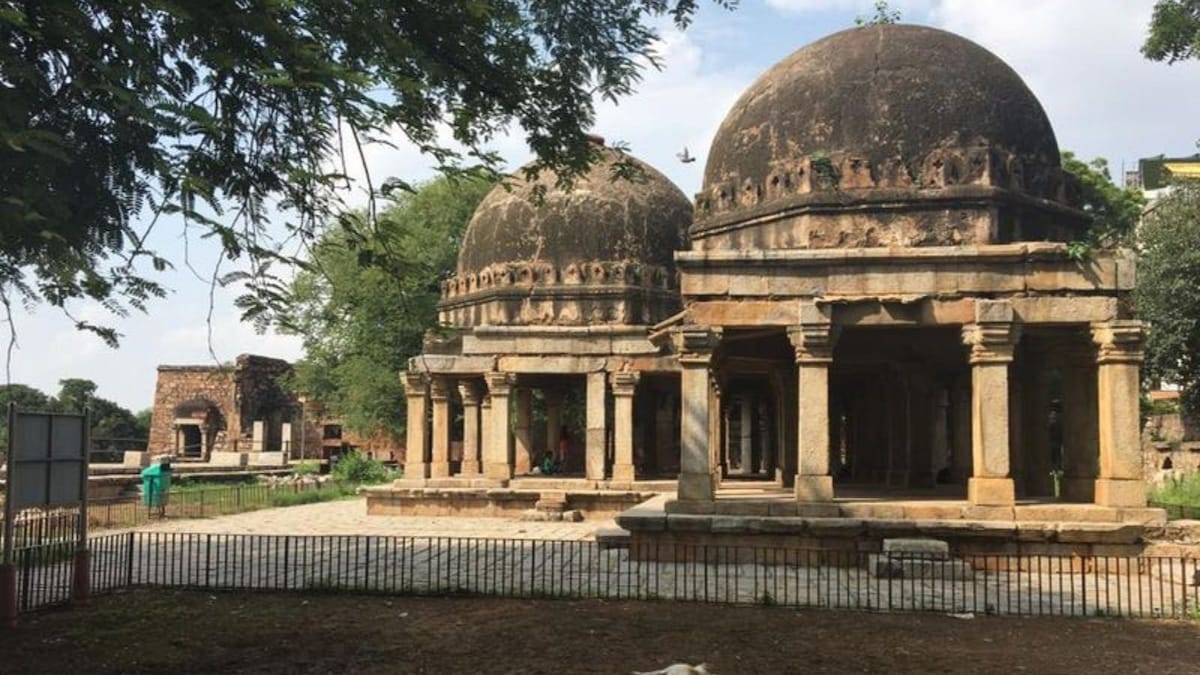
Beyond the Red Fort, India Gate and Qutub Minar lies a quieter side of Delhi, where forgotten stepwells, medieval forts, hidden shrines and leafy urba…

 1/10
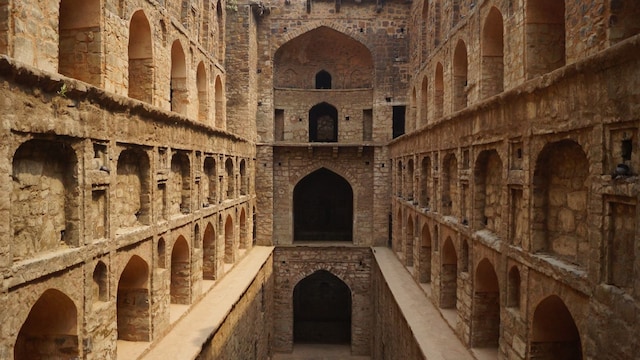
1/101. Agrasen ki Baoli | Hidden just off the bustle of Connaught Place, Agrasen ki Baoli is an ASI-protected stepwell with 108 symmetrical stone steps descending deep into the ground. Although local legends attribute it to the ancient king Agrasen, historians believe the present structure was rebuilt during the Delhi Sultanate period. Today, it remains one of Delhi’s most photogenic heritage sites. (Image: Wikimedia Commons)
 2/10
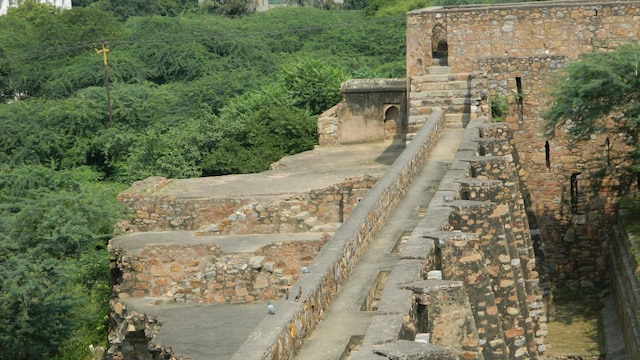
2/102. Satpula Bridge | Built during the reign of Muhammad bin Tughlaq in the 14th century, Satpula was designed as both a bridge and a water-harvesting dam. Its seven arches once served defensive as well as civic purposes. Visit around sunset for striking views of the medieval structure. (Image: Wikimedia Commons)
 3/10
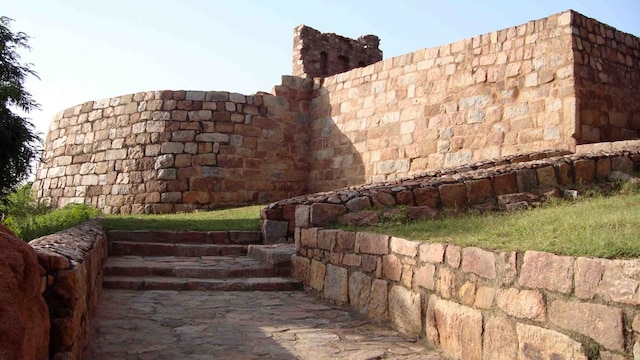
3/103. Tughlaqabad Fort | One of Delhi’s largest yet least-visited forts, Tughlaqabad Fort features towering stone walls, vast courtyards and panoramic views of the city. Built in the 14th century by Ghiyas-ud-din Tughlaq, it is a favourite among history enthusiasts and photographers looking to explore away from the crowds. (Image: Wikimedia Commons)
 4/10
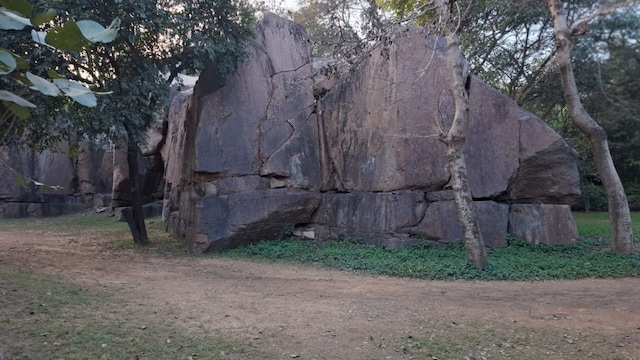
4/104. Sanjay Van | Spread across hundreds of acres near Vasant Kunj and Mehrauli, Sanjay Van is one of Delhi’s largest urban forests. Its walking trails, rich birdlife and dense greenery offer a peaceful escape from the city’s bustle, making it popular with walkers, cyclists and nature lovers. (Image: Wikimedia Commons)
 5/10
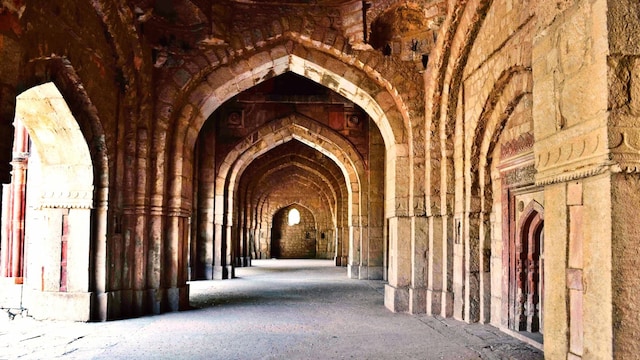
5/105. Jamali Kamali Mosque and Tomb | Located within Mehrauli Archaeological Park, this elegant mosque and adjoining tomb honour the Sufi saint Shaikh Jamali Kamboh. The richly decorated interiors, adorned with intricate tilework and Quranic inscriptions, make it one of Delhi’s most underrated architectural treasures. (Image: Wikimedia Commons)
 6/10
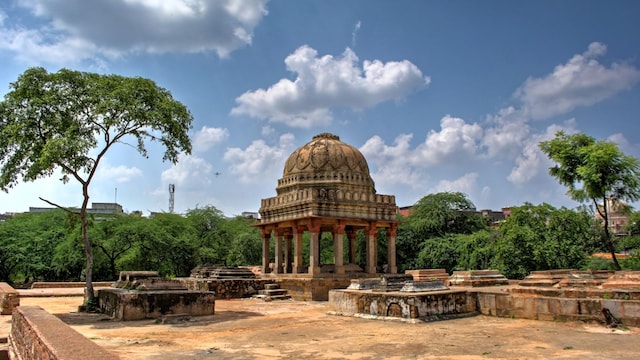
6/106. Mehrauli Archaeological Park | Spanning more than 200 acres, Mehrauli Archaeological Park is home to over 100 historically significant monuments dating from the Tomar, Delhi Sultanate and Mughal periods. Wander through centuries-old tombs, stepwells, mosques and pavilions, all within walking distance of the Qutub Minar. (Image: Wikimedia Commons)
 7/10
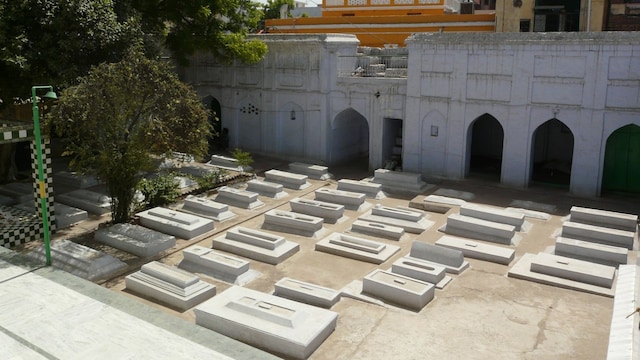
7/107. Hijron Ka Khanqah | Hidden in the lanes of Mehrauli, Hijron Ka Khanqah is a 15th-century Sufi shrine traditionally associated with the hijra (transgender) community. Its quiet courtyard and whitewashed walls offer a peaceful retreat rarely visited by mainstream tourists. (Image: Wikimedia Commons)
 8/10
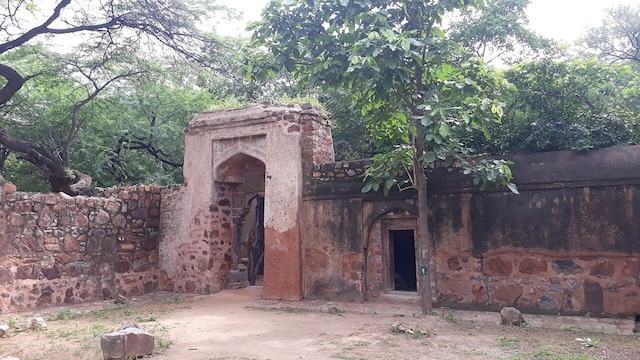
8/108. Bhuli Bhatiyari Ka Mahal | Nestled inside Bhuli Bhatiyari Ka Mahal Park, this 14th-century hunting lodge is one of Delhi’s most atmospheric ruins. Surrounded by dense greenery and local folklore, it has become a favourite destination for travellers interested in the city’s lesser-known history. (Image: Wikimedia Commons)
 9/10
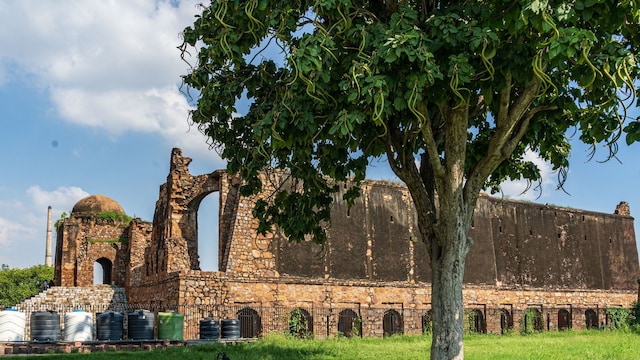
9/109. Feroz Shah Kotla Fort | Built in 1354 by Sultan Feroz Shah Tughlaq, the fort is famous for its Ashokan Pillar, a 3rd-century BCE sandstone column relocated here from present-day Haryana. Despite its historical importance, the monument remains far less crowded than many of Delhi’s iconic landmarks. (Image: Wikimedia Commons)
 10/10
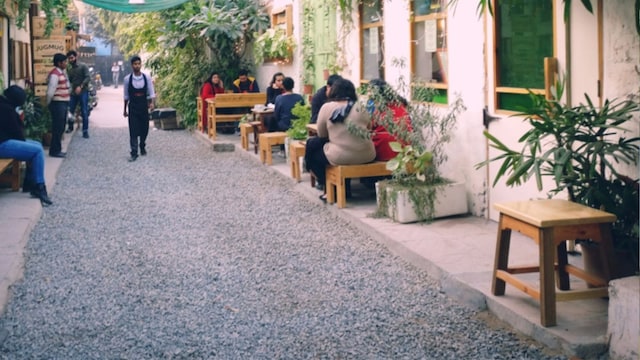
10/1010. Champa Gali | Offering a completely different side of Delhi, Champa Gali is a charming lane lined with independent cafés, bookstores, design studios and boutique stores. Popular with the city’s creative community, it is an ideal place to unwind over coffee after a day of exploring Delhi’s historic sites. (Image: Wikimedia Commons)