
From Delhi’s Khari Baoli to Istanbul’s Spice Bazaar, these six historic spice markets continue to preserve centuries-old trading traditions while draw…

 1/6
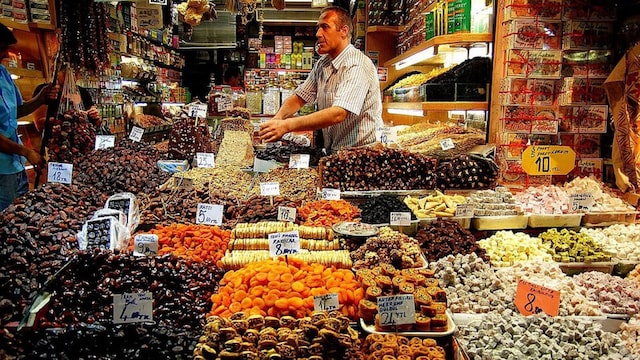
1/6Spice Bazaar (Mısır Çarşısı), Istanbul, Türkiye | Built in the 17th century as part of the Yeni Mosque complex, Istanbul’s Spice Bazaar is one of the world’s best-known spice markets. Historically, it served as a major centre for the spice trade within the Ottoman Empire, with goods arriving from Asia, the Middle East and beyond. Today, its vaulted corridors are lined with shops selling saffron, sumac, dried herbs, teas, Turkish delight, nuts and dried fruits, making it one of Istanbul’s most visited historic landmarks. (Image source: Wikimedia)
 2/6
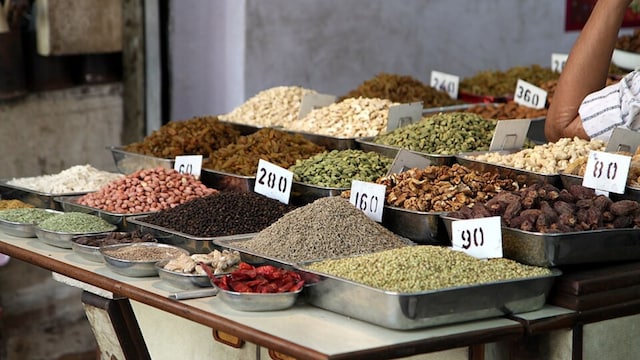
2/6Khari Baoli, Delhi, India | Located beside the historic Fatehpuri Mosque in Old Delhi, Khari Baoli has been at the heart of India’s spice trade since the 17th century. Widely recognised as Asia’s largest wholesale spice market, it is home to traders dealing in turmeric, red chillies, cardamom, cloves, cinnamon, black pepper, dried fruits and herbs. The bustling market remains a vital commercial hub while offering visitors a glimpse into India’s centuries-old spice-trading heritage. (Image source: Wikimedia)
 3/6
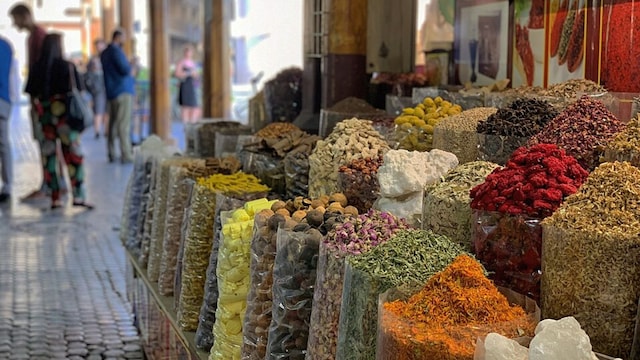
3/6Dubai Spice Souk, Dubai, United Arab Emirates | Nestled in the historic Deira district, the Dubai Spice Souk reflects the city’s long-standing role as a regional trading hub linking Asia, Africa and the Middle East. Its narrow lanes are lined with merchants selling saffron, frankincense, dried lemons, cinnamon, cloves, herbs and traditional spice blends. Today, it remains one of Dubai’s best-known heritage markets. (Image source: Wikimedia)
 4/6
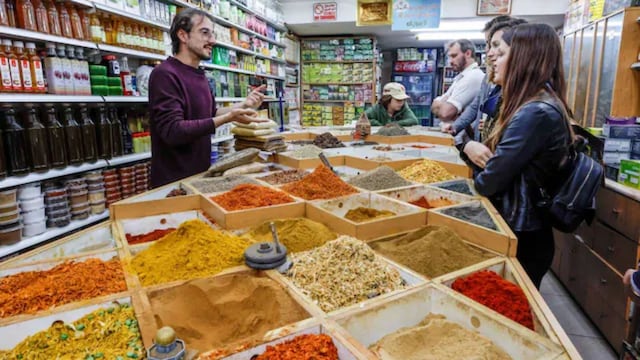
4/6Mattancherry, Kochi, India | For centuries, the historic port of Kochi was one of the world’s leading centres of the spice trade, attracting Arab, Chinese and later European merchants in search of black pepper, cardamom, cinnamon and other prized spices. Around Mattancherry and nearby Jew Town, traditional warehouses, spice merchants and exporters continue this legacy, making the area one of the best places to experience Kerala’s rich spice-trading heritage. (Image source: Wikimedia)
 5/6
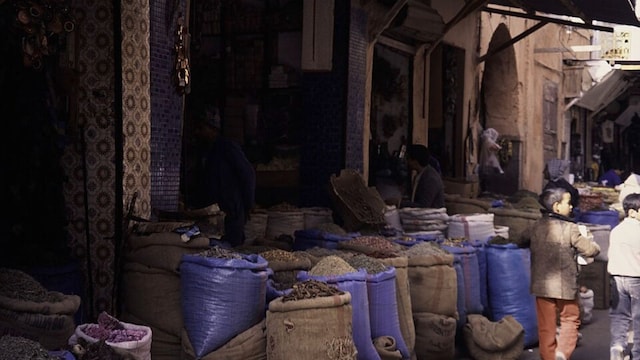
5/6Marrakech Spice Souks, Morocco | Hidden within the UNESCO-listed Medina of Marrakech, the city’s spice souks have been an integral part of Moroccan commerce for centuries. Stalls are filled with cumin, paprika, saffron, turmeric, ras el hanout and fragrant herbs, alongside traditional remedies and aromatic oils. Their colourful displays and bustling atmosphere offer visitors an authentic introduction to Morocco’s culinary traditions and historic trading culture. (Image source: Wikimedia)
 6/6
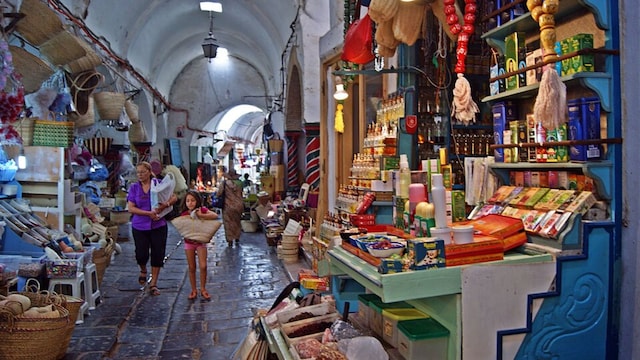
6/6Souk El Attarine, Tunis, Tunisia | Dating back to the 13th century, Souk El Attarine is one of the oldest souks in the Medina of Tunis. Although its name is derived from the Arabic word for perfumers, it later became renowned for trading spices, herbs and other aromatic products from across North Africa and the Mediterranean. Today, it remains one of the Medina’s best-known historic markets, where visitors can explore a rich blend of culinary and cultural traditions. (Image source: Wikimedia)