
Winter travel across Europe continues as cities adapt with transport and culture suited to short days. This report explains why Prague, Vienna, Copenhagen, Barcelona, and Reykjavik suit travel needs despite seasonal conditions.

 1 / 6
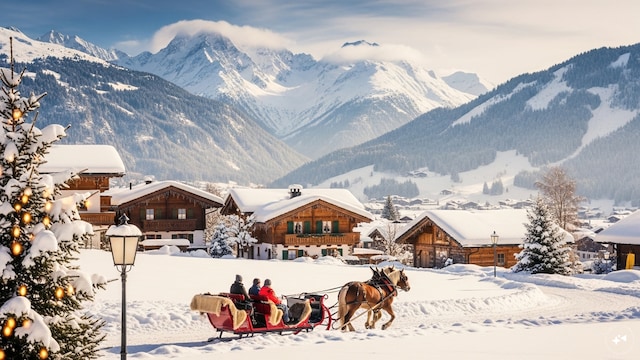
1 / 6Winter City Guide: Winter travel in Europe offers lower crowds, seasonal transport deals, and weather shaped by snow or cold rain. Cities adapt with museums, transit reliability, and indoor events. Markets, festivals, and lighting programs support tourism. Short days change schedules, not access. This overview highlights five cities where winter conditions still enable efficient visits, cultural access, and clear value for travellers worldwide.(Generated image)
 2 / 6
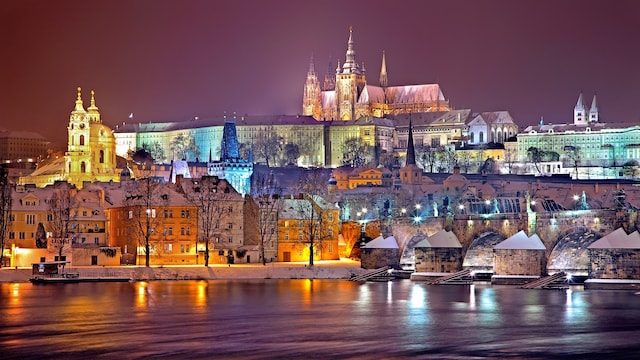
2 / 6Prague Winter: Prague remains accessible during winter due to its compact geography and frequent public transport. Snow affects streets briefly. Historic sites operate year-round. Castle complexes, bridges, and old town squares draw steady visitors. Seasonal concerts continue. Accommodation prices usually drop after holidays. Daytime sightseeing fits limited daylight. Rail links connect neighbouring countries without interruption from central stations throughout wintertime periods reliably. (Source: Pixabay)
 3 / 6
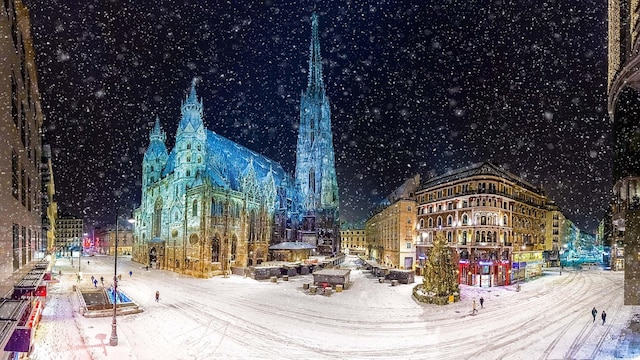
3 / 6Vienna Access: Vienna maintains winter tourism through dependable transit and indoor culture. Opera houses, museums, and palaces keep standard schedules. Christmas markets close by January. Cafes operate daily. Snow rarely halts services. Hotel rates soften mid-season. The city supports walking routes with lighting and clearing. International trains run normally across borders, linking Austria with regional hubs during winter travel demand cycles. (Source: Pixabay)
 4 / 6
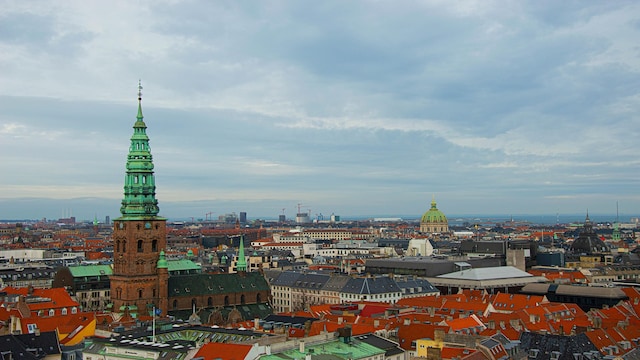
4 / 6Copenhagen Winter: Copenhagen functions efficiently in winter because its infrastructure accounts for the darkness and cold. Metro and buses run frequently. Cycling declines. Museums, design centres, and restaurants stay open. Harbour areas remain accessible. Winter events concentrate indoors. Prices ease after December. Travellers benefit from short distances between districts. Flights operate with minimal disruption overall, despite seasonal weather patterns affecting daylight hours locally each. (Source: Pixabay)
 5 / 6
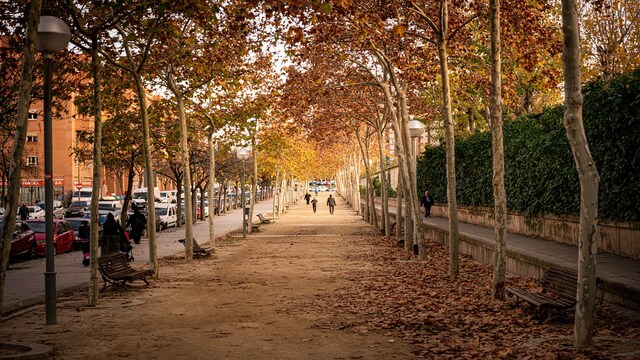
5 / 6Barcelona Winter: Barcelona offers milder winter conditions compared with northern cities. Temperatures support outdoor movement. Public transport operates fully. Major attractions keep hours. Beaches remain quiet. Museums and markets draw traffic. Hotel demand lowers after holidays. Dining districts stay active. Low rainfall improves reliability. International connections through the airport continue uninterrupted during winter months, supporting tourism flows from Europe and beyond steadily. (Source: Pixabay)
 6 / 6
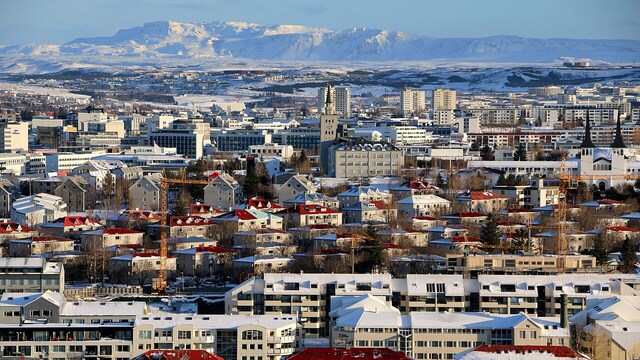
6 / 6Reykjavik Winter: Reykjavik serves winter visitors seeking nature access and urban services. The city supports geothermal heating. Roads stay maintained. Tours operate weather permitting. Museums and pools remain open. Short daylight shapes plans. Air connections bring traffic. Lodging capacity meets demand. Northern lights viewing occurs outside the city, requiring organised transport during peak winter nights, subject to forecasts and tour scheduling controls. (Source: Wikimedia Commons)