
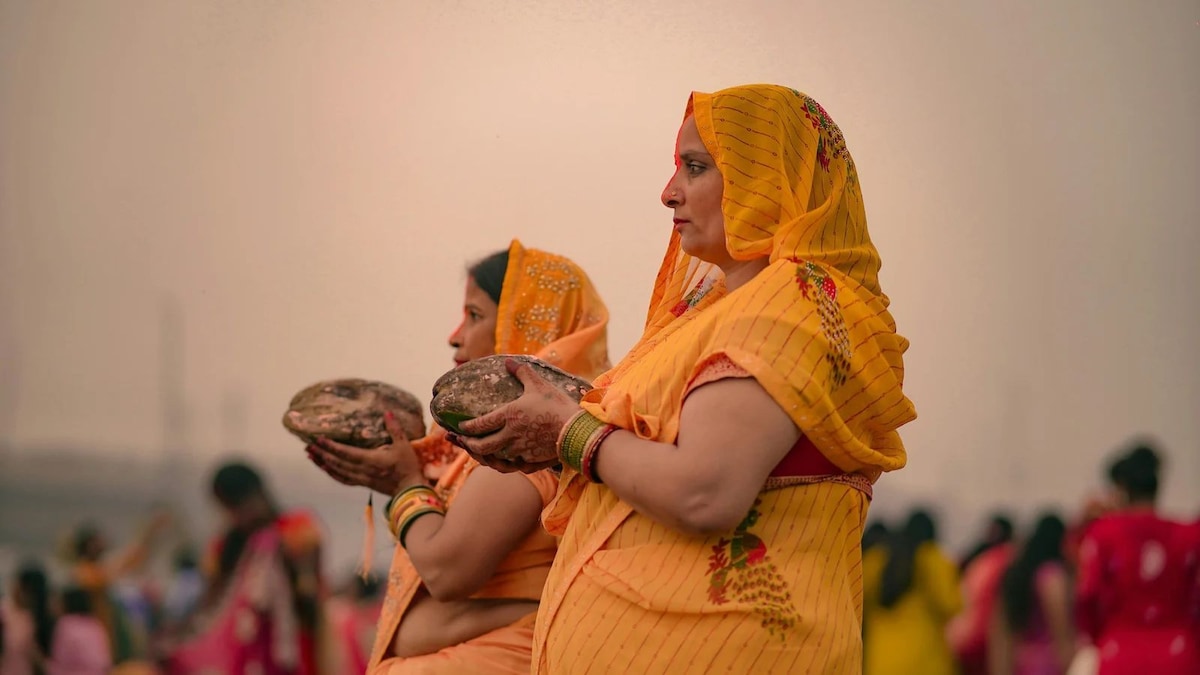
Bihar attracts visitors during Chhath Puja, but the state has much more to offer beyond its festive celebrations. From forest reserves and waterfalls …
 1/8
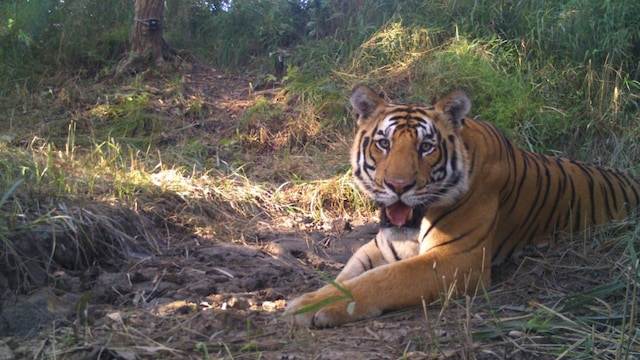
1. Valmiki Tiger Reserve, West Champaran | Located along the India-Nepal border, Valmiki Tiger Reserve is Bihar’s only tiger reserve. Spanning forested landscapes, it is home to tigers, leopards, deer, and several bird species. Visitors can explore the forest through jungle safaris, nature walks and trekking activities. It is a good option for those looking to experience Bihar’s wildlife and natural surroundings. (Image: Valmiki Tiger Reserve)
 2/8
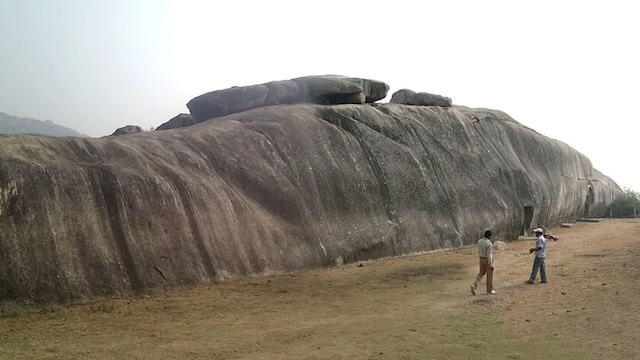
2. Barabar Caves, Jehanabad | The Barabar Caves in Jehanabad district are among India’s oldest surviving rock-cut caves. Dating back to the Mauryan period, these caves are known for their polished stone interiors and ancient inscriptions. Set amid rocky hills, the site offers visitors an opportunity to explore Bihar’s architectural and historical heritage away from the usual tourist circuit. (Image: Wikimedia Commons)
 3/8
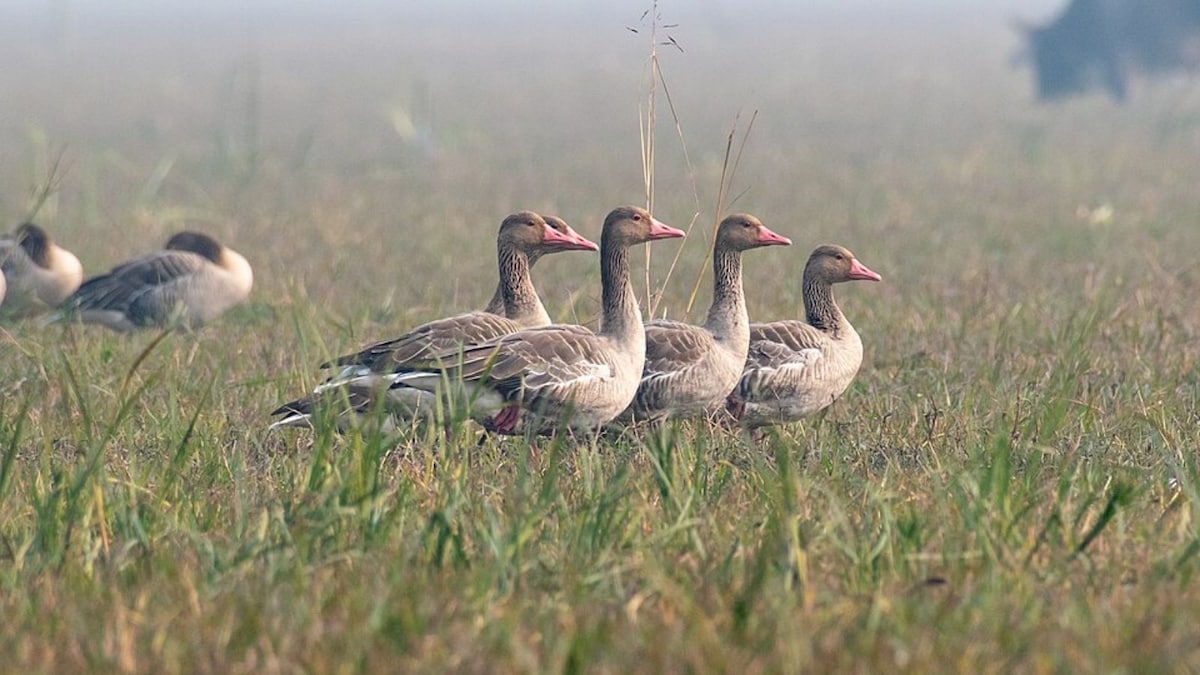
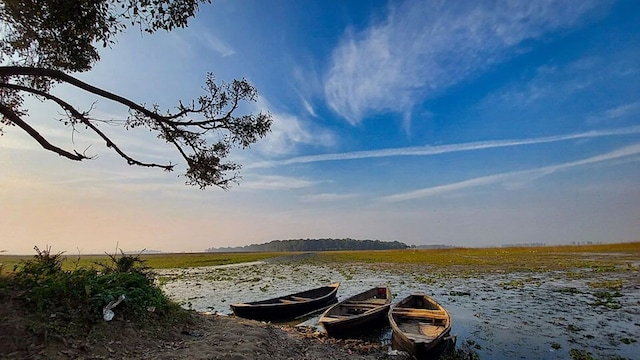
3. Kanwar Lake, Begusarai | Also known as Kabartal, Kanwar Lake is a freshwater oxbow lake located near Manjhaul in Begusarai district. It is an important wetland and a habitat for several resident and migratory bird species. The lake attracts birdwatchers, particularly during the winter months, making it a suitable destination for nature lovers visiting Bihar around Chhath Puja. (Image: Wikimedia Commons)
 4/8
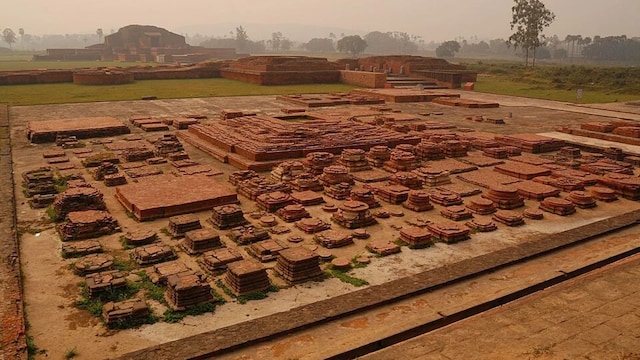
4. Vikramshila Ruins, Bhagalpur | Located at Antichak in Bhagalpur district, Vikramshila was an important centre of Buddhist learning during the Pala dynasty. Established by King Dharmapala, the ancient university attracted scholars from different regions. Today, visitors can explore its archaeological remains, including the ruins of monasteries and other structures that offer a glimpse into Bihar’s educational and cultural history. (Image: Wikimedia Commons)
 5/8
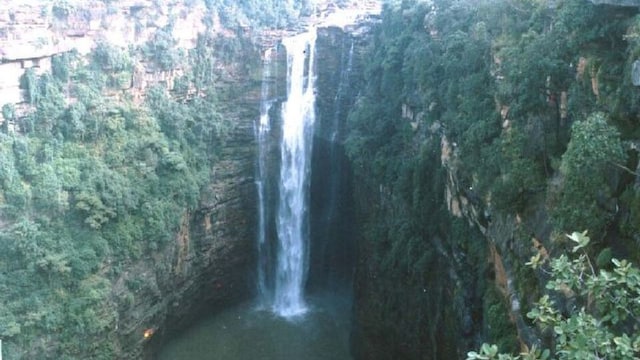
5. Telhar Kund, Kaimur | Telhar Kund is a waterfall located on the Rohtas plateau in Kaimur district. Surrounded by rocky cliffs and green landscapes, the waterfall flows into a lake at its base. The site is around 32 km from Bhabua and is also close to Karamchat Dam. Visitors can combine a trip to the waterfall with a visit to the nearby Mundeshwari Devi Temple. (Image: Wikimedia Commons)
 6/8
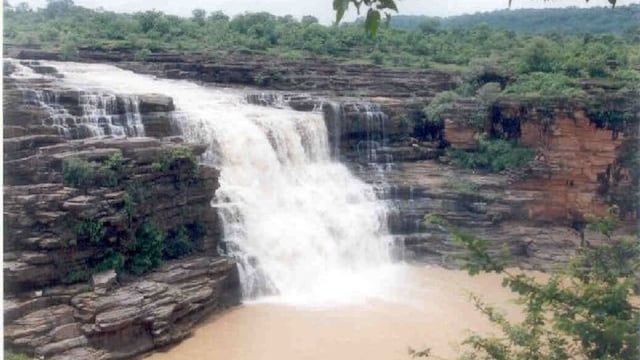
6. Karkatgarh Waterfall, Kaimur | Situated within the Kaimur Wildlife Sanctuary, Karkatgarh Waterfall is known for its wide cascade and forest surroundings. The waterfall is around 100 feet high and 300 feet wide, according to Bihar Tourism. The area also has a crocodile conservation centre, making it an interesting stop for visitors interested in wildlife and nature. (Image: Wikimedia Commons)
 7/8
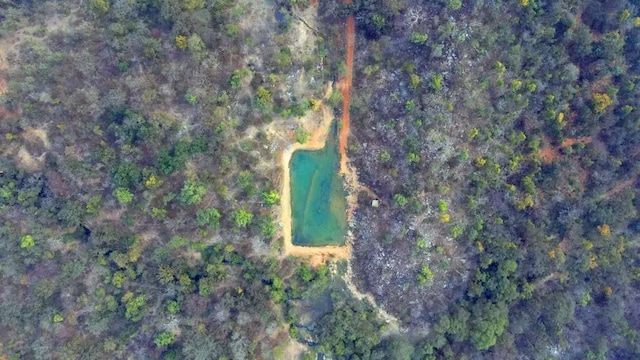
7. Bhimbandh Wildlife Sanctuary, Munger | Bhimbandh Wildlife Sanctuary in Munger district is known for its forests, hills, wildlife and natural hot springs. The sanctuary is home to animals such as leopards, sloth bears and sambar deer. Its hot water springs, including Bhimbandh, are among its main attractions. Travellers can also explore nearby spots such as Rishi Kund and Kharagpur Lake. (Image: Bihar Tourism)
 8/8
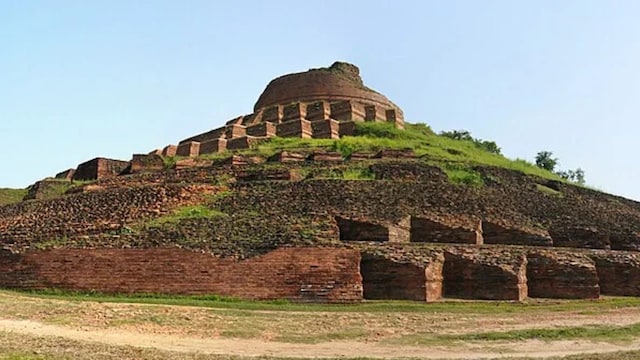
8. Kesariya Stupa, East Champaran | Kesariya Stupa in East Champaran is an important site linked to Bihar’s Buddhist heritage. The ancient structure stands around 104 feet tall and was excavated by the Archaeological Survey of India in 1998. It is associated with Lord Buddha’s final journey and is believed to mark a place where he met the Licchavis. The site is worth exploring for its history and architecture. (Image: Wikimedia Commons)