


Welcoming the United Nations General Assembly’s decision to postpone Bangladesh’s LDC graduation until November 24, 2029, Kamal said the additional time should help the country shift from reliance on preferential trade arrangements towards competitiveness driven by quality, innovation and investment.
AmCham Bangladesh president Syed Mohammad Kamal has urged the country to use its LDC graduation deferment to November 24, 2029, to raise productivity and diversify exports.
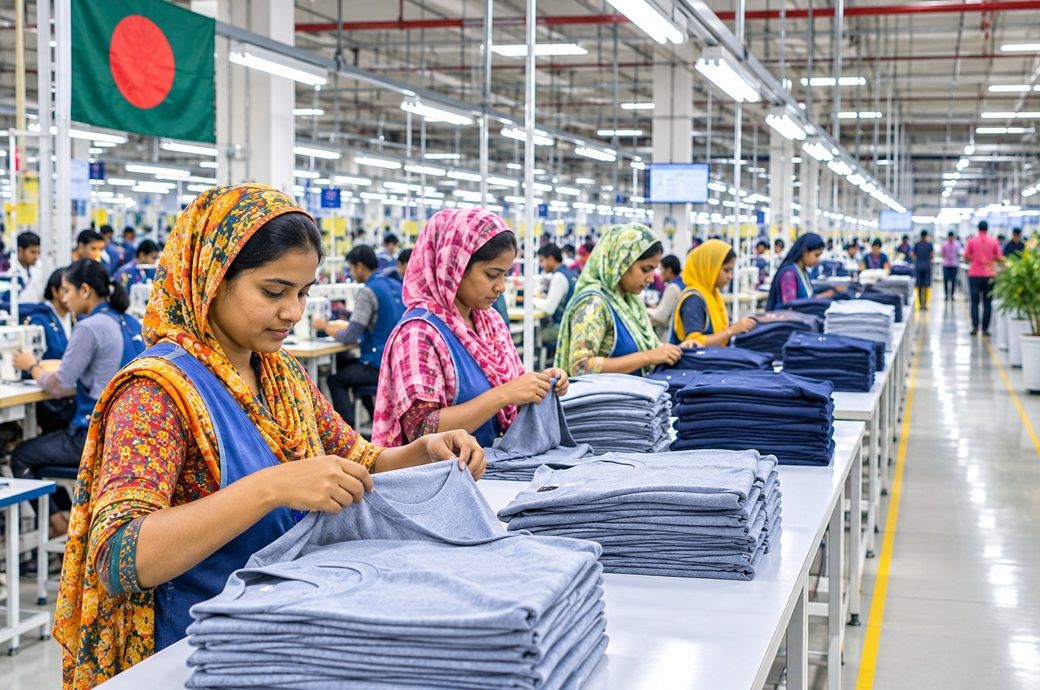
He said about 73 per cent of merchandise exports use LDC-specific preferences, while readymade garments made up 81 per cent in FY2025-26.
He also sought GSP+ preparation and a time-bound Smooth Transition Strategy.
Around 73 per cent of Bangladesh’s merchandise exports currently benefit from LDC-specific trade preferences, according to recently reported estimates. Their eventual withdrawal could result in higher tariffs and stricter rules of origin, depending on the transition arrangements of individual trading partners, the Bangladesh local media reported.
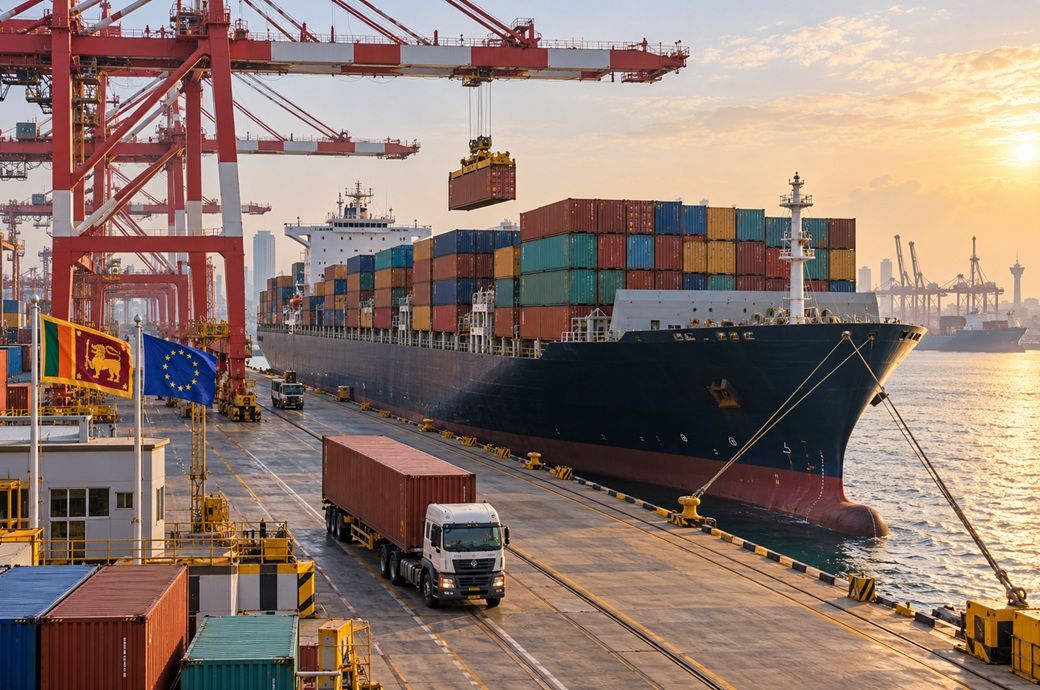
To mitigate these risks, Kamal called for preparations to meet the European Union’s Generalised Scheme of Preferences Plus (GSP+) eligibility requirements and stronger engagement with Japan, the United Kingdom, Canada and ASEAN economies to secure favourable trade arrangements.
Highlighting the concentration of Bangladesh’s export basket, he noted that readymade garments accounted for 81 per cent of merchandise exports in FY2025-26, citing Bangladesh Garment Manufacturers and Exporters Association (BGMEA) data.
Kamal also stressed the importance of domestic reforms, pointing to International Monetary Fund (IMF) data showing tax revenue at 6.9 per cent of gross domestic product (GDP) in FY2024-25. He recommended broadening the tax base, strengthening compliance through digitalisation and improving banking-sector governance.
He proposed a government-led, time-bound Smooth Transition Strategy with measurable targets and continuous private-sector participation. Under the proposed roadmap, the first year would assess sector-wise tariff exposure and compliance requirements, followed by improvements in customs, energy and logistics during the second year. The final year would focus on evaluating businesses’ readiness for the post-LDC trading environment.
Fibre2Fashion News Desk (MS)