
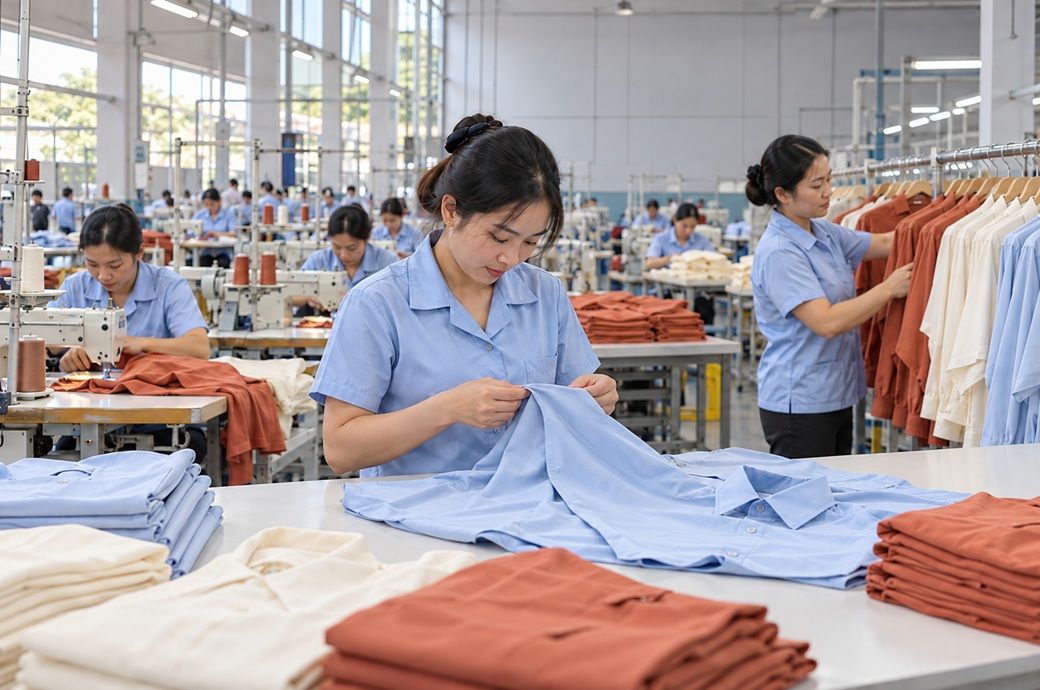
Industry insiders also reportedly acknowledge that the real challenge is no longer simply securing orders but fulfilling them profitably.
Vietnam’s textile and garment exports reportedly reached nearly $31.7 billion in the first eight months of 2026, registering 2.9 per cent year-on-year growth, according to figures attributed to the Vietnam Textile and Apparel Association (VITAS) in media reports. However, industry stakeholders reportedly caution that rising export earnings offer little relief as low unit prices and escalating raw material, logistics and compliance costs continue to erode profitability.
Vietnam’s textile and garment exports hit nearly $31.7 billion in the first eight months of 2026, up 2.9 per cent year on year, but profitability remains squeezed.
Smaller batches, tighter deadlines and buyer delays are weakening scale economies and order visibility.
Logistics costs of 9–10 per cent of export-import value, congestion and surcharges make delivery efficiency crucial.
Meanwhile, order visibility reportedly remains uneven. While some manufacturers have secured orders for key product groups through year-end, others face widening gaps. One industry player, as underlined in media reports, has covered around 70 per cent of its October production plan but just 30 per cent of its November and December requirements. Buyers are apparently comparing prices and delaying major commitments, leaving factories uncertain about future workloads, industry reports suggest.
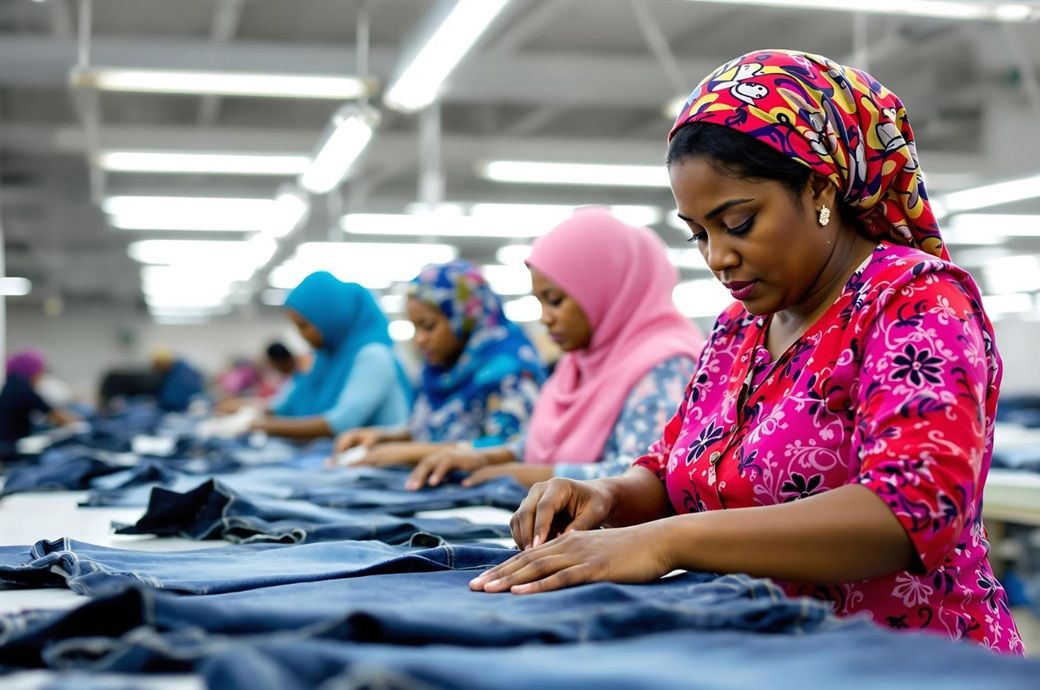
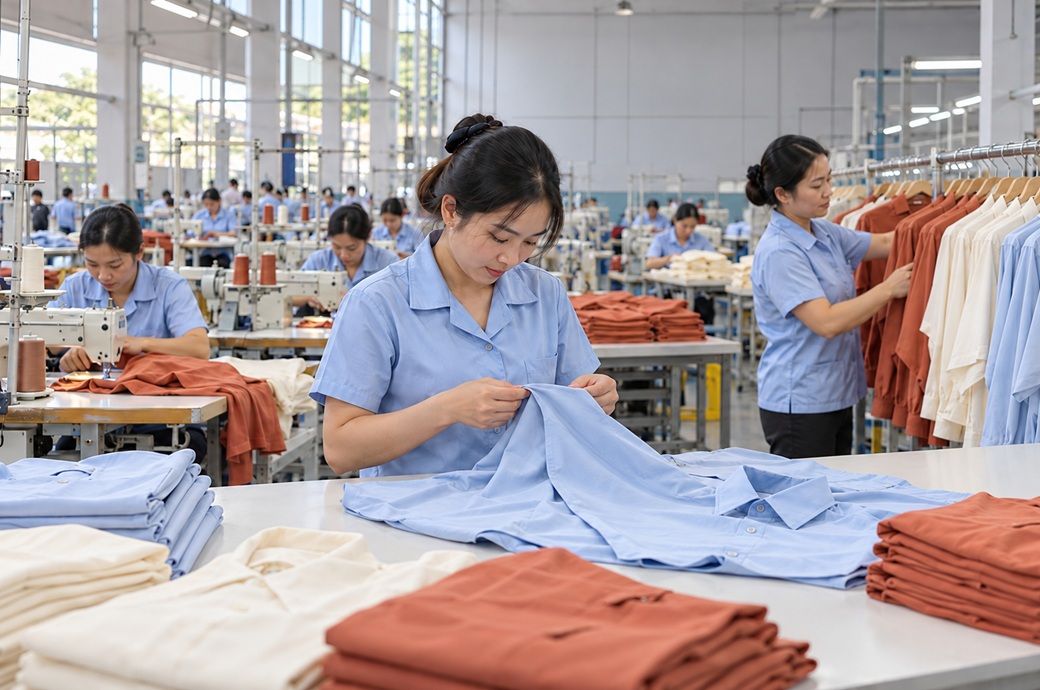
Even confirmed orders are reportedly becoming harder to execute profitably. Buyers are said to be splitting large consignments into smaller batches while demanding higher technical specifications and faster deliveries. Industry insiders reportedly point out that this shift complicates production schedules, weakens economies of scale and forces manufacturers to offer greater flexibility without corresponding price increases.
Logistics has also reportedly emerged as a major drain on profitability. Domestic logistics costs reportedly account for 9–10 per cent of textile and garment export-import value, against estimated industry profit margins of just 3–5 per cent. Although the figures have different denominators, industry stakeholders warn that transport inefficiencies and additional charges can further squeeze already-thin returns when selling prices are difficult to raise.
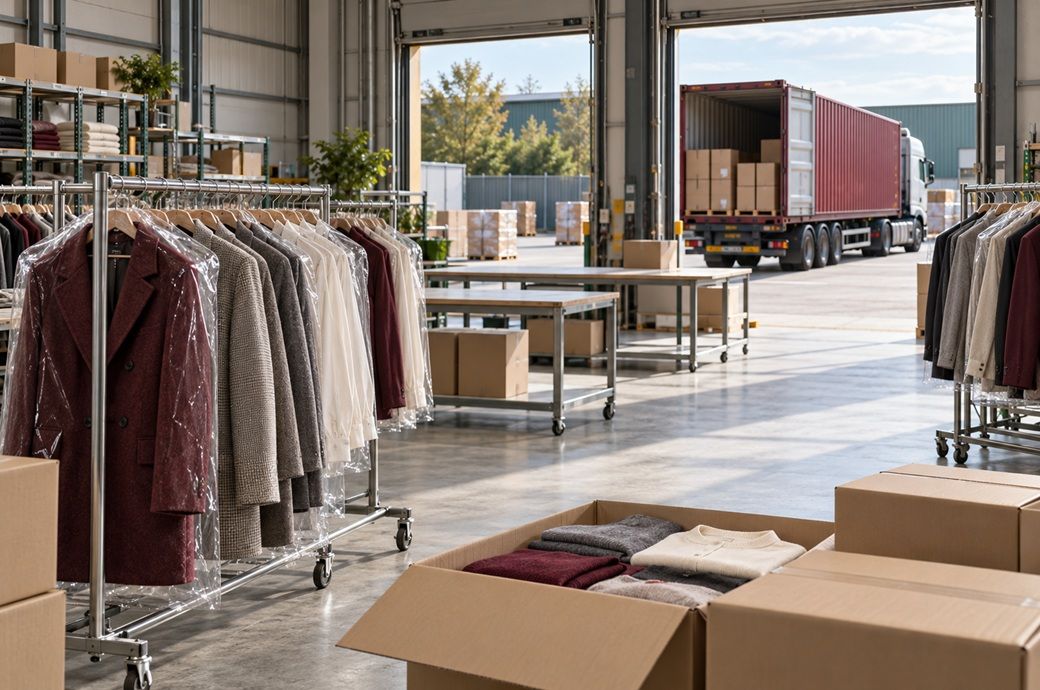
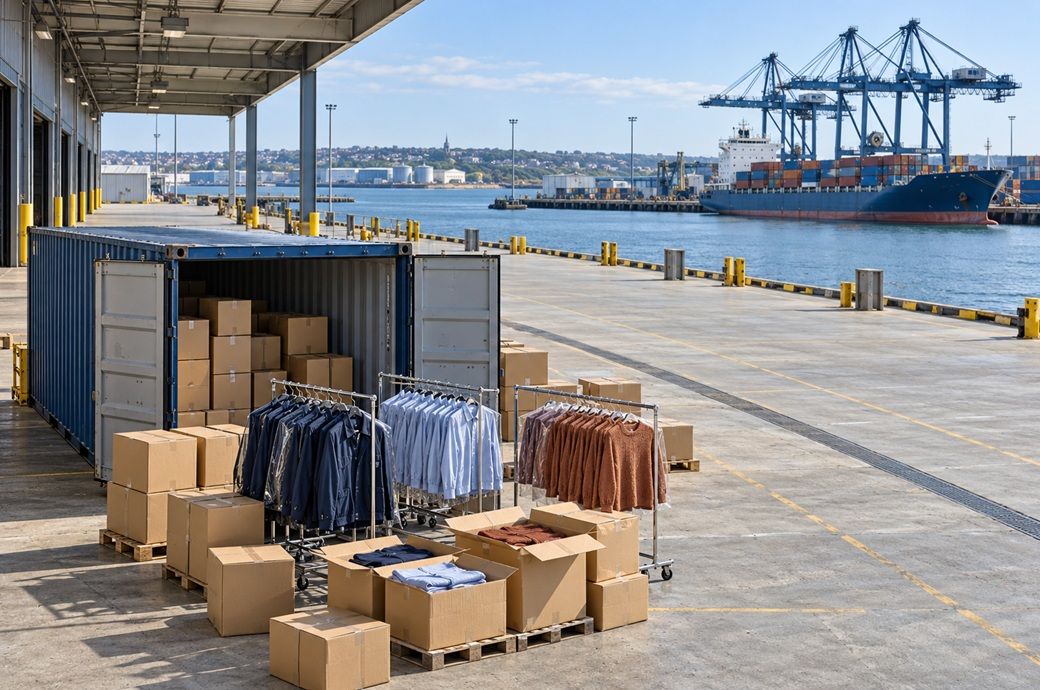
Port congestion, container shortages, volatile freight rates, and unexpected surcharges reportedly add to delivery pressures. Industry insiders caution that smaller consignments and tighter deadlines leave little room for disruption. Even under free-on-board (FOB) arrangements, exporters remain exposed to domestic transport costs and supply-chain delays. Industry experts reportedly argue that better connectivity, rather than infrastructure expansion alone, is crucial to containing costs. Direct factory-to-port links, fewer transshipments, cargo consolidation and greater use of rail and inland waterways on suitable routes could reportedly improve efficiency.
Manufacturers are reportedly tightening production schedules, reallocating orders across units and resorting to overtime to meet urgent deadlines. However, industry insiders caution that operational flexibility alone cannot indefinitely offset weak pricing and rising costs.
For Vietnam, the real test, industry stakeholders reportedly suggest, is no longer how many orders manufacturers win, but how much profit they retain from each one. With fuller order books no guarantee of stronger earnings, cost discipline and delivery efficiency are increasingly seen as critical to sustaining competitiveness.
Fibre2Fashion News Desk (DR)