
Throughout architectural history, the arch have been built to celebrate military victories, commemorate national resilience, or define modern skylines…
 1/6
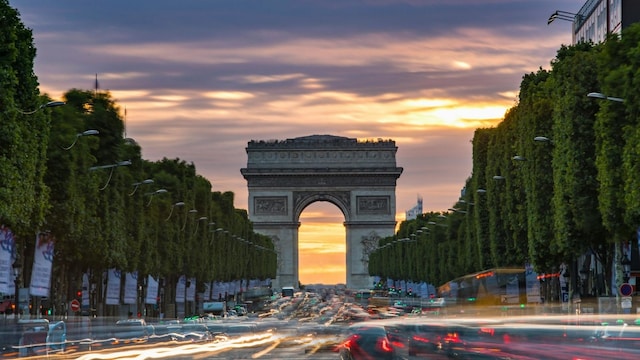
1/6Arc de Triomphe, Paris, France | Commissioned by Napoleon Bonaparte in 1806 following his victory at the Battle of Austerlitz and completed in 1836 under King Louis-Philippe, this Neoclassical monument anchors the centre of Place Charles de Gaulle at the western end of the Champs-Élysées. Designed primarily by Jean-François Chalgrin, the limestone structure rises 50 meters (164 feet) and features François Rude’s high-relief sculpture La Marseillaise on its eastern facade. Beneath its central vault lies the Tomb of the Unknown Soldier, where an eternal flame has burned uninterrupted since November 11, 1923. (Image source: Wikimedia Commons)
 2/6
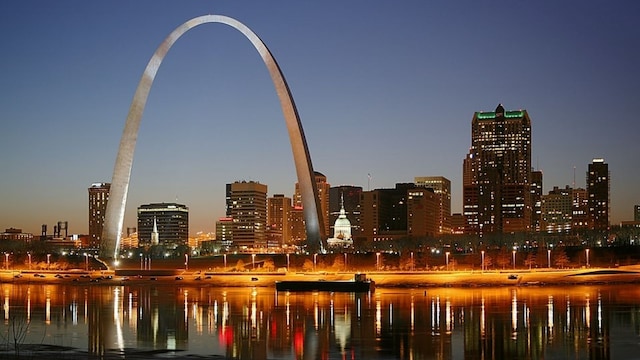
2/6Gateway Arch, St. Louis, Missouri, United States | Designed by Finnish-American architect Eero Saarinen in 1947 and completed in October 1965, this 192-meter (630-foot) structure is the tallest arch in the world and the centrepiece of Gateway Arch National Park. Engineered as a free-standing weighted catenary curve, its equilateral triangular legs are constructed from carbon steel and clad in exterior grade-304 stainless steel. An internal custom tram capsule carries passengers inside the hollow legs to an observation deck at the apex, offering views across the Mississippi River. (Image source: Wikimedia Commons)
 3/6
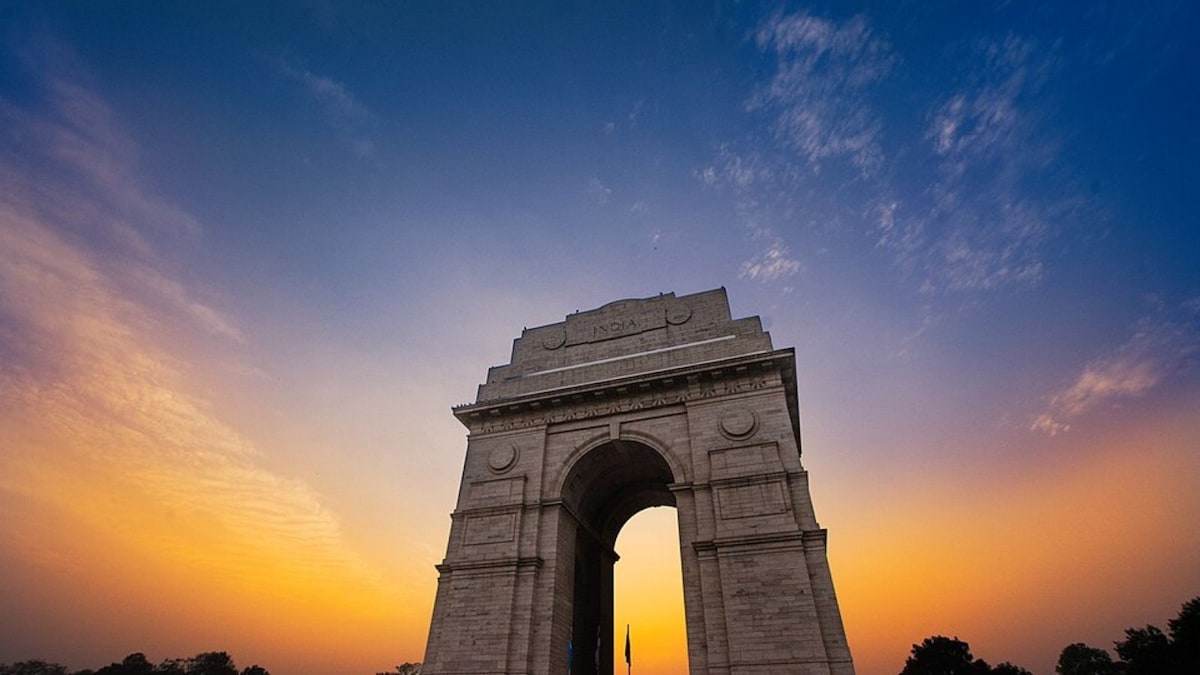
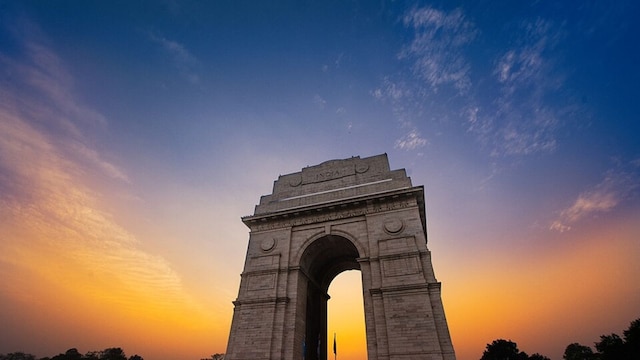
3/6India Gate (All India War Memorial), New Delhi, India | Anchoring the eastern terminus of the Kartavya Path (formerly Rajpath), this 42-meter-high (138-foot) sandstone memorial arch was designed by British architect Sir Edwin Lutyens. Modelled deliberately on the Arc de Triomphe in Paris, construction began with the foundation stone laid by the Duke of Connaught in February 1921 and was formally inaugurated in February 1931 by Viceroy Lord Irwin. Built from pale red and yellow Bharatpur sandstone, the arch commemorates the 84,000 soldiers of the British Indian Army who lost their lives in the First World War (1914–1918) and the Third Anglo-Afghan War (1919), with 13,313 individual fallen soldiers’ names inscribed directly into its stone walls. Underneath its central vault, the Amar Jawan Jyoti (the Flame of the Immortal Soldier) was inaugurated in January 1972 following the 1971 Indo-Pakistani War, where it burned for five decades before being merged with the eternal flame at the adjacent National War Memorial in January 2022. (Image source: Wikimedia Commons)
 4/6
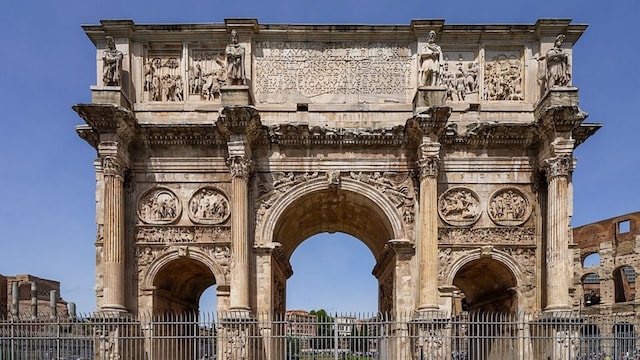
4/6Arch of Constantine, Rome, Italy | Dedicated in 315 CE by the Roman Senate to commemorate Emperor Constantine I’s victory over Maxentius at the Battle of Milvian Bridge (312 CE), this triple-bay marble arch spans the Via Triumphalis between the Colosseum and the Palatine Hill. Standing 21 meters (69 feet) tall, the monument is renowned among architectural historians for its deliberate use of spolia—repurposed imperial marble reliefs and statues salvaged from earlier monuments of Trajan, Hadrian, and Marcus Aurelius. It remains the largest surviving triumphal arch in Rome. (Image source: Wikimedia Commons)
 5/6
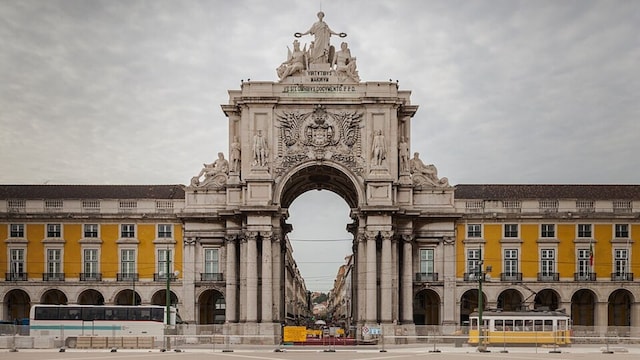
5/6Rua Augusta Arch (Arco da Rua Augusta), Lisbon, Portugal | Framing the northern entrance to Praça do Comércio on the Tagus River waterfront, this 30-meter-high stone triumphal arch was built to commemorate Lisbon’s reconstruction following the catastrophic 1755 earthquake. Designed by architect Veríssimo José da Costa and completed in 1875, the arch is crowned by a colossal allegorical sculpture group by Célestin Anatole Calmels representing Glory crowning Genius and Valour. An internal elevator and spiral staircase allow visitors onto a panoramic rooftop terrace overlooking Lisbon’s historic Baixa district. (Image source: Wikimedia Commons)
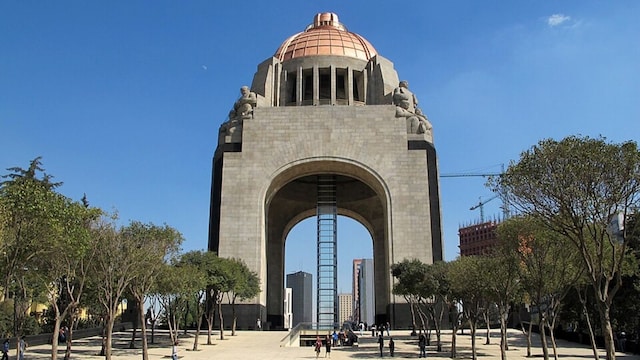 6/6
6/6Monumento a la Revolución, Mexico City, Mexico | Originally commissioned by President Porfirio Díaz in 1897 as a massive Federal Legislative Palace, the project was halted by the outbreak of the Mexican Revolution. In the 1930s, architect Carlos Obregón Santacilia salvaged the central steel cupola, encasing it in Art Deco and Mexican socialist-realist stone architecture to create a 67-meter-tall (220-foot) open triumphal arch. Officially the tallest memorial triumphal arch in the world, the monument houses a national mausoleum containing the remains of revolutionary figures, including Pancho Villa and Lázaro Cárdenas, accessible via a glass elevator running through the central dome. (Image source: Wikimedia Commons)