


Across the world, a handful of communities have stood out for their extraordinary longevity. From the mountains of Sardinia to the islands of Okinawa,…
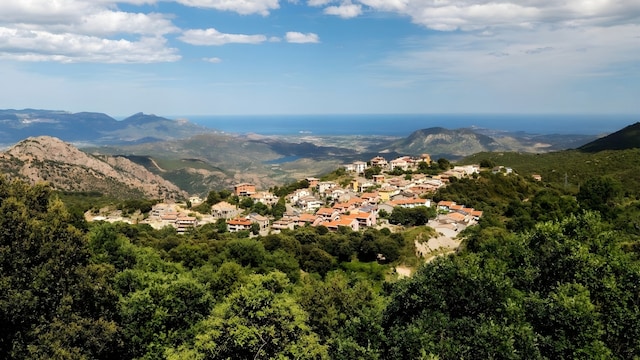
 1/6
1/6Sardinia, Italy | One of the world’s strongest concentrations of male centenarians was found in Sardinia’s mountainous villages. Natural movement, a plant-heavy traditional diet, beans and whole grains, strong family ties and close-knit communities are among the characteristics associated with longevity. (Image: Canva)
 2/6
2/6Okinawa, Japan | Okinawa was historically known for exceptionally high longevity, particularly among women. A traditional diet rich in vegetables, sweet potatoes and soy, along with daily movement, strong social networks, family ties and a sense of purpose, are key features of the Okinawan way of life. (Image: Canva)
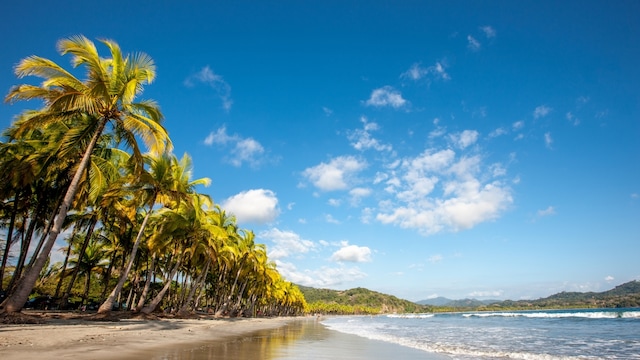 3/6
3/6Nicoya Peninsula, Costa Rica | Nicoya has historically recorded unusually high survival into old age, particularly among men. A diet centred on beans, corn and vegetables, an active lifestyle, strong family connections and a sense of purpose are among the factors linked to its longevity. (Image: Canva)
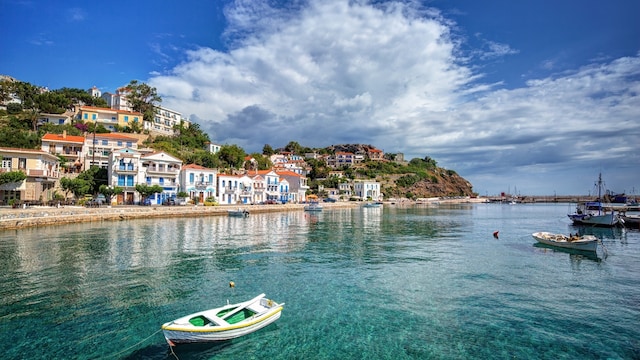 4/6
4/6Ikaria, Greece | The Greek island of Ikaria is known for its high levels of healthy longevity and active older population. A Mediterranean-style diet, daily physical activity, strong family and community bonds and a slower pace of life are characteristic of the island. (Image: Canva)
 5/6
5/6Loma Linda, California, USA | Loma Linda’s longevity story is closely associated with its large Seventh-day Adventist community. Plant-heavy diets, little smoking and alcohol, regular activity, strong social networks and an emphasis on family and faith are among the lifestyle factors associated with longer lives. (Image: Canva)
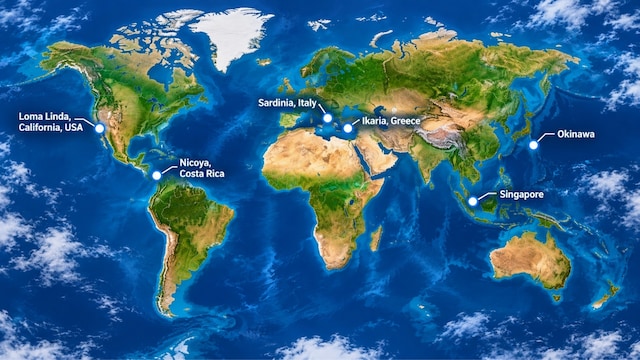 6/6
6/6What do Blue Zones have in common? Natural movement, plant-rich diets, strong social connections, family, purpose and lower stress are common threads across the five regions, although modernization has weakened longevity advantages in some areas, particularly Okinawa.
The five places featured are the traditional Blue Zones identified through Dan Buettner’s research. Their lifestyle patterns are associated with longevity, but do not by themselves prove cause and effect.