
According to data compiled by the Union Ministry of Tourism for World Tourism Day, deliberate capital deployment and updated regulatory provisions have begun altering visitor movement patterns across coastal belts and business centres.
Cruise traffic expands 328% over a decade
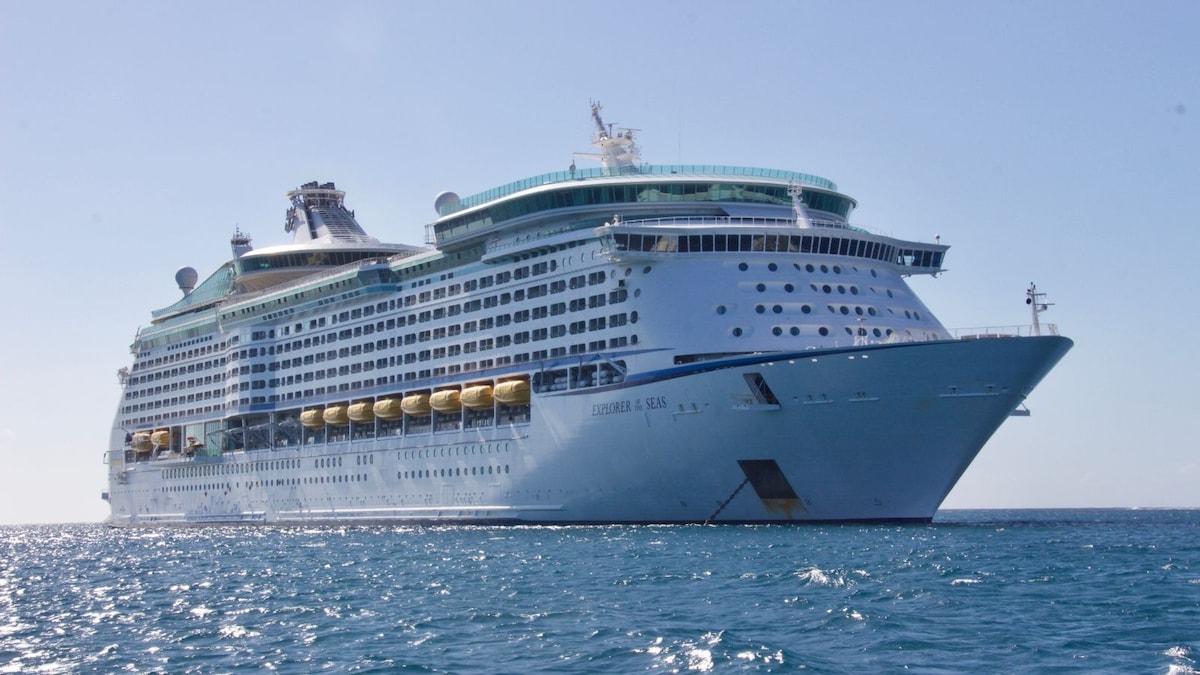
Sea cruise passenger volumes in India rose from 1.08 lakh in 2014–15 to 4.62 lakh in 2025–26, registering a 328% increase over the period. The traffic gains follow upgrades to international passenger terminals at Mumbai, Chennai, and Visakhapatnam, alongside the integration of Puducherry into the existing East Coast Cruise Circuit.
Port authorities have also altered clearance procedures to reduce turnaround times. A QR-based electronic immigration protocol has brought down per-passenger border processing to roughly 30 seconds, while paperless customs workflows and e-Group Visit Visas have been implemented to process incoming foreign cruise contingents.
Repurposing maritime beacons
Under Section 23 of the Marine Aids to Navigation Act, 2021, the government has converted historic navigational towers into public heritage sites.
Basic visitor amenities have been installed across 75 operational and decommissioned lighthouses nationwide.
In addition, seven specialised maritime museums—located in Chennai, Mahabalipuram, Alappuzha, Kannur, Muttom, Dwarka, and Gopnath—have been opened to exhibit colonial-era navigational hardware and coastal historical records.
Pushing for a larger share in business travel
The diversification push also targets the global Meetings, Incentives, Conferences, and Exhibitions (MICE) sector, which is projected to expand from $870 billion to more than $1.4 trillion by 2030. India currently accounts for approximately 5% of the international market.
To handle higher delegate volumes, the ministry’s National Strategy and Roadmap for the MICE Industry relies on mega-venues such as New Delhi’s Bharat Mandapam and Yashobhoomi, along with Mumbai’s Jio World Centre. Official planners have designated 10 tier-1 and tier-2 urban centres, primarily in southern states, for focused conference-infrastructure development.
Circuit-level capital deployment
Targeted funding is shifting destination planning away from standalone monuments toward broader geographical corridors:
– Challenge-Based Destination Development (CBDD): Operating under Swadesh Darshan 2.0, 37 projects valued at ₹687.99 crore have been cleared for specialised eco-tourism and spiritual travel zones.
– PRASHAD allocations: The pilgrimage-focused drive has sanctioned 54 projects totalling ₹1,726.18 crore, financing civic infrastructure, waste systems, and sound-and-light installations at sites such as Bodh Gaya, Sarnath, Ayodhya, and Puri.
– Homestay formalisation: Regulatory frameworks are being introduced to register and standardise rural and tribal homestays, providing alternatives to conventional hotel chains in peripheral regions.
Also Read: World Tourism Day 2026: Why it is celebrated and this year’s theme