
According to a global walkability index by travel search engine Skyscanner—which evaluated flight trends, walking distances, step counts, crime rates,…
 1/10
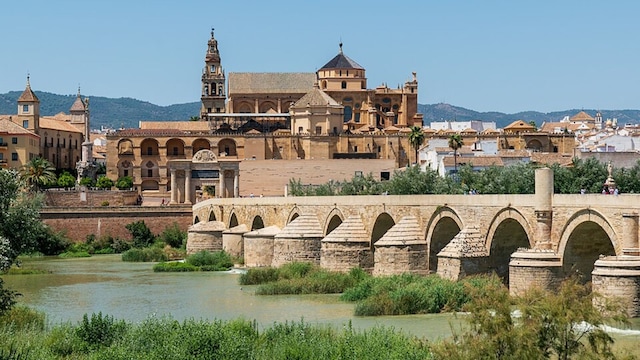
1/10Cordoba, Spain | Taking the top spot on Skyscanner’s walkability index, this Andalusian gem boasts the shortest walking distance between key sights, taking travellers just 26 minutes (roughly 2,730 steps) to cover its highlights. The winding, whitewashed alleys of the UNESCO-listed historic centre lead effortlessly from the iconic Mosque-Cathedral (La Mezquita) and the Roman Bridge to the courtyard-filled Palacio de Viana and the old Jewish quarter of La Judería, with 29 designated walking trails weaving in and around the city limits. (Image source: Wikimedia Commons)
 2/10
2/10Nagasaki, Japan | Ranking second overall, this historic Kyushu port city recorded the lowest crime rate among the top 10 destinations, paired with an easy average elevation of just 89 meters. Visitors can easily navigate its 531 attractions on foot, starting from the Nagasaki Atomic Bomb Museum and Peace Park down to the historic Dutch trading island of Dejima, before strolling up toward the harborside terraces of Glover Garden. (Image source: Wikimedia Commons)
 3/10
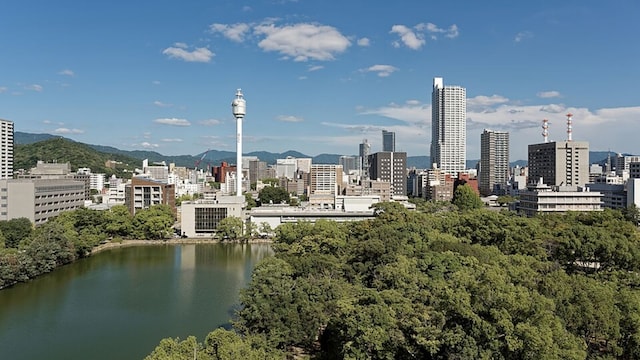
3/10Hiroshima, Japan | Built across a flat river delta on Honshu Island, Hiroshima offers exceptionally pedestrian-friendly terrain where travellers log just 3,959 steps (around 41 minutes) between major sites. The wide, riverside promenades connect the solemn Peace Memorial Park and Museum directly to the vibrant downtown shopping arcades and Okonomimura, a multi-story food hub in Shintenchi housing more than 20 stalls serving the city’s signature layered okonomiyaki. (Image source: Wikimedia Commons)
 4/10
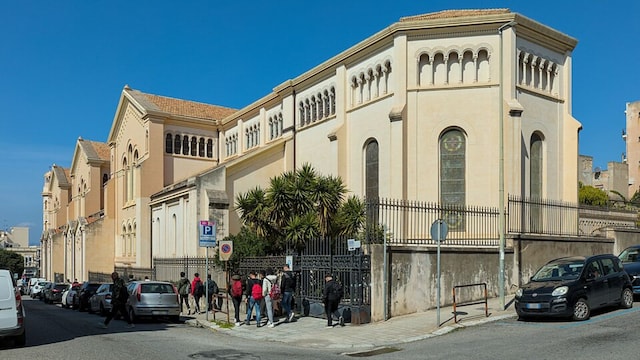
4/10Reggio Calabria, Italy | Located on the toe of Italy’s boot overlooking the Strait of Messina, this compact coastal hub covers just 239 square kilometres and requires a breezy 25-minute walk (2,321 steps) between primary attractions. High air quality makes wandering along the sea-facing Lungomare Falcomatà promenade a highlight, linking Rabarama’s colourful open-air sculptures directly to the Museo Nazionale della Magna Grecia, home to the celebrated 5th-century BC Riace Bronzes. (Image source: Wikimedia Commons)
 5/10
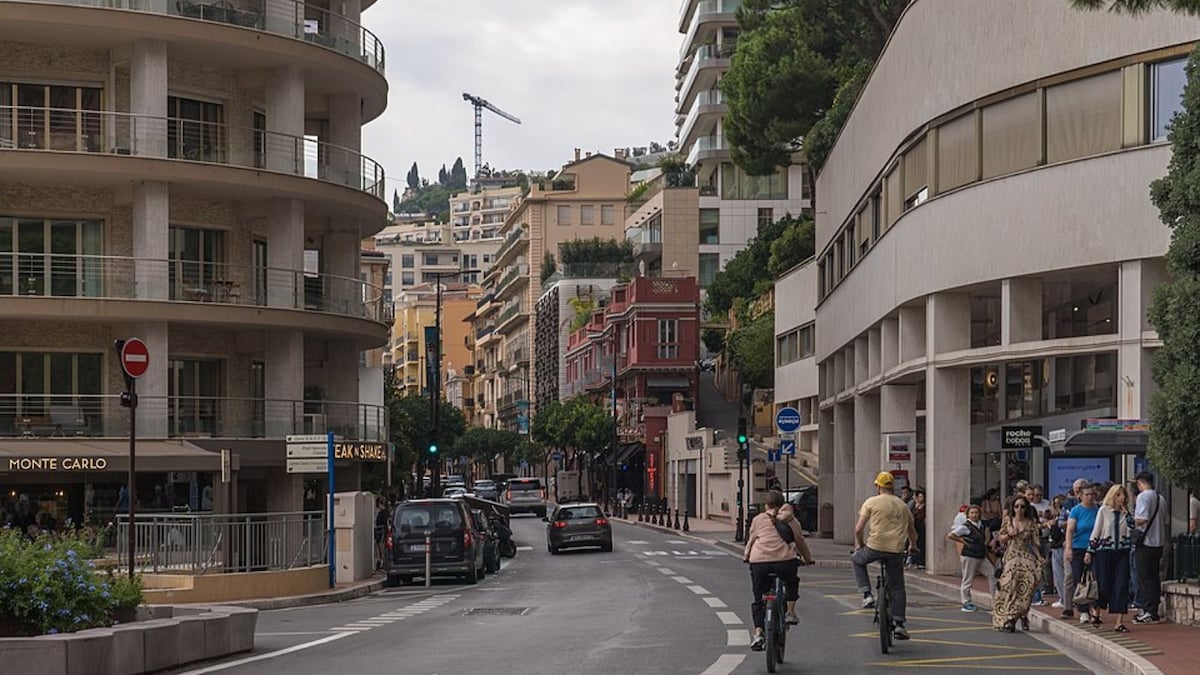
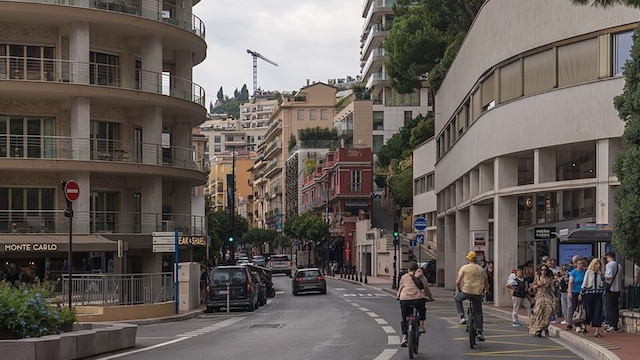
5/10Monte Carlo, Monaco | Spanning just 0.44 square kilometres, the glamorous district of Monte Carlo anchors an ultra-compact, pedestrian-friendly principality that packs 100 attractions into a 36-minute walking circuit on Skyscanner’s index. Travellers can easily stroll from the Belle Époque Casino de Monte-Carlo down to Port Hercule—tracing the famous Grand Prix track and the Prince’s vintage car collection—before continuing across the harbour up to the historic rock of neighbouring Monaco-Ville to tour the Prince’s Palace and the clifftop Oceanographic Museum. (Image source: Wikimedia Commons)
 6/10
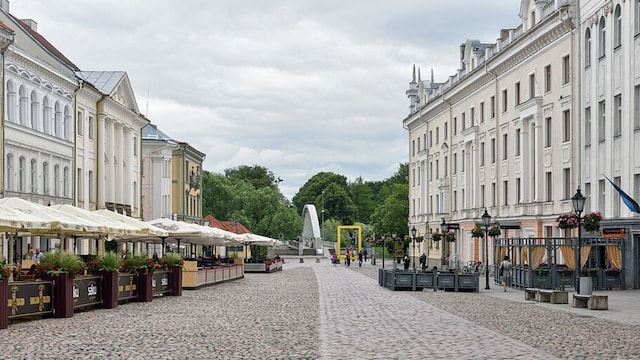
6/10Tartu, Estonia | Estonia’s second-largest city and a European Capital of Culture recorded the lowest air pollution score in the global top 10, contained within a tidy 39-square-kilometre boundary at an average elevation of 53 meters. Pedestrians can stroll from the neoclassical Town Hall Square and the wooded trails of Toome Hill to the leafy banks of the Emajõgi River and the historic wooden-facade quarters of Supilinn and Karlova. (Image source: Wikimedia Commons)
 7/10
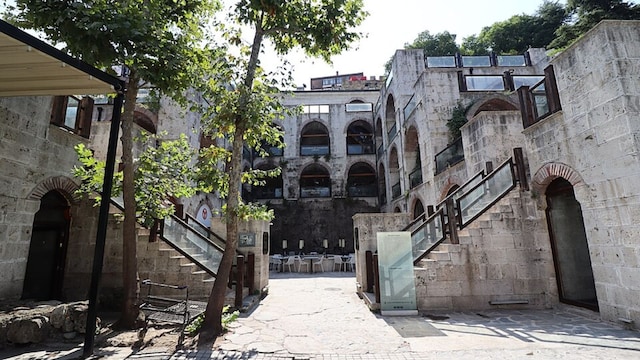
7/10Bursa, Türkiye | The first major capital of the Ottoman Empire blends sprawling mountain vistas with a low population density of just 306 people per square kilometre across its UNESCO-listed core. Covering 406 city sights takes approximately 5,324 steps (around an hour of walking), guiding visitors on foot through the 20-domed Grand Mosque (Ulu Camii), the historic silk markets of the 15th-century Koza Han caravanserai, and the elevated sultan tombs of Tophane. (Image source: Wikimedia Commons)
 8/10
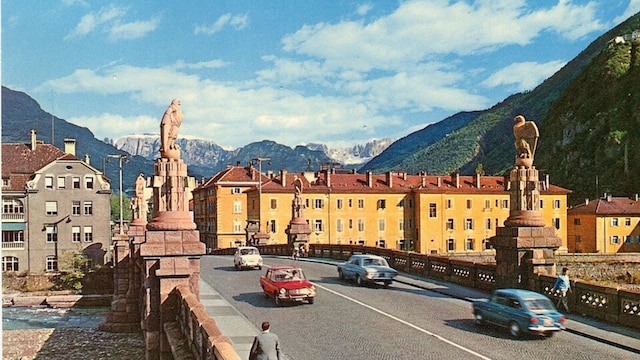
8/10Bolzano, Italy | Nestled in a vineyard valley at the gateway to the Italian Dolomites, Bolzano scored as the safest city in the global top 10 while offering an impressive network of 505 walking trails in and around its 52-square-kilometre territory. The car-free historic centre allows travellers to wander along medieval arcades on Via dei Portici, gather in Piazza Walther, and visit Ötzi the Iceman at the South Tyrol Museum of Archaeology, all within an hour’s walking span. (Image source: Wikimedia Commons)
 9/10
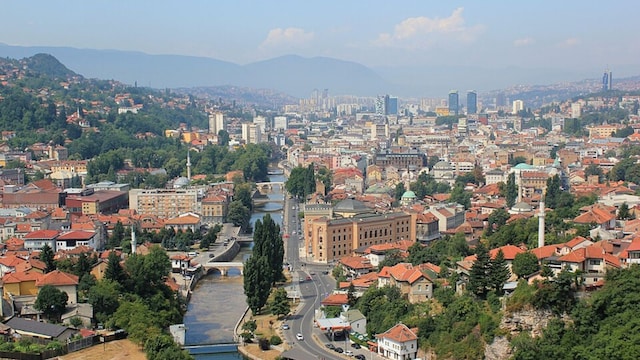
9/10Sarajevo, Bosnia & Herzegovina | Encircled by the Dinaric Alps along the Miljacka River, this compact Balkan capital clocks the fastest walking time between top sights at just 22 minutes. Its low population density (328 people per square kilometre) makes for an uncrowded walk through centuries of layered history, moving from the Ottoman-era cobblestones of the Baščaršija bazaar and the historic Latin Bridge to the Austro-Hungarian facade of Vijećnica (City Hall) and the War Childhood Museum. (Image source: Wikimedia Commons)
 10/10
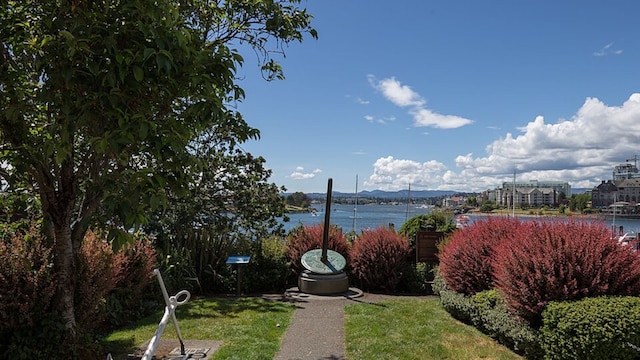
10/10Victoria, British Columbia, Canada | Set on the southern tip of Vancouver Island across a 223-square-kilometre footprint, British Columbia’s capital recorded the highest overall air quality score on Skyscanner’s index, alongside 457 urban and regional walking trails. The city’s British-influenced heritage core is built for exploring on foot, with short, scenic walks linking the Inner Harbour and BC Parliament Buildings to the Royal BC Museum, Helmcken House, and the grounds of Craigdarroch Castle. (Image source: Wikimedia Commons)