
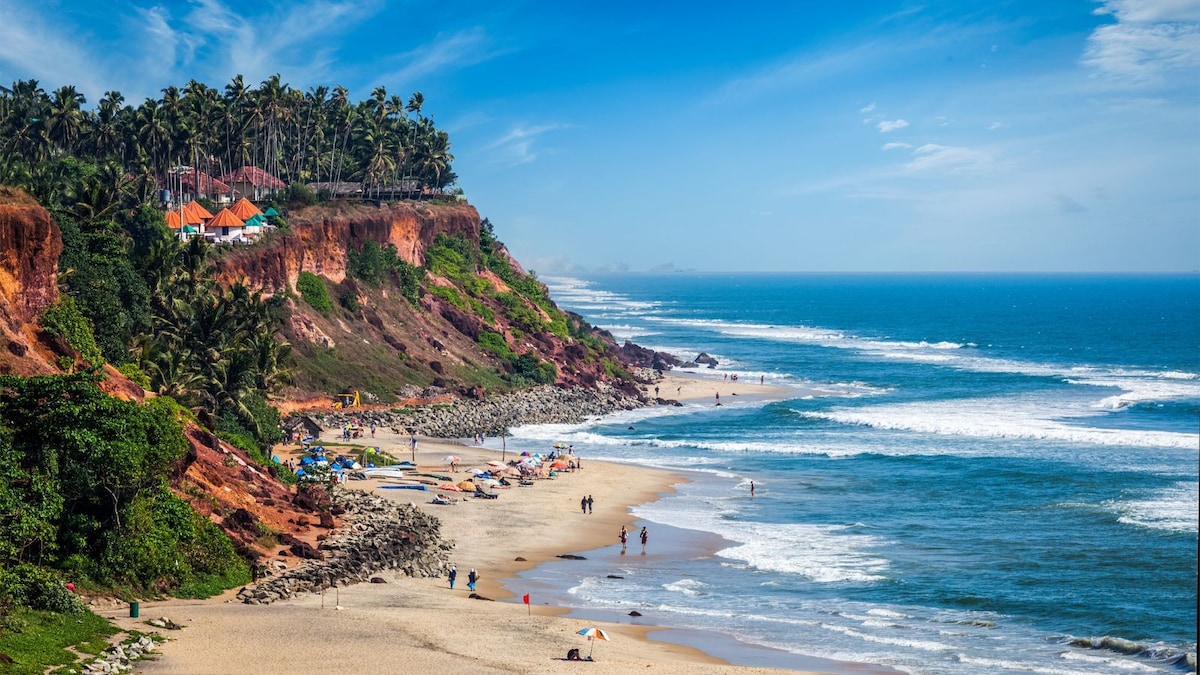
Timing a holiday during the shoulder season—the transition window sandwiched between high-demand peak months and extreme off-season weather—is one of …
 1/10
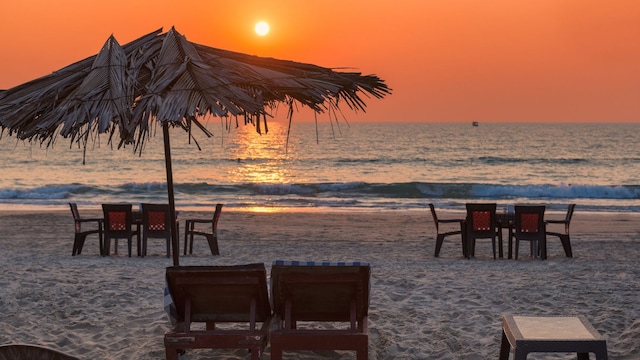
1/10Goa | While peak winter pushes beach resort rates to exorbitant highs from November through January, the shoulder periods of October and February through March offer pleasant coastal weather and water sports at a fraction of peak costs. During these transition months—as the coastline gears up in October or winds down smoothly after February—luxury boutique stays and beachside villas across North and South Goa lower room tariffs significantly, scooter rentals drop to standard base pricing, and uncrowded shores replace peak-season traffic jams. (Image source: Canva)
 2/10
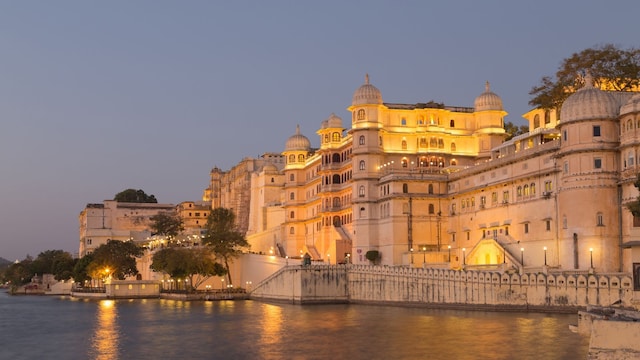
2/10Udaipur, Rajasthan | Known for luxury palace properties that command massive winter premiums between November and February, Udaipur enters an exceptionally affordable shoulder window between late August and early October, as well as in late February through March. Heritage havelis drop their rack rates considerably to attract domestic travellers before the winter wedding rush, while the surrounding Aravalli hills remain lush green from recent rains. (Image source: Canva)
 3/10
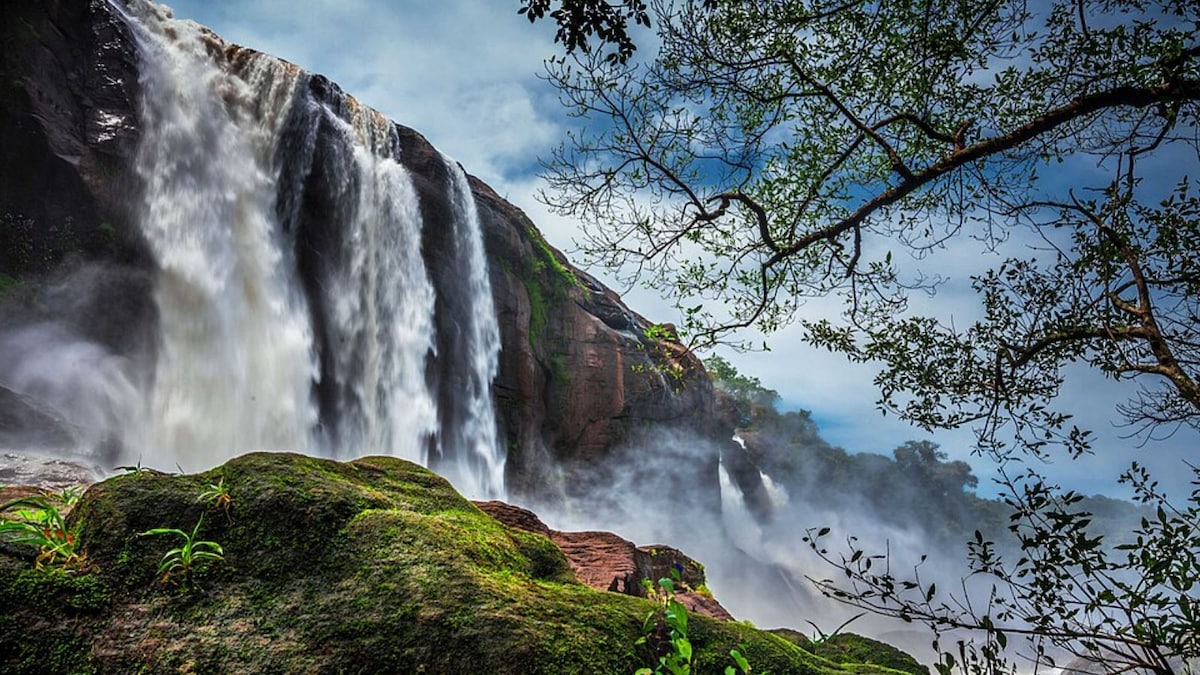
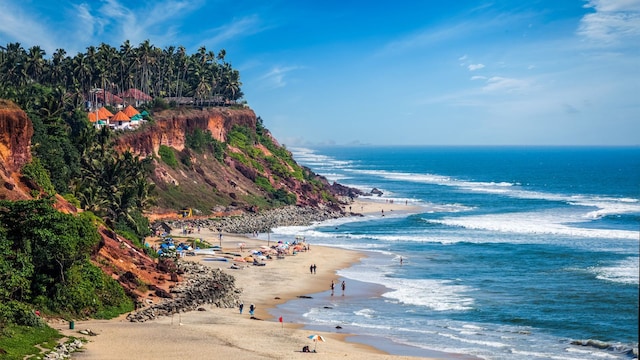
3/10Varkala, Kerala | This bohemian cliff-top haven in Thiruvananthapuram district experiences its peak tourist rush between November and January when international travellers arrive for winter wellness retreats, driving up cliffside accommodation prices. Visiting during the shoulder months of September to October or March to April allows travellers to book ocean-view cliff resorts and Ayurvedic packages at marked discounts, with calm seas and uncrowded access to Papanasam Beach. (Image source: Canva)
 4/10
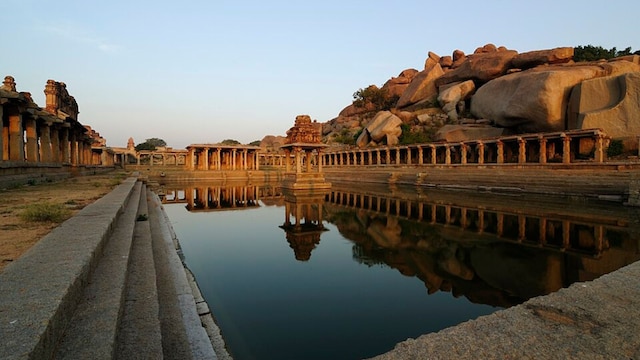
4/10Hampi, Karnataka | The UNESCO World Heritage boulder-scape of the Vijayanagara Empire draws massive winter crowds from November to January, but the early shoulder window of September to October offers discounted guesthouses and riverside heritage stays before peak tourist season. Visiting right after the monsoon means daytime temperatures remain moderate, the surrounding paddy fields across the Tungabhadra River are vibrant green, and travellers can explore complex temple architecture without jostling through tour buses. (Image source: Wikimedia Commons)
 5/10
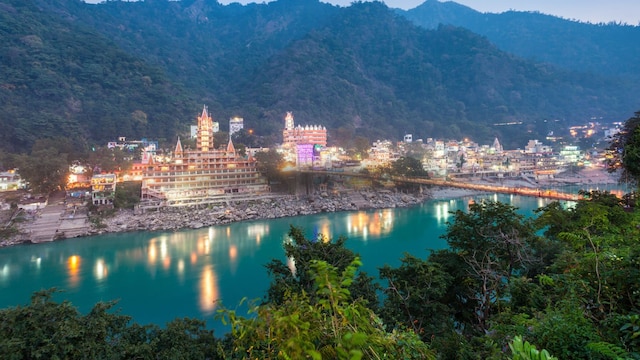
5/10Rishikesh, Uttarakhand | Rishikesh experiences heavy surges during the summer pilgrimage season and winter wellness peaks, making September to October and mid-February to March prime shoulder windows for budget-conscious adventure travellers. During late September and October, white-water river rafting on the Ganga officially resumes with clear waters and high currents, yet riverside luxury camps and yoga retreats along Tapovan and Shivpuri charge noticeably lower base rates compared to peak holiday weeks. (Image source: Canva)
 6/10
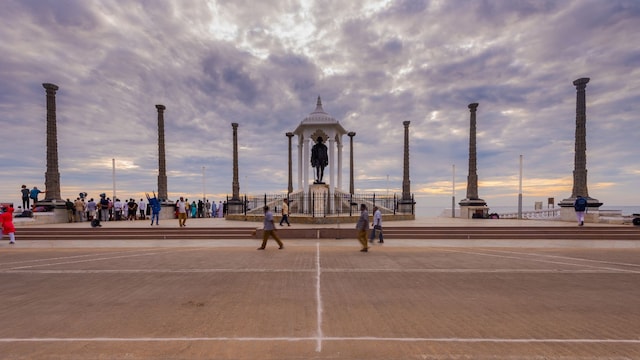
6/10Puducherry | After the peak December–January holiday surge when French Quarter boutique hotels charge premium rates, Puducherry enters an ideal shoulder season from February through early April, and again in late August to September. During these months, the weather remains breezy along the Promenade Beach, colonial villa hotels in White Town offer attractive promotional tariffs, and cafe wait times disappear completely. (Image source: Canva)
 7/10
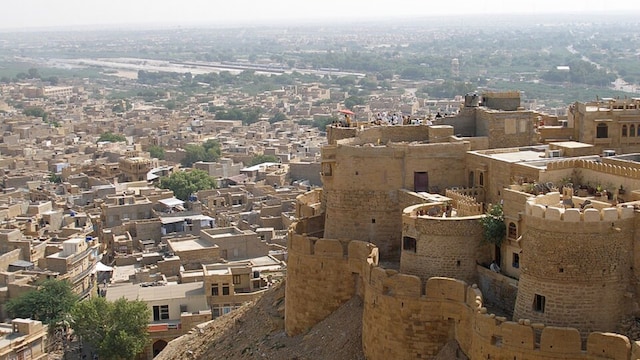
7/10Jaisalmer, Rajasthan | Winter luxury desert camping in the Thar Desert often carries steep price tags from November to January, but visiting during the shoulder windows of late September to October or late February through March yields luxury for a bargain. During these bridge months, temperatures during morning fort walks and late-afternoon dune safaris remain comfortable, while Sam and Khuri desert luxury glamping sites offer early-bird packages at steep reductions before peak festival rates set in. (Image source: Wikimedia Commons)
 8/10
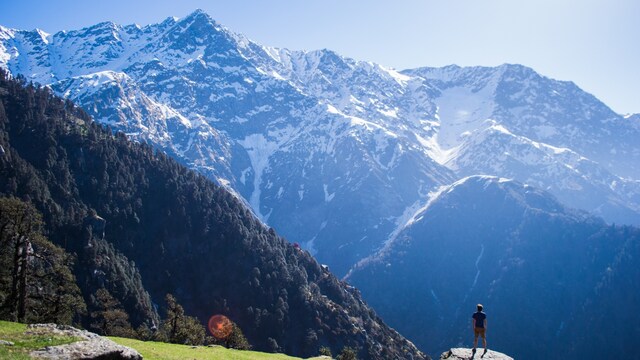
8/10McLeod Ganj & Dharamshala, Himachal Pradesh | Nestled in the Kangra Valley beneath the Dhauladhar Range, this Tibetan cultural hub charges peak rates during the summer plains-escape rush (May–June) and year-end snow holidays. The post-monsoon shoulder window of late September to October brings crystal-clear panoramic views of snow-dusted peaks, dry trekking conditions along the famous Triund trail, and discounted off-peak rates across boutique stays and cafes in Upper Dharamshala.
 9/10
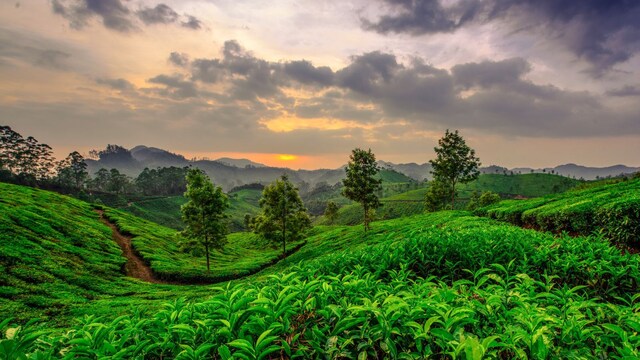
9/10Munnar, Kerala | High-altitude tea estates and mountain resorts in Idukki district experience heavy tourist density from November to January, but the pre-summer shoulder window from February through March offers clear blue skies, crisp weather, and discounted room tariffs. During this phase, tea plantations remain lush and misty, daytime temperatures are ideal for outdoor plantation treks, and upscale estate bungalows provide substantial markdowns before domestic summer vacation crowds arrive. (Image source: Canva)
 10/10
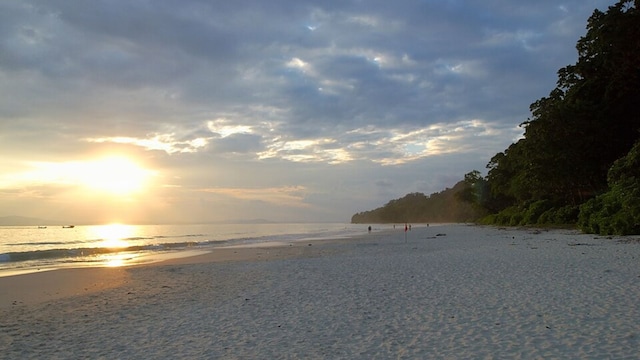
10/10Havelock Island (Swaraj Dweep), Andaman & Nicobar Islands | Peak tropical tourism on the Andaman Islands spikes between November and February, driving luxury beachside cabanas and private transfers to premium rates. The shoulder window from October to early November—right as post-monsoon ferry operations stabilise and oceanic visibility clears for scuba diving—sees beachfront resorts along Radhanagar and Vijaynagar beaches offer introductory promotional pricing before high-season rates kick in. (Image source: Wikimedia Commons)