
As India prepares to celebrate Independence Day on August 15, its historic forts offer a glimpse into the country’s long and diverse past. From Mughal…

 1/10
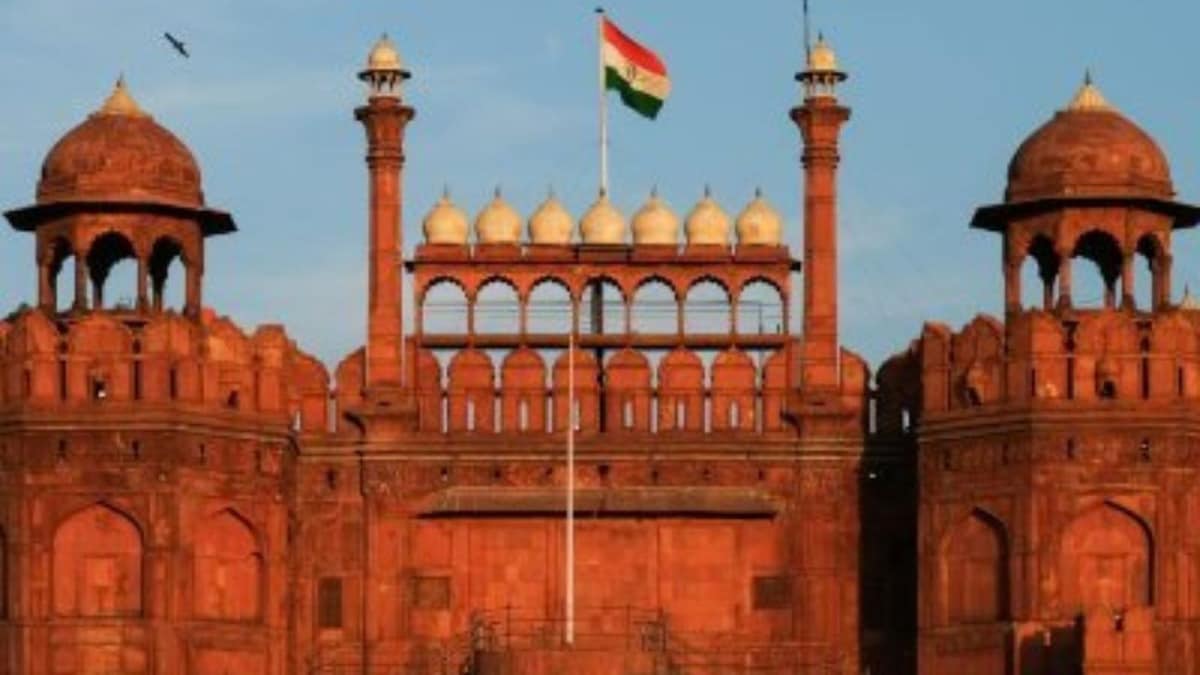
1/101. Red Fort, Delhi: From Mughal power to Independence Day symbol | The Red Fort is one of the most important landmarks in India’s modern history. Mughal emperor Shah Jahan built it in the 17th century as the main residence of the Mughal rulers in Delhi. After the British took control of Delhi, the fort was used as a military centre. On August 15, 1947, India’s first Prime Minister Jawaharlal Nehru hoisted the national flag at the Red Fort. The Prime Minister has continued the tradition with the annual Independence Day address from the fort.
 2/10
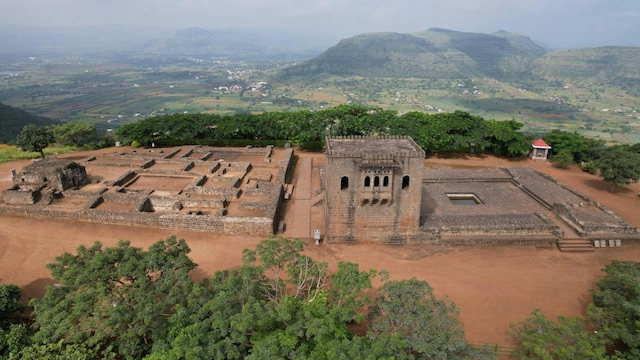
2/102. Raigad Fort, Maharashtra: The seat of the Maratha Empire | Raigad Fort became the capital of the Maratha Empire under Chhatrapati Shivaji Maharaj. Located in the Sahyadri mountains, the fort was developed as an important administrative and military centre. Shivaji Maharaj’s coronation took place at Raigad in 1674. The fort remains closely associated with the rise of Maratha power in western India. (Image: Canva)
 3/10
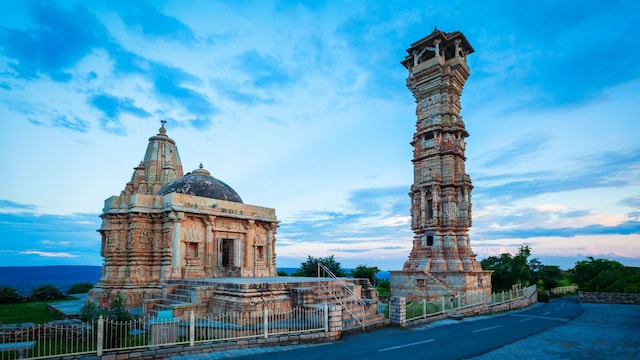
3/103. Chittorgarh Fort, Rajasthan: A centre of Rajput history | Chittorgarh Fort is closely linked with the history of the Mewar kingdom and the Sisodia Rajputs. The fort witnessed several major battles and sieges over the centuries. Its large complex includes palaces, temples and towers that reflect the political and cultural life of the Rajput kingdom. The fort is also remembered for the resistance offered during the sieges of Chittorgarh. (Image: Canva)
 4/10
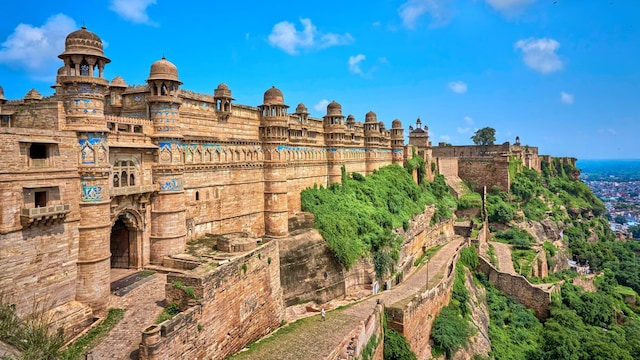
4/104. Gwalior Fort, Madhya Pradesh: A stronghold through changing rule | Gwalior Fort has witnessed the rule of several dynasties and powers. The Tomar rulers built important structures including the Man Mandir Palace, while the fort later came under the Mughals and Marathas. It also became part of the events of the 1857 uprising. Rani Lakshmibai fought in Gwalior during the final phase of the revolt before she died in 1858. (Image: Canva)
 5/10
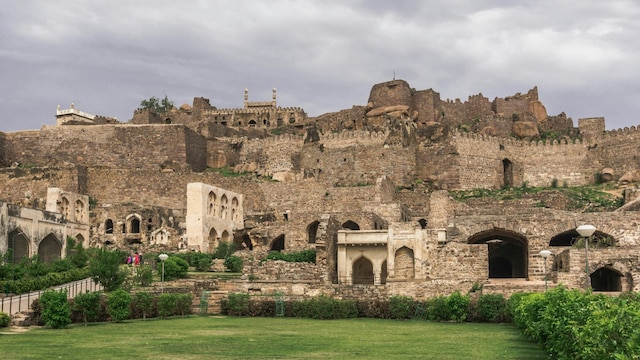
5/105. Golconda Fort, Telangana: The rise and fall of the Qutb Shahi kingdom | Golconda Fort began as an early fortification and was later expanded under different rulers. It became the capital of the Qutb Shahi dynasty and developed into an important centre of political and economic activity in the Deccan. The fort was captured by Mughal emperor Aurangzeb in 1687, bringing Qutb Shahi rule to an end. (Image: Canva)
 6/10
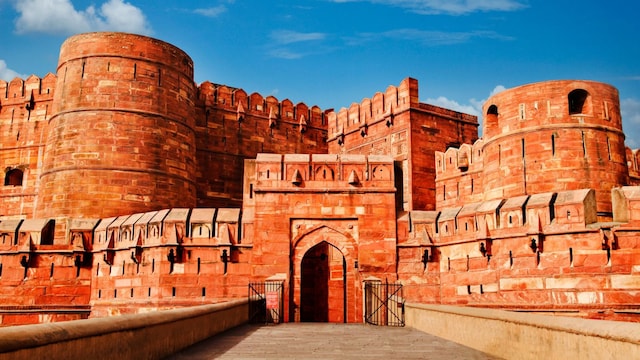
6/106. Agra Fort, Uttar Pradesh: A centre of Mughal power | Agra Fort was one of the main centres of the Mughal Empire. Emperor Akbar began rebuilding the fort in red sandstone in the 16th century, and later Mughal rulers added palaces, halls and other structures. The fort was an important royal residence and administrative centre during the Mughal period. It also witnessed the final years of Shah Jahan, who was confined there by his son Aurangzeb. (Image: Canva)
 7/10
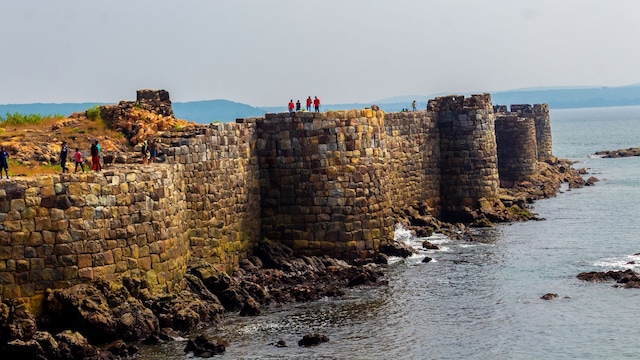
7/107. Sindhudurg Fort, Maharashtra: Maratha power on the coast | Sindhudurg Fort was built by Chhatrapati Shivaji Maharaj in the 17th century on an island off the Malvan coast. Its location and strong walls were designed to protect the Konkan coast and strengthen Maratha naval defence. The fort reflects the importance of control over the Arabian Sea during the rise of Maratha power. (Image: Shutterstock)
 8/10
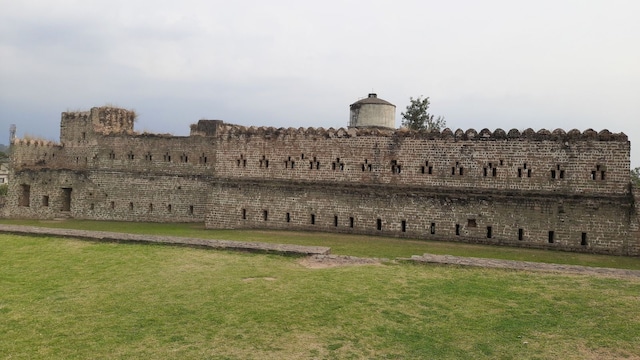
8/108. Kangra Fort, Himachal Pradesh: A stronghold in the Himalayas | Kangra Fort is associated with the Katoch dynasty and has a long history of battles and changing rulers. Its strategic location in the Kangra valley made it an important target for different powers. The fort faced attacks from Mahmud of Ghazni, the Mughals and later other regional powers. Its history reflects the political struggles around one of the important routes into the Himalayan region. (Image: Shutterstock)
 9/10
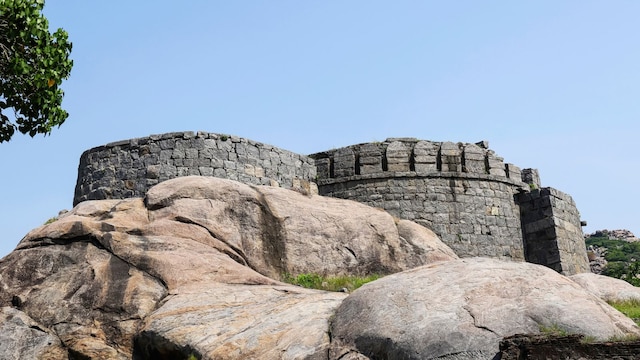
9/109. Gingee Fort, Tamil Nadu: A strategic stronghold in South India | Gingee Fort is spread across three hills and was built and expanded by different ruling powers over the centuries. It was associated with the Nayaks and later came under the Marathas, Mughals, French and British. Its natural setting, walls and defensive structures made it one of the important military strongholds of southern India. (Image: Canva)
 10/10
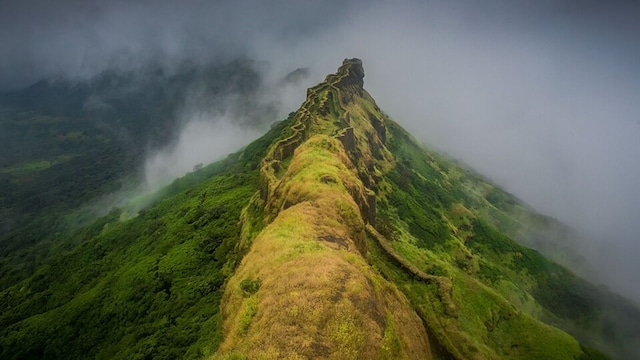
10/1010. Rajgad Fort, Maharashtra: An early base of Maratha power | Rajgad was an important stronghold during the early expansion of the Maratha Empire. Chhatrapati Shivaji Maharaj captured the fort in 1647 and developed it into a major centre of administration and military activity. It served as the Maratha capital for more than two decades before the capital was shifted to Raigad. Rajgad therefore represents an important phase in the early growth of Maratha power. (Image: Canva)