
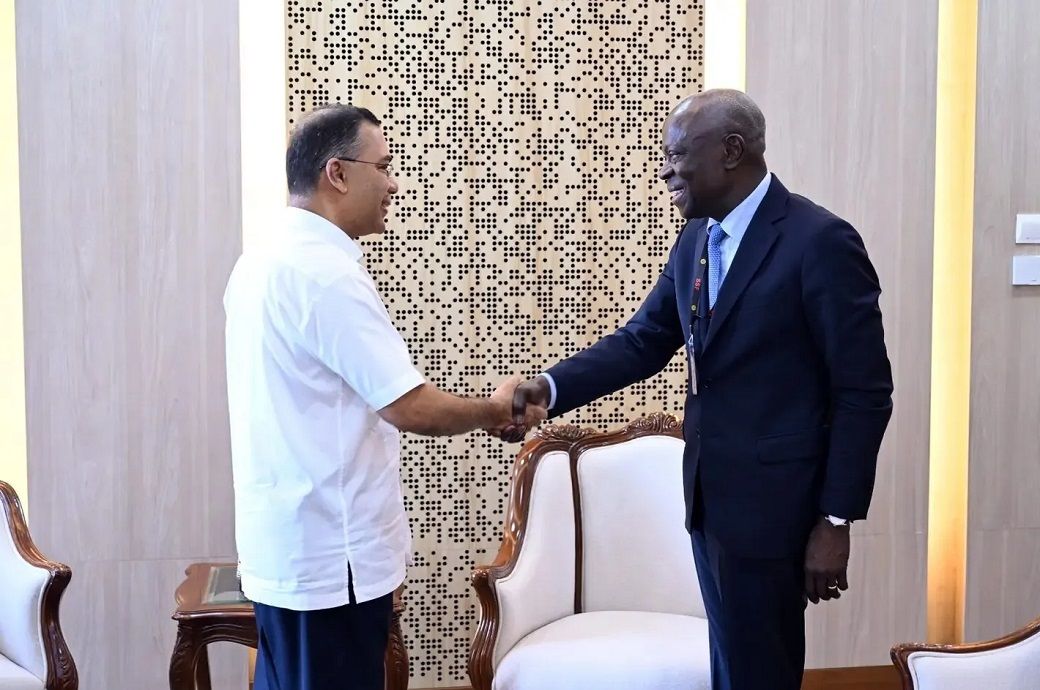
The discussions covered labour law reform, social dialogue, job creation and social protection, with relevance for ready-made garment exporters and factory operators monitoring labour compliance and workplace systems in Bangladesh.
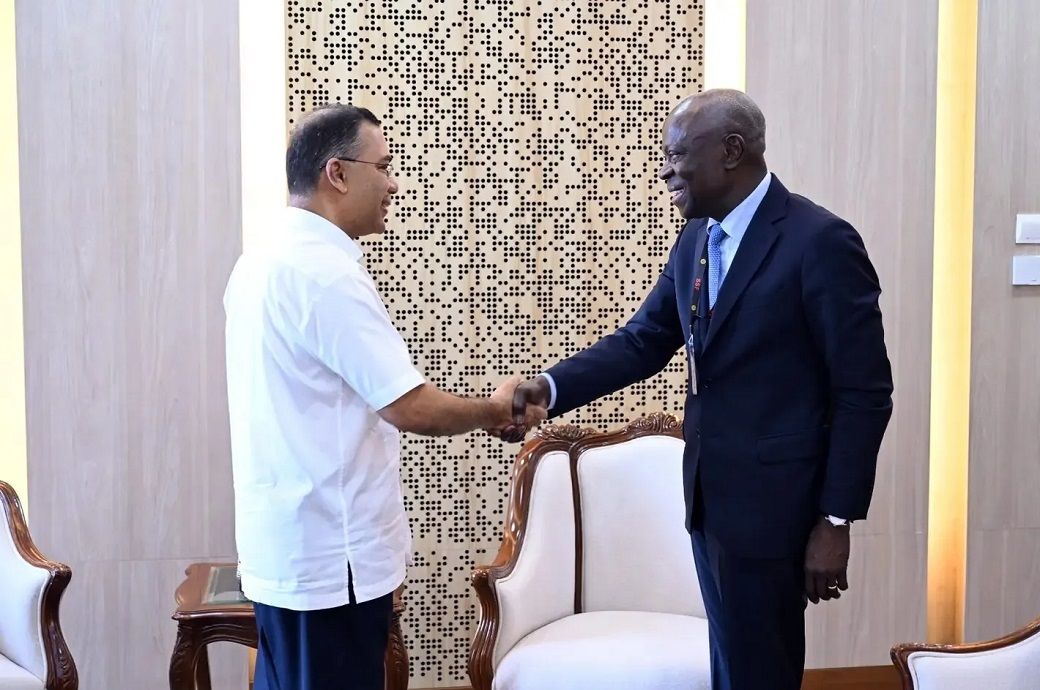
ILO chief Gilbert F Houngbo held high-level talks in Bangladesh on labour law reform, social dialogue, job creation and social protection.
The agenda matters for apparel exporters and factory operators tracking compliance in the ready-made garment sector.
Bangladesh’s labour complaint is set to return to the ILO Governing Body in March 2027.
The two-day visit came as Bangladesh strengthens its labour framework, prepares for transition from least developed country (LDC) to developing country status, and invests in economic growth aimed at creating greater opportunities for workers and enterprises, the ILO said in a press release.
The visit follows Bangladesh’s ratification of three conventions in November 2025, making it the first country in Asia to have ratified all ten ILO fundamental conventions.
In April 2026, Bangladesh also amended its Labour Act with further measures to strengthen labour protections and institutions, as part of a government road map linked to a longstanding labour-related complaint due to return to the ILO Governing Body in March 2027.
Gilbert F Houngbo, director-general, International Labour Organization said, “Bangladesh’s recent reforms send a clear signal of intent, and the ILO remains fully committed to supporting the government, employers, and workers in turning this progress into lasting change. By ratifying all ten ILO fundamental Conventions and advancing social dialogue, the country has achieved measurable milestones. As Bangladesh prepares for its LDC transition, our shared priority is to build on this strong foundation together.”
During his meeting with Prime Minister Rahman, Houngbo discussed Bangladesh’s labour and employment priorities, including the government’s five-year development and reform framework, labour reforms and LDC transition.He also met the Minister and Secretary of the Ministry of Labour and Employment to review cooperation on labour administration, fundamental principles and rights at work, gender equality and labour market institutions.
The mission highlighted the need to align skills systems with labour market demand, expand opportunities for underserved groups and support enterprise-led job creation to boost productivity and promote decent work.
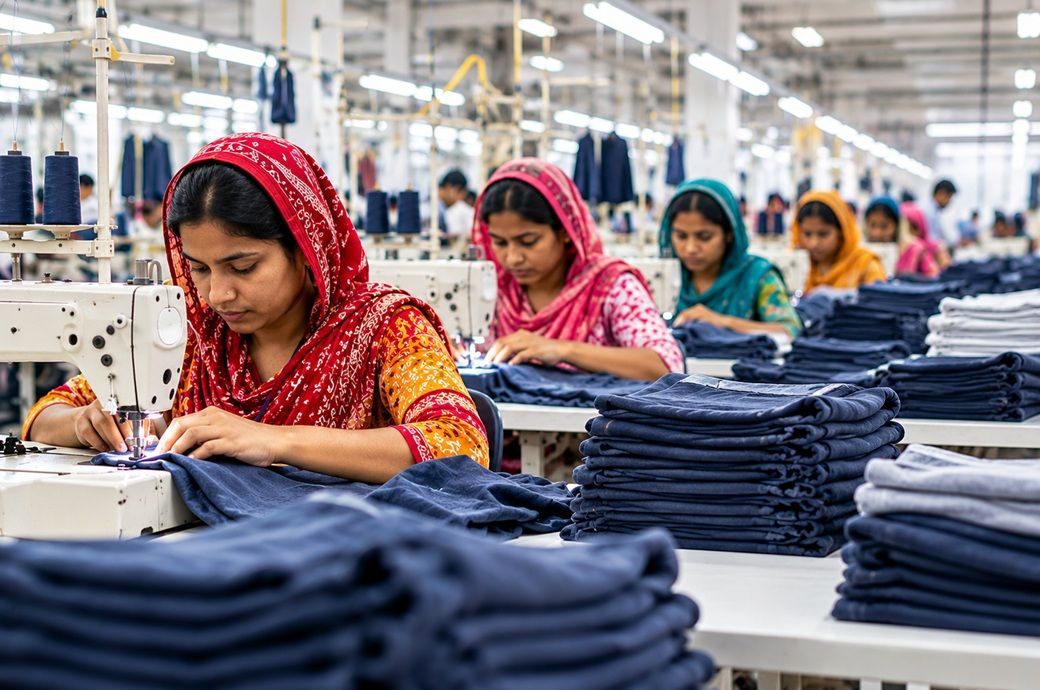
The ILO also recognised progress in Bangladesh’s ready-made garment (RMG) sector through the ILO-IFC Better Work programme, which supports factories and sector partners in improving labour compliance, management systems and grievance mechanisms.
Houngbo met trade union leaders, including representatives of the National Coordination Committee for Workers’ Education, and the president and general secretary of the Bangladesh Employers’ Federation. He also met the executive chairperson of the Bangladesh Export Processing Zone Authority to discuss labour standards in export processing zones.
Bangladesh’s next stage of development will require stronger labour laws, institutions and social dialogue so economic transformation translates into productive employment, stronger protections and sustainable opportunities for workers and enterprises, the ILO mentioned.
Fibre2Fashion News Desk