
Monsoon is the perfect time to explore UNESCO World Heritage Sites that come alive with lush greenery, roaring waterfalls, and rich biodiversity. From…

 1/10
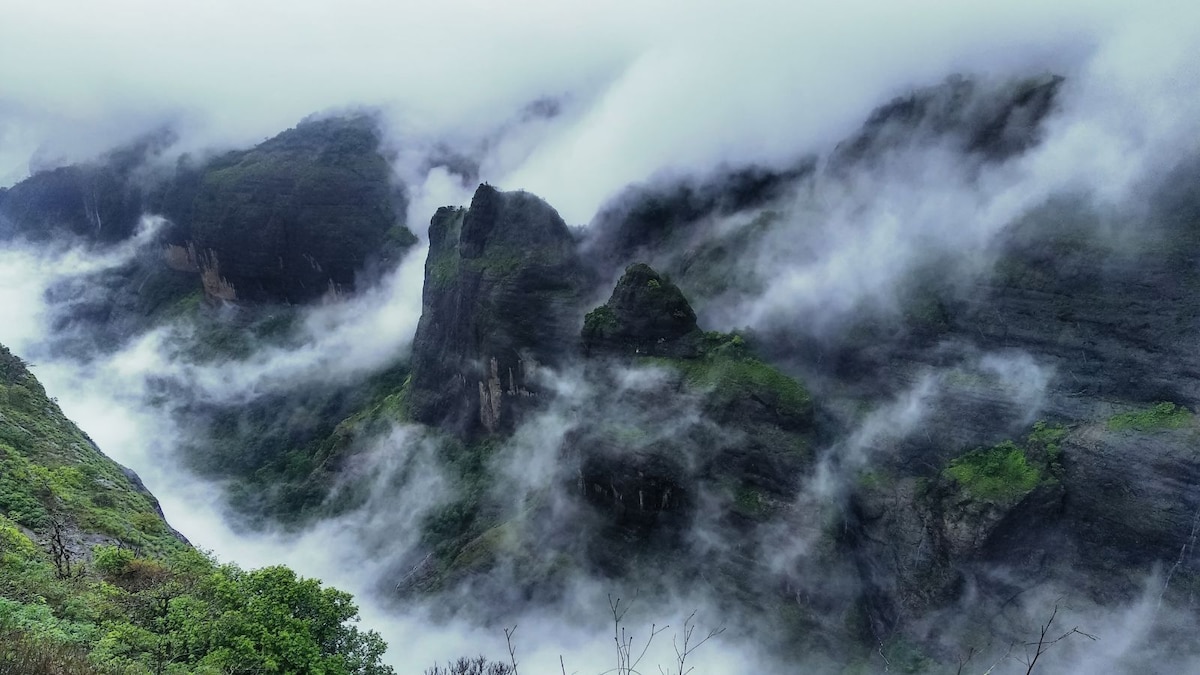
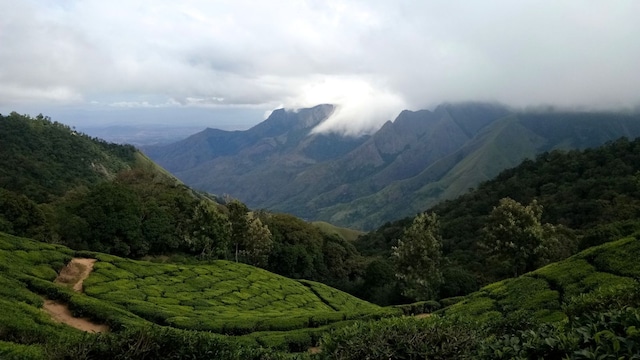
1/101. Western Ghats, India: Stretching across the states of Maharashtra, Karnataka, Kerala, and Tamil Nadu, this ancient biodiversity hotspot turns exceptionally lush in monsoon. The cascading waterfalls, dense forests, and rare endemic species make this place a must-visit during monsoon. (Image: Canva)
 2/10
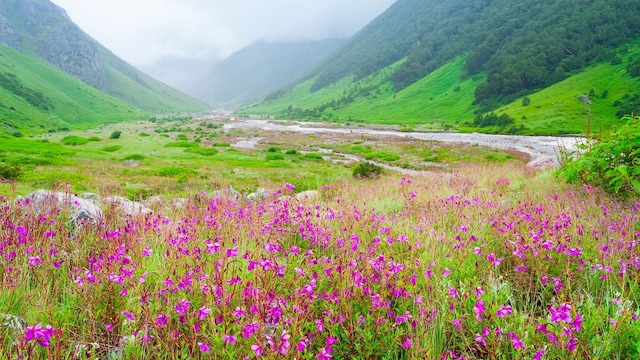
2/102. Valley of Flowers, India: Located in the Garhwal Himalayas, this high-altitude meadow comes alive only during the monsoon and is open to the public for only four months. The rain transforms the valley into a vibrant canvas of rare Himalayan wildflowers, including blue poppies and brahmakamal, among others. (Image: Canva)
 3/10
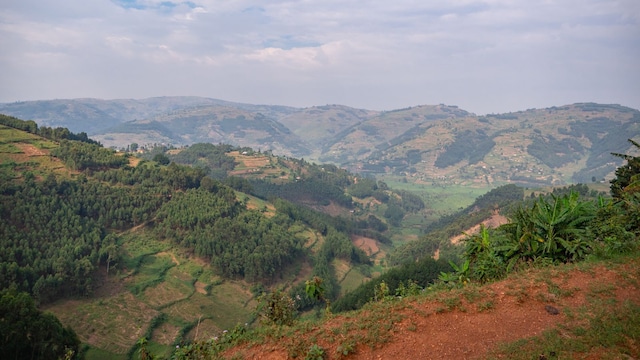
3/103. Bwindi Impenetrable National Park, Uganda: Located in Southwestern Uganda, this 25,000-year-old primaeval rainforest is famous for sheltering nearly half of the world’s mountain gorillas. During the rainy season, this place offers lush landscapes, fewer crowds, and abundant birdlife. (Image: Canva)
 4/10
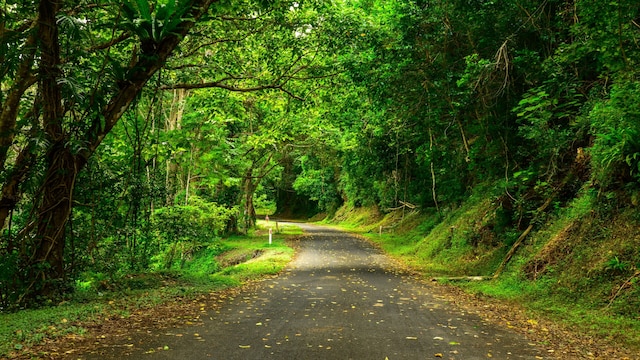
4/104. Wet Tropics of Queensland, Australia: The Wet Tropics of Queensland span 900,000 hectares along Australia’s northeast coast between Townsville and Cooktown. This place is home to one of the oldest continuously surviving tropical rainforests on earth. During the tropical rainy season (November to April), this place transforms into a vibrant, misty spectacle of roaring waterfalls and lush jungle. (Image: Shutterstock)
 5/10
5/105. Sichuan Giant Panda Sanctuaries, China: During the monsoon rains, the world’s largest contiguous panda habitat looks beautiful as mist-shrouded peaks, lush bamboo forests, and swollen rivers come to life. During the rainy season, this UNESCO World Heritage site also offers dramatic atmospheric landscapes for deep nature exploration and wildlife photography. (Image: Canva)
 6/10
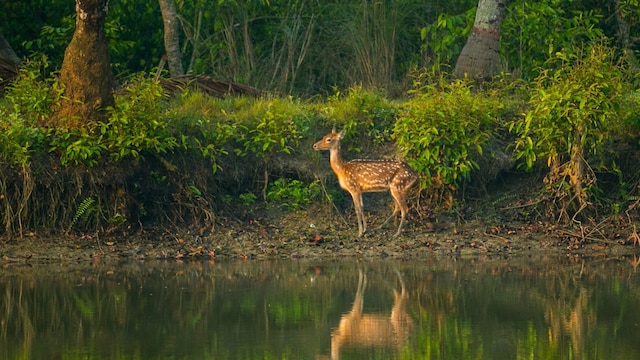
6/106. The Sundarbans, India: The tidal rains breathe a dramatic new life into the largest mangrove forest in the world. Located in the Ganges-Brahmaputra delta, the Sundarbans is best known as the habitat of the Royal Bengal tiger. During the monsoon, a massive population of migratory and resident waterfowl can be seen here. (Image: Canva)
 7/10
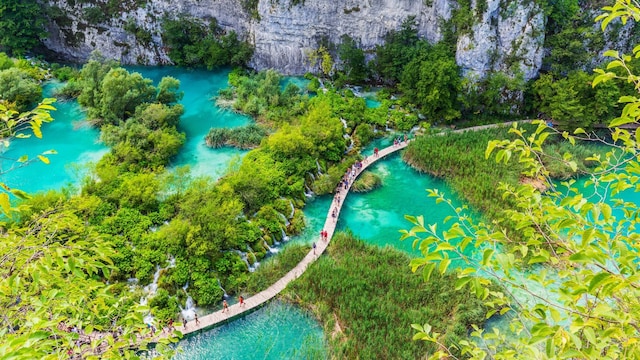
7/107. Plitvice Lakes National Park, Croatia: This UNESCO World Heritage site in Croatia combines 16 cascading turquoise lakes and 90+ waterfalls that swell dramatically in the rain. The mist and continuous pouring add a mystical and moody atmosphere to this pristine, lush mountainous space. (Image: Canva)
 8/10
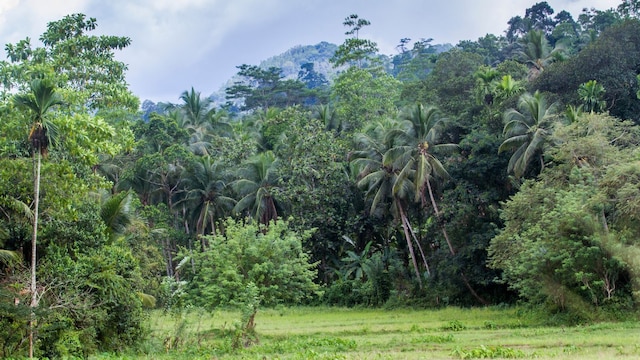
8/108. Sinharaja Forest Reserve, Sri Lanka: During the rainy season, this last viable primary tropical rainforest of Sri Lanka transforms into a vibrant, emerald-green paradise. From cascading waterfalls to blooming rare orchids and heightened wildlife activity, this place deserves a place in your monsoon getaway trip. (Image: Canva)
 9/10
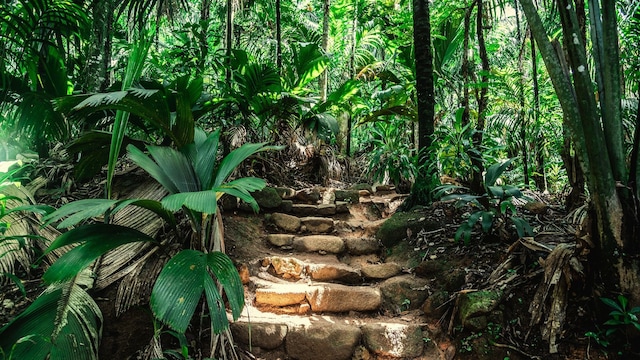
9/109. Vallee de Mai, Seychelles: Referred to as the “Garden of Eden”, this tiny, ancient primaeval palm forest on Praslin Island thrives in the tropics. During monsoon rainstorms, the giant leaves of the endemic Coco de Mer glisten and bring out a fresh, earthy vibrancy, making it a visit for all the nature lovers. (Image: Canva)
 10/10
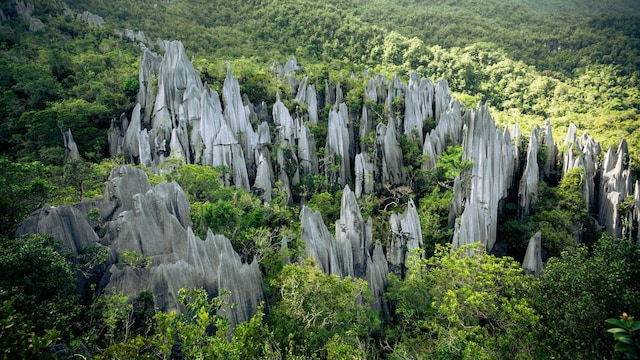
10/1010. Gunung Mulu National Park, Malaysia: Known for its incredible karst formations and massive cave networks, this Bornean UNESCO site is a highly lush tropical rainforest. Heavy seasonal rains feed the park’s lush greenery and drive powerful waterfalls inside the dense, untouched jungle. (Image: Canva)